
I remember the exact moment I realized my company’s mission statement was doing more harm than good. I thought I was inspiring my team and attracting the right clients, but instead, I was causing confusion and disconnect. It was like speaking a language nobody understood—not intentionally, but because I hadn’t truly considered how words impact perception.
Why Your Mission Statement Might Be Alienating Your Audience
Ever since I revamped my mission statement after that revelation, everything changed. To my surprise, a confusing or vague mission can undermine trust, hinder brand clarity, and even repel the very clients you’re trying to attract. According to a Harvard Business Review study, clear and concise messaging significantly boosts customer engagement. But here’s the catch—many businesses underestimate how this simple piece of communication can derail their branding efforts.
Do You Fear Your Mission Statement Isn’t Connecting?
When I first crafted my mission, I was fixated on sounding noble and aspirational. But I overlooked whether my audience could easily grasp my purpose. This mistake is common. We often focus on what we think sounds impressive, ignoring if it actually resonates. If this sounds familiar, you’re not alone. Many entrepreneurs struggle to translate their vision into language that truly connects. The good news? There’s a way to fix this.
In this post, I’ll walk you through how to craft a mission statement that clarifies your purpose, attracts the right audience, and amplifies your brand’s authenticity. By the end, you’ll understand exactly how to communicate your mission without the buzzwords and vague language that create confusion.
Before diving into the practical steps, consider this—have you ever received feedback that your message was misunderstood or lost in translation? If so, keep reading. You’re about to uncover the secrets to making your mission clear and compelling, so your audience not only listens but truly understands and engages.
Let’s get started by examining why many mission statements fail and how you can avoid common pitfalls to set a strong, authentic foundation for your brand.
Pinpoint Your Core Values
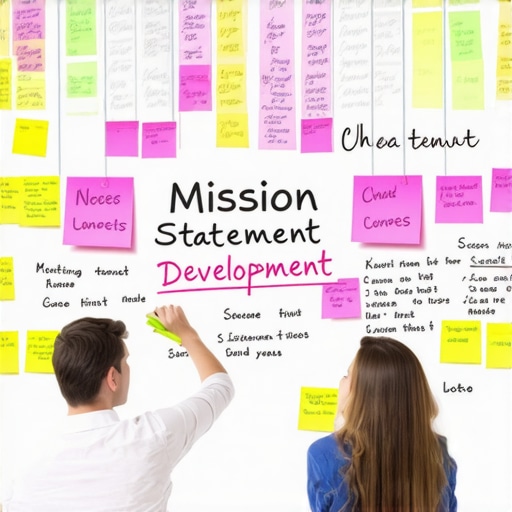
Start by identifying the fundamental beliefs that drive your business. Think of this as setting the foundation for a house; without it, the structure can crumble. I once sat down with my team and ran a workshop to list our most cherished principles. This exercise helped us see what genuinely matters, ensuring our mission statement reflects authentic intentions, not just buzzwords.
Translate Values into Clear Benefits
Transform abstract values into tangible benefits for your audience. For example, instead of saying “We provide quality,” specify “Our service ensures peace of mind through reliable delivery.” In my experience, I drafted a draft emphasizing transparent communication, then refined it to highlight how this benefits clients—leading to a mission that resonates more deeply.
Use Simple, Relatable Language
Avoid jargon and complex phrases—imagine explaining your mission to a friend. I once rewrote my mission statement to remove industry-specific terms, making it accessible to a broader audience. This approach boosted engagement and helped my team internalize our purpose more effectively.
Involve Your Team for Authenticity
Gather input from employees who interact with customers daily. Their insights reveal authentic customer pain points and aspirations. During a team meeting, I encouraged everyone to share what they believe our purpose is. Their feedback led to a more genuine, powerful mission statement that everyone owned.
Test and Refine Your Message
Share your draft with a select group of clients or stakeholders. Ask if it makes sense and if it truly communicates your purpose. I once sent out a survey after revising our mission, which flagged confusing parts. Iterating based on this feedback resulted in a statement that felt both authentic and effective.
Keep Refining for Clarity
Revisit and adjust your mission periodically as your business evolves. I learned this the hard way when a static mission became outdated. Regular reviews ensure your message remains relevant and compelling, much like staying current with web design trends for 2025.
Remember, Your Mission Defines You
Ultimately, crafting a clear and authentic mission statement is an ongoing process—much like tuning a musical instrument. It requires deliberate effort, feedback, and refinement. When done right, it becomes a beacon guiding your team and attracting the right clients, turning your mission from mere words into a powerful driving force for growth.
 Many believe that having a visually appealing website or investing heavily in trendy design elements automatically translates into higher conversions. However, in my experience, this is a misconception. For example, focusing solely on aesthetics without considering user experience can actually harm engagement, a nuance often overlooked by those chasing the latest design fads. In fact, according to a study by Nielsen Norman Group, users form impressions of credibility within milliseconds, emphasizing the importance of function over form.
When it comes to technical SEO, many think that simply optimizing keywords or adding meta tags suffices. But the real nuance is ensuring your site structure supports crawlability and indexation; otherwise, all your content efforts could be wasted. I’ve seen countless sites with perfect keywords yet buried deep in the site hierarchy, reducing their visibility—a mistake that can drastically hinder your organic traffic.
Pay-per-click advertising is another area where common myths persist. The prevailing belief is that higher bids guarantee top placement, but in reality, ad relevance and Quality Score play crucial roles in ad placement and cost efficiency. Overlooking these factors can lead to wasted ad spend. For instance, if your ad copy and landing page aren’t aligned with user intent, your Quality Score drops, increasing costs and reducing ROI. To truly maximize your PPC ROI, you should focus on crafting highly targeted, relevant ads and optimizing your landing pages accordingly. You can learn more about maximizing ROI with proven [PPC tactics](https://growthdigitalco.com/maximize-roi-with-these-proven-ppc-advertising-tactics).
When discussing branding, a frequent mistake is ignoring the power of consistent messaging across all channels. Many assume that branding is only about logos and colors, but it’s actually about maintaining a unified voice and story that resonate deeply with your audience. For example, an inconsistent tone can create confusion and diminish trust, especially in competitive markets like legal or health services. A strong brand presence built on consistent messaging helps in establishing authority and trustworthiness.
Have you ever fallen into this trap? Let me know in the comments. The key to success lies in understanding these subtle nuances—like aligning your site’s structure with SEO best practices, crafting relevant PPC campaigns, or maintaining a consistent brand voice—that can make or break your digital success.
Stay Ahead with Reliable Maintenance Tools
Maintaining a high-performing website requires the right tools to identify and resolve issues swiftly. I personally rely on Screaming Frog SEO Spider for in-depth site audits. Its ability to crawl entire websites uncovers broken links, duplicate content, and crawl errors, helping me keep technical SEO in check. Additionally, GTmetrix is indispensable for monitoring site speed and understanding performance bottlenecks, which is crucial for user experience and search rankings. Regularly running these audits ensures your site remains optimized and resilient against unexpected issues.
Advanced Monitoring for Long-Term Success
Implementing continuous monitoring prevents minor issues from escalating. I recommend setting up technical SEO monitoring tools that track crawl errors, server response times, and indexing status. For example, Google Search Console provides real-time insights straight from Google, alerting you to issues like indexation problems or security breaches. Integrating these tools into your routine allows for proactive maintenance, ensuring your site stays healthy and competitive over time.
Automate Repetitive Tasks with the Right Software
Automation saves time and minimizes human error. I’ve found that tools like Zapier can integrate various platforms to automate tasks such as backlink checks, content updates, and performance reports. For instance, setting up a workflow that automatically logs broken links detected by Screaming Frog into a spreadsheet streamlines maintenance efforts. Embracing automation ensures that your website upkeep becomes a seamless part of your workflow, freeing you to focus on strategic growth.
Prepare for Future Trends
As web technology evolves, so should your toolkit. I predict increased reliance on AI-driven diagnostics and real-time analytics, making maintenance more dynamic and insightful. Staying updated with emerging tools like AI-powered SEO analysis platforms will give you a competitive edge. Embracing these innovations now positions your website for sustainable success in the future.
How do I keep my website healthy over time?
Consistent audits using tools like Screaming Frog and GTmetrix are key. Schedule monthly scans to catch issues early, and implement automated alerts via monitoring platforms to stay informed. Remember, even the best tools require your oversight—regularly review reports and act promptly on findings. Integrating these practices into your routine can drastically reduce downtime and enhance your site’s longevity.
Don’t wait for problems to surface—start leveraging these advanced maintenance strategies today. For assistance with setting up comprehensive monitoring systems, reach out to me directly.

What My Journey Taught Me About Authenticity and Clarity
Throughout my experience, I’ve realized that the most valuable lessons often come from the mistakes we’ve made and the insights gained from them. One lightbulb moment was understanding that my best efforts could backfire if I overlooked genuine communication. Authenticity isn’t just a buzzword; it’s the cornerstone of a compelling brand and effective digital presence.
Another lesson was how critical ongoing refinement is. Your website, branding, and SEO strategies are living entities that need regular updates to stay relevant and impactful. Embracing this continuous improvement mindset has transformed how I approach my work, favoring depth and authenticity over quick fixes.
Lastly, I learned that tools and strategies are only as good as the intention behind them. Whether implementing technical SEO or crafting PPC campaigns, staying aligned with your core values and audience needs makes all the difference. These realizations have shaped my approach to helping others succeed online.
Tools That Transformed My Approach to Digital Success
My go-to toolkit includes Screaming Frog SEO Spider for comprehensive site audits, which helps me catch issues before they become costly. GTmetrix remains indispensable for monitoring site speed—crucial for both user experience and SEO rankings. For advanced monitoring, I rely on Google Search Console, which offers real-time insights straight from Google. Combining these tools streamlines maintenance workflows and ensures my website consistently performs at its best. Additionally, I recommend exploring branding resources that emphasize consistency across channels, reinforcing your identity and trustworthiness.
Your Next Step: Embark on Continuous Growth
Your journey in web design, branding, and technical SEO is ongoing. Embrace the process of learning, testing, and refining, knowing that each small improvement builds toward long-term success. Remember, the digital landscape constantly evolves—staying adaptable and curious will keep you ahead of the curve. What’s one change you’re excited to try today? Share your thoughts below and let’s grow together!