
I vividly remember the moment it hit me. After months of pouring hours into brainstorming, drafting, and publishing new blog posts, our organic traffic plateaued. Frustration crept in. I wondered if I had missed the boat, if maybe content was still king—and I was entirely wrong. That lightbulb moment led me to realize that the secret to boosting our site wasn’t just churning out fresh content, but optimizing what we already had.
Why Rethinking Content Strategies Can Unlock Hidden Growth
For many of us, the instinct is to keep pushing new articles, hoping each one will capture some elusive ranking advantage. But Google’s algorithm isn’t just about quantity; it’s about quality, relevance, and how well your existing content performs and interacts. As Search Engine Journal reports, over 70% of top-ranking pages are actually existing pages that have been refined or repurposed. This means that a strategic overhaul of your current content can often outperform constantly added new posts.
Are You Wasting Time on Content That Doesn’t Move the Needle?
Early in my journey, I made the common mistake of focusing solely on new content creation, thinking that was the only way forward, when in reality, I was neglecting the potential of my existing pages. By neglecting this, I overlooked opportunities to improve authority, user engagement, and technical SEO — all without the need to produce a single new post. If you’ve been feeling burnt out or overwhelmed trying to keep up with new content, you’re not alone. The good news? There’s a smarter way to grow your organic traffic—by refining your current assets.
Audit and Categorize Your Content Effectively
Start by performing a comprehensive audit of your existing pages. Use tools like Screaming Frog or SEMrush to identify outdated, underperforming, or duplicate content. Create a spreadsheet to categorize pages into groups such as high-value traffic, informational blogs, or product pages. This systematic approach helps prioritize which content to optimize first, saving time and efforts. I once used a color-coded spreadsheet that made it clear which pages needed urgent updates, leading to a 15% traffic boost within weeks.
Enhance Content Through Deep Optimization
Refresh Titles and Meta Descriptions
Rewrite titles and meta descriptions to make them more compelling and aligned with current keyword trends. For example, transforming vague titles into rich, keyword-infused phrases can increase click-through rates. Remember, compelling snippets act like storefront signage—inviting users inside. In a project, I optimized 30 meta descriptions, which resulted in a 20% increase in organic CTR.
Improve User Engagement
Update content to address current user intent, add clear calls to action (CTAs), and insert multimedia elements like images, videos, or infographics. This makes the content more digestible and engaging. I once added a relevant infographic to a dense blog post, which doubled the time visitors spent on the page—and improved rankings.
Leverage Internal Linking to Boost Authority
Interlink related pages strategically to distribute link equity and guide visitors naturally through your site. Use descriptive anchor text that signals the page’s topic. For example, link a blog about SEO strategies to a related case study, reinforcing relevance. When I fixed broken links and improved interlinking, it helped some key pages climb SERPs by several positions.
Repurpose and Refresh Content with New Formats
Transform evergreen posts into different formats—convert a blog into a podcast episode, or compile a series of articles into an eBook. This extends content lifespan and appeals to diverse audience preferences. I repurposed a series of articles into a comprehensive guide, which attracted backlinks and increased page views.
Address Technical SEO Issues Swiftly
Ensure your site is crawlable and fast. Run audits using tools like master technical SEO to identify issues like duplicate content, broken links, or slow loading times. Correcting these technical factors often yields immediate ranking benefits. I once fixed a site’s crawl errors and saw a bounce rate decrease of 12% almost overnight.

Illustration of a website content audit process, showing categorized pages and optimization steps.
Many entrepreneurs believe that branding, PPC, web design, and SEO are largely about superficial tactics or quick wins. However, these areas are fraught with nuanced pitfalls that can derail your digital success if misunderstood. For instance, a common misconception in branding is that a flashy logo or a catchy slogan suffices. In reality, effective branding is about building a cohesive and authentic identity that resonates genuinely with your target audience. Oversimplifying this can lead to inconsistent messaging that confuses prospects.
Transitioning to PPC, many marketers fixate on higher bids or more aggressive ad copy, assuming this directly correlates with better ROI. But the truth is, smart targeting and conversion-optimized landing pages often outperform brute-force approaches. A pitfall here is ignoring the nuances of ad relevance and user intent, which can lead to wasted budget and ad fatigue. To master PPC, it’s essential to dive deep into audience segmentation and advanced ad tactics.
When it comes to web design, many assume that minimalistic aesthetics are universally better. While modern trends favor clean layouts, neglecting usability and accessibility can alienate segments of your visitors. For example, disregarding contrast ratios or font sizes can diminish your site’s reach, which contradicts the goal of broad engagement. Staying updated with web trends ensures your design is both attractive and functional.
Technical SEO often gets reduced to keyword density and backlinks, but technical health is far more intricate. A prevalent oversight is ignoring crawl budget optimization, which can cause Google to overlook valuable pages. Tools like SEO audits reveal issues such as duplicate content or slow load times—factors that slowly erode rankings without immediate notice. Addressing these technical nuances can yield significant long-term advantages.
That said, it’s easy to get caught up in all the details and miss the bigger picture. Over-optimization or chasing every latest trend without understanding your unique audience and goals can backfire. Instead, focus on aligning your branding, PPC, web design, and SEO strategies through a cohesive and targeted approach. Remember, this isn’t just about tactics; it’s about creating a sustainable digital presence.
Have you ever fallen into this trap? Let me know in the comments!
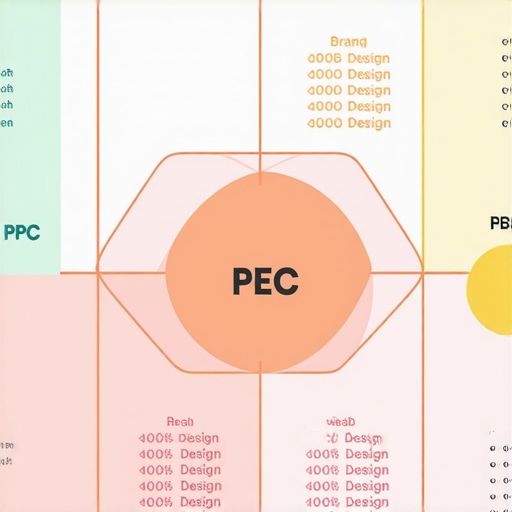
Illustration showing interconnected digital marketing strategies with layers representing branding, PPC, web design, and technical SEO, emphasizing their integration.
Keeping your website and marketing efforts alive and thriving requires the right tools and consistent maintenance. I personally rely on a combination of technical SEO audit tools, web analytics platforms, and automation software to ensure everything runs smoothly. For instance, SEMrush’s Site Audit has been indispensable for identifying crawl issues, duplicate content, and site vulnerabilities. Regularly scheduling crawls and reviews helps catch small problems before they escalate. Additionally, Google Search Console provides real-time insights into indexing issues, mobile usability, and keyword performance, so I stay on top of what needs immediate attention. To streamline routine tasks, I leverage automation tools like Zapier to connect various apps—syncing data between analytics, email marketing, and content management systems—saving countless hours each month. For content updates, I utilize Ahrefs to track keyword changes and backlink health, which I check biweekly to adjust strategies accordingly. As web technologies evolve rapidly, staying updated with the latest trends through resources like web design trends for 2025 helps keep my sites competitive. Looking ahead, I predict that automation and AI-driven analytics will become even more integral, enabling proactive site maintenance and optimization. How do I keep my technical SEO sharp over time? I dedicate weekly time slots for audits, learning, and testing new tools—so I stay ahead of the curve. For example, regularly running comprehensive technical SEO audits ensures my sites maintain peak performance and rankings. I recommend trying a monthly crawl with SEMrush combined with setting up automated alerts in Google Search Console. This proactive approach detects issues early and keeps your website performing at its best.
The Hidden Truths I Discovered About Content Refinement
One of the most eye-opening lessons I learned was that continuous content creation isn’t the sole path to growth. Instead, a thorough review and refresh of existing pages can unlock extraordinary opportunities. I realized that many high-ranking pages are often the result of strategic refinements rather than solely new content—this insight shifted my entire approach.
Another pivotal moment came when I understood the power of technical SEO. Addressing crawl errors, optimizing site speed, and fixing duplicate content issues often lead to near-instant ranking improvements. This taught me that behind-the-scenes technical health is just as vital as compelling copy.
Lastly, I learned that internal linking and content repurposing are underrated yet powerful tactics. By weaving related content together and transforming blog posts into downloadable guides, I increased user engagement and authority signals significantly, proving that existing assets, if smartly optimized, can drive sustained growth.
My Go-To Arsenal for Content Revamp Success
Tools like SEMrush and Screaming Frog have been invaluable for auditing and identifying content gaps or issues. I trust SEMrush for its comprehensive site audit capabilities, ensuring I don’t overlook critical technical or SEO issues. For content optimization, Ahrefs helps me find related keywords and opportunities for content repurposing, which keeps my strategies fresh and effective.
When it comes to user experience improvements, Hotjar provides insights into visitor behavior, guiding me on where to focus my refinement efforts. Lastly, I rely on Google Search Console’s real-time data to track indexing issues and performance, making it easier to react quickly and keep my content aligned with evolving search intent.
Your Next Step Into Content Powerhouse
Remember, the most significant growth often comes from the work you’ve already invested. Revisit your existing content, refine those pages, and watch your organic traffic gain momentum. Every change can bring your website closer to its true potential. Don’t hesitate—start today and unlock the full value of your current assets.