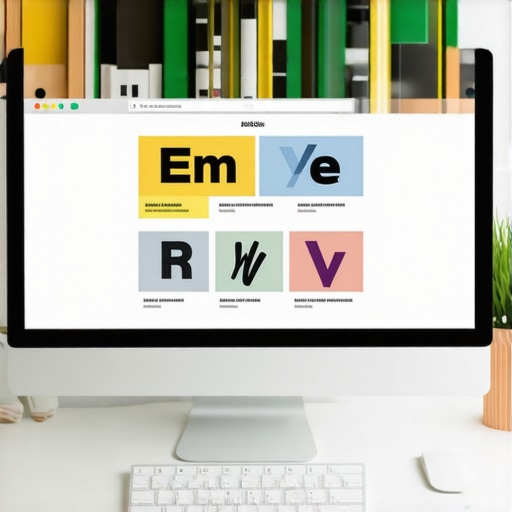
I remember the moment I realized my website was turning visitors away—not because of terrible content, but because of something as simple as how my text looked. It felt like a slap in the face; I’d been pouring effort into strategy, SEO, and design, yet a tiny, overlooked detail was sabotaging everything: typography. Ever faced that gut-wrenching feeling where your site’s look undermines your credibility? Trust me, I’ve been there.
Typography might seem like a small detail, but it has a massive impact on how visitors perceive and engage with your brand. A poor choice can make your site look unprofessional, diminishing trust and conversions. The good news? Once I pinpointed and fixed these issues, my bounce rate plummeted and user engagement soared. Today, I promise to reveal the common typography mistakes that subtly sabotage your site and show you how to avoid them.
Why Your Typography Might Be Sabotaging Your Website’s Success
Think about it—when was the last time you stayed on a website because the font was just so easy to read and visually pleasing? Probably not often enough. Your typography sets the tone, builds trust, and guides users through your content. Yet many website owners unknowingly fall into common traps that make their sites look amateurish.
Early on, I made a big mistake—using too many different fonts. It seemed harmless at first, but I didn’t realize how chaotic and unprofessional it looked until I got feedback from a few visitors. This is surprisingly common; studies show that inconsistent typography can reduce readability by over 50% (source: Growth Digital Co), directly impacting user engagement and trust.
In this post, we’ll explore the top five typography choices that damage credibility and how to instantly correct them. Whether you’re starting fresh or refining your existing site, these insights will help you project professionalism and improve user experience with minimal effort. Ready to make your site look as trustworthy as it deserves? Let’s begin.
Is Overusing Fonts Actually Breaking Your Site’s Look?
Honestly, I used to think that adding more fonts would make my website more dynamic. Instead, it just created confusion. It took me a while to realize that consistency is key. If you’re worried about whether your typography choices are holding you back, you’re not alone. The good news? You can fix these issues without redesigning your entire site, just by making smarter font decisions. Want to get serious? Check out branding guides for more tips on creating a cohesive visual identity.
Start with Consistency in Font Choices
When I revamped my site, I initially used multiple fonts to create variety, but it only resulted in visual chaos. To fix this, choose no more than two complementary fonts—one for headings and one for body text. Use tools like Google Fonts to pick readable, web-safe options. I tested a serif font for headings and a sans-serif for paragraphs, which improved clarity. Consistency across pages reinforces your brand identity and helps users navigate intuitively.
Narrow Down Your Font Sizes and Styles
Guess what? A common mistake is using erratic font sizes—big headlines next to tiny footnotes. I settled on a clear hierarchy: H1s at 32px, H2s at 24px, and body at 16px. Avoid using too many font weights or styles; stick to regular, bold, and italics selectively. This structure guides readers naturally and enhances readability—think of it as a well-organized bookshelf rather than a cluttered closet.
Optimize Line Length and Spacing
Ever tried reading a line of text that’s too long or too cramped? I once had a blog with 80-character lines, which strained the eyes. I adjusted my CSS to limit line length to 45-75 characters and set line-height at 1.5. Proper spacing prevents reader fatigue and makes your content inviting. It’s like designing a spacious room—ample space makes everything easier to see and enjoy.
Implement Color and Contrast Wisely
At first, I used dark text on a dark background for a trendy look, but visitors complained about readability. Use high contrast between text and background—black on white remains the gold standard. For emphasis, choose a subtle accent color. Also, test accessibility by checking contrast ratios using tools like WebAIM. Clear, accessible typography builds trust and ensures everyone can engage with your content seamlessly.
Pay Attention to Load Speed and Font Loading
Loading too many fonts can slow your site down, just like a car bogged down by extra weight. I reduced my font selections and used font-display: swap; in CSS to prevent delays during load. Limit the number of font weights to what’s absolutely necessary. Speedy websites are not only user-friendly but also rank higher on Google, which is crucial for SEO. Remember, a slow site undermines credibility faster than a typo.
Use an infographic illustrating font hierarchy and visual spacing for quick comprehension.
Everyone talks about mastering the basics—yet many overlook the subtle pitfalls that undermine their digital strategies. For instance, in PPC campaigns, it’s a common misconception that bidding higher guarantees better results. In reality, over-optimizing spend without refining targeting parameters can drain your budget without delivering proportional conversions. This nuance often catches even seasoned marketers off guard, leading to wasted ad spend and skewed ROI metrics.
Similarly, in branding, many assume that a logo redesign or flashy visuals are enough to elevate brand perception. Yet, the real impact lies in consistent messaging and authentic storytelling that resonates with your audience. Ignoring this deeper layer often results in a superficial brand presence that fails to build lasting trust or loyalty.
In technical SEO, the mistake isn’t always neglecting keywords but underestimating the importance of crawl budget management and structured data. A common trap is focusing solely on content optimization while ignoring crawl efficiency, which prevents search engines from indexing new or updated pages effectively. This oversight can keep your best content buried, diminishing organic visibility despite excellent on-page efforts.
In web design, many think that cutting-edge aesthetics are the key to higher conversions. However, usability, accessibility, and load speed often make a more significant difference. Overemphasizing trendy visuals at the expense of user experience can lead to high bounce rates and poor engagement, undermining your site’s potential to convert visitors into customers.
What advanced SEO tactics do most overlook that could give them a competitive edge?
One often-missed tactic involves leveraging internal linking structures to create a balanced link equity flow, improving overall site authority. Additionally, diving into semantic markup and schema.org integration
can significantly enhance how search engines interpret your content, leading to richer snippets and better rankings. Investing in technical SEO insights beyond surface-level optimization is a game-changer.
As for PPC, many marketers fail to dynamically adapt their ad copy based on real-time data and user intent signals. Using advanced A/B testing for ad variation or implementing machine learning algorithms can unlock hidden performance gains. These approaches require a deeper understanding but reward you with higher ROI and more qualified leads.
Remember, the key to lasting success isn’t just following the checklist but understanding these nuanced layers that often go unnoticed. By refining your strategies with this deeper insight, you position yourself ahead of the competition. Have you ever fallen into this trap? Let me know in the comments.
Stay On Top with Reliable Maintenance Strategies
Keeping your website performing optimally over time requires a proactive approach. I personally rely on a combination of monitoring tools, routine audits, and automation to ensure everything functions seamlessly. One indispensable tool I use daily is Google Search Console—it’s like having a health check-up for your site, alerting you to crawl errors, indexing issues, and security vulnerabilities. Regularly checking performance reports helps catch problems before they escalate, saving you time and preserving your site’s credibility.
Another critical component is Ahrefs. I use it to monitor backlinks and identify potentially toxic links that could harm my SEO. Its site audit feature allows me to run comprehensive checks on technical SEO issues, such as broken links, duplicate content, or slow-loading pages. These insights enable me to address issues promptly, maintaining search engine trust and user experience. For content updates, I utilize ContentKing, which offers real-time monitoring and ensures my content stays fresh and optimized.
Equip Yourself with the Right Software for Long-Term Success
To streamline ongoing maintenance, I recommend adopting automation tools like WP Crontrol for managing WordPress cron jobs or GTmetrix for ongoing performance tracking. These tools allow you to schedule regular checks without manual effort, ensuring your site remains speedy and secure. Consistency is key; setting up automated reports helps track progress, spot anomalies early, and maintain high standards over the years.
In the realm of technical SEO, keeping the site structure and schema markup up to date is vital. As search algorithms evolve, so should your strategies. Regular audits aligned with Google’s latest guidelines—like those outlined in Google’s developer documentation—are essential to stay ahead of the curve. Remember, investing in these tools and methods is not a one-time effort but a continuous process that pays dividends over the long haul.
How do I maintain my website’s health over time?
Consistency in monitoring and updating is paramount. I set aside time weekly to review my site’s analytics, security scans, and performance metrics. Additionally, I keep abreast of new tools and industry best practices—like implementing site speed optimization techniques—to adapt swiftly. Building a routine around these activities ensures your website remains reliable, fast, and trustworthy for users and search engines alike. Don’t underestimate the value of being proactive; with the right tools, you can prevent many issues before they impact your visitors. Why not try setting up automatic performance alerts this week and see how much smoother your site runs?
Lessons I Wish Someone Told Me About Typography’s Real Power
- The toughest lesson for me was realizing that consistency in font choices can be more impactful than trying to be overly creative. Juggling too many fonts dilutes your message and confuses visitors, making your site appear untrustworthy.
- Understanding the importance of visual hierarchy was a game-changer. Clear font sizes and spacing guide users effortlessly through your content, turning casual visitors into engaged readers and loyal customers.
- I underestimated how much subtle color contrasts influence user experience. High contrast not only enhances readability but also fosters trust—especially crucial for accessibility and SEO.
- Automating site audits for typography issues saved me countless hours and prevented potential bounce-rate hikes. Embracing automation tools helped me maintain a professional look without constant manual oversight.
- Finally, mastering load speed with optimized font loading proved that even small tweaks could dramatically improve user satisfaction and SEO rankings, reinforcing the idea that typography is more than just a visual element—it’s a strategic asset.
My Essential Toolkit for Typography and Beyond
- Google Fonts: Offers a vast selection of web-safe, optimized fonts that are reliable and easy to implement, ensuring your site maintains professionalism across devices.
- WebAIM Contrast Checker: An invaluable resource to guarantee your site meets accessibility standards, making your content inclusive while boosting SEO.
- ContentKing: Real-time monitoring ensures your typography remains consistent during updates, preventing accidental inconsistencies that can harm credibility.
- GTmetrix: Tracks your font load times and offers actionable insights to keep your site speedy, reinforcing the importance of technical optimization in typography.
Take Action and Shape Your Future Today
The journey to perfect website typography is ongoing, but each small step taken today builds a more trustworthy and engaging digital presence. Remember, strategic typography doesn’t just enhance beauty—it underpins your entire brand story. Don’t wait for the perfect moment; start refining now and watch your website’s credibility soar. How will you apply these typography insights to your current or future projects? Share your plan below—I’d love to hear your thoughts and experiences.