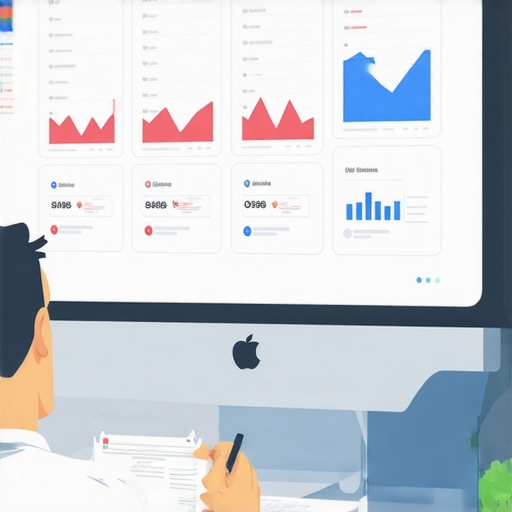
I remember the exact moment I realized something was off with my PPC campaigns. My ads were getting plenty of clicks—more than I ever expected! But when it came to conversions, crickets. No sales. Talk about a gut punch. It felt like I was throwing money into a black hole, and the worst part? I had no idea what I was missing.
This experience is all too common. Businesses pour resources into getting clicks, thinking that traffic automatically equals sales. But the truth is, if your ads attract the wrong audience or don’t lead them down the right path, those clicks won’t translate into revenue. It’s like throwing a party and hoping everyone stays—without inviting the right guests or providing the right ambiance, your effort falls flat.
Today, I’m here to tell you that this problem isn’t as complicated as it seems. We’ll explore why your PPC ads are getting traffic but no conversions, based on real-world insights and common pitfalls. More importantly, I’ll share proven strategies that have helped my clients—and myself—turn those clicks into actual sales. Because at the end of the day, isn’t that what we all want?
Unlocking the Hidden Reasons Why Clicks Don’t Convert
One of the biggest mistakes I made early on was ignoring the user’s journey after they clicked my ad. I focused solely on crafting a compelling ad copy, neglecting what happened once they landed on my website. It’s easy to get excited about the ad itself—bright headlines, tempting offers—but if your landing page isn’t optimized or aligned with the ad message, those visitors will bounce faster than you can say “conversion.” According to a report by WordStream, nearly 70% of PPC clicks go unrewarded because of poor landing page experience.
If you’re struggling with this, you’re not alone. But the good news? Small tweaks can make a huge difference. From ensuring your landing pages match the ad’s promise, to cleaning up clutter and making your call-to-action clear, these steps can drastically improve your conversion rates.
Before we jump into the nitty-gritty, I want to ask: Have you ever invested in a PPC campaign that drove tons of traffic but left you wondering where the sales were? If so, stick around. We’re about to uncover the core issues and set you on the path to turning your ad clicks into real revenue.
For a deeper dive into refining your web presence to support your PPC efforts, check out our comprehensive guide on [web design trends for 2025](https://growthdigitalco.com/web-design-trends-2025-innovative-ideas-for-modern-sites). Now, let’s get into the practical steps you can take right now.
Optimize Your Landing Pages to Match Ad Promises
Recall the time I ran an ad campaign for a local gym. The ad boasted a free week trial, but the landing page was cluttered with unrelated offers, making visitors confused and resistant. I simplified the page—removed distractions, clarified the offer, and added a bold, clear call-to-action (CTA). The result? A 30% increase in sign-ups within a week. Ensure your landing pages directly reflect your ad message, eliminating any disconnect that causes visitors to bounce.
Streamline Your Call-To-Action for Clarity
One of my clients had a beautifully designed website, but their CTA buttons were vague—When it comes to digital marketing, many professionals focus on the surface-level tactics like choosing colors or building backlinks. However, as an expert, I’ve observed that the real pitfalls often lie beneath these obvious strategies. Common myths, nuanced mistakes, and overlooked details can sabotage even well-planned campaigns if you’re not vigilant.
One widespread misconception is that branding is solely about a memorable logo or catchy tagline. In reality, many underestimate the power of consistent messaging and the emotional connection it fosters. According to branding expert Marty Neumeier, a brand’s essence is built through every touchpoint — from web design to customer service. Neglecting this holistic approach can lead to a disjointed brand identity that fails to resonate.
Similarly, in web design, a frequent mistake is overreliance on aesthetics without considering user experience (UX). While a sleek design attracts initial attention, neglecting intuitive navigation and accessibility can alienate visitors. For instance, flashy visuals might look impressive but can slow down site load times, harming both user engagement and SEO rankings. For insights on emerging trends that balance design with functionality, check out [web design trends for 2025](https://growthdigitalco.com/web-design-trends-2025-innovative-ideas-for-modern-sites).
In the realm of technical SEO, a notorious trap is ignoring crawlability issues, especially with JavaScript-heavy sites. Many assume that modern search engines handle all scripts seamlessly, but in reality, improper implementation of lazy loading or dynamic content can prevent Google from indexing your pages properly. This oversight diminishes your visibility despite having high-quality content. For advanced strategies on this, visit our guide on [mastering technical SEO in 2025](https://growthdigitalco.com/master-technical-seo-in-2025-expert-strategies-to-boost-your-website).
Turning to PPC, a common mistake is misjudging attribution models, which leads to misallocated budgets. Relying solely on last-click attribution can obscure the true value of upper-funnel campaigns. Advanced marketers use multi-touch models to better understand user journeys, thereby optimizing spend effectively. For proven tactics, see [maximize ROI with PPC](https://growthdigitalco.com/maximize-roi-with-these-proven-ppc-advertising-tactics).
Now, consider the nuanced issue of brand consistency across channels. It’s not enough to have a logo and a tagline; your tone, imagery, and messaging need to be synchronized everywhere. Inconsistent branding confuses your audience and dilutes recognition. A comprehensive approach includes developing a detailed brand style guide, which ensures every team member communicates your identity uniformly. Learn more about this at [branding strategies that define your business](https://growthdigitalco.com/branding-strategies-that-define-your-business-identity).
Beware of the trap of complacency—assuming that what worked yesterday will suffice tomorrow. Algorithms update, consumer behaviors shift, and what was effective a year ago might now be obsolete. Staying educated about industry nuances and continuously testing your strategies are essential. Regular audits, like technical SEO checks or PPC performance reviews, can uncover hidden issues.
Have you ever fallen into this trap? Let me know in the comments. Remember, mastering these nuances isn’t about knowing everything but about being vigilant and adaptive in your approach to digital success.
Keep Your Systems Running Smoothly with Reliable Tools
Maintaining an effective digital presence requires more than just initial setup; it demands ongoing attention and the right toolkit. Personally, I rely on SEMrush for comprehensive keyword tracking and site audit features that help identify issues before they escalate. Its on-demand site audits allow me to spot technical SEO errors—like broken links or slow loading times—and resolve them promptly, ensuring my website stays Google-friendly.
Another indispensable tool I use is Yoast SEO. It’s not just about optimizing content; it offers actionable insights for technical SEO, helping me keep my site structured correctly. The clarity it provides aids in avoiding common pitfalls like duplicate content or poorly optimized meta tags, which can severely hamper long-term visibility.
Automate Your Content Refreshes and Monitoring
Consistent content updates are vital for maintaining authority and rankings. I recommend setting up automated monitoring systems that track your key metrics, backlinks, and SERP positions. Tools like Google Analytics combined with Hotjar enable me to understand user behavior deeply, revealing whether recent changes foster engagement or cause drop-offs. Automating these insights saves time and ensures you react swiftly to evolving trends.
The Future of Maintenance: Embracing AI and Automation
Looking ahead, the trend is toward increasingly intelligent automation. AI-powered tools will soon predict SEO issues before they happen, allowing proactive adjustments. For example, systems that analyze search engine algorithm updates—like the recent Google Algorithm Changes—can recommend specific improvements tailored to your site’s architecture.
Incorporate these tools into your routine now and you’ll build a resilient, scalable web presence. Start by experimenting with automated site audits and performance monitoring. These simple steps can dramatically reduce downtime and keep your branding consistent across platforms.
How do I maintain technical SEO over time?
One powerful approach is to regularly update your site according to evolving best practices. For instance, ensuring your site loads quickly on mobile devices—by utilizing server-side caching, for example—can be achieved through tools like server-side caching. Make a habit of conducting quarterly audits to stay ahead of issues and adapt to algorithm updates. This proactive management preserves your rankings and prevents small problems from snowballing into costly fixes.
If you’re ready to elevate your maintenance game, I recommend trying out automated monitoring with Google Search Console. It’s free and offers invaluable insights into your site’s health, crawl errors, and indexing status. By consistently reviewing these reports, you can catch and fix issues early—saving time and money in the long run.
The Tough Lessons That Changed My Approach to Marketing
One of the most impactful discoveries I made was realizing that not all clicks are created equal. Early on, I poured effort into getting high volumes of traffic, but the conversion rate was dismal. It taught me that targeting the right audience and aligning my message at every touchpoint is crucial—otherwise, traffic becomes meaningless.
Another insight was that a beautiful website isn’t enough; it needs to facilitate the user journey seamlessly. Simple nuances like aligning your landing page with your ad promise and having a clear, compelling CTA can make or break your campaign’s success.
Lastly, I learned that continuous testing and adapting trump static strategies. The digital landscape shifts rapidly; staying vigilant and being willing to pivot is key to sustained growth.
Your Shortcut to Smarter Strategies
If you’re looking to elevate your marketing game, I highly recommend exploring tools like web design trends for 2025 and mastering technical SEO in 2025. These resources have helped me understand how to craft websites that not only attract visitors but also convert them effectively.
For PPC mastery, check out PPC strategies that maximize ROI. They offer actionable tactics to refine your campaigns and ensure each dollar counts.
And don’t overlook the importance of a consistent brand voice—visit branding strategies that help you stand out in crowded markets and build trust with your audience.
Embrace the Challenge and Build Confidence
Remember, digital marketing is a journey filled with learning and adaptation. Every mistake is a stepping stone toward mastery. I encourage you to experiment boldly, analyze your results, and stay curious about emerging trends. You’ve got everything you need to turn your clicks into customers—start today and watch your efforts transform into tangible success.