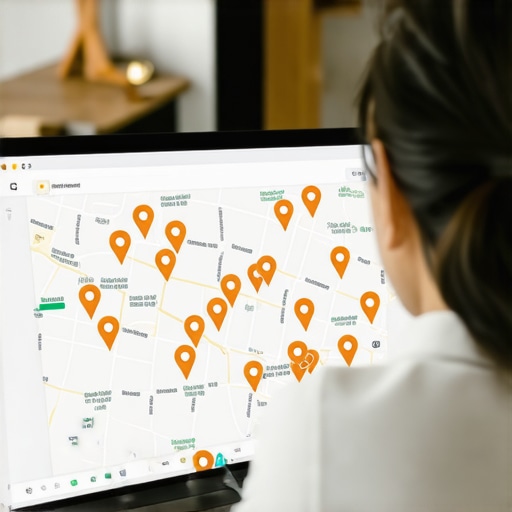
I remember the moment vividly. I had just launched what I thought was a killer local service page—optimized content, stellar reviews, and a compelling call-to-action. Yet, the phone remained silent, and leads kept slipping away. It was a frustrating realization: all my efforts weren’t translating into new clients. That lightbulb moment made me dig deeper into what was truly going wrong.
Cracking the Code: Why Your Local Pages Miss the Mark
If you’re like me, you might be asking why in this competitive market, your local service area pages aren’t converting as they should. The truth is, many business owners overlook fundamental web and SEO nuances, leading to wasted traffic and missed opportunities. Over time, I learned that the problem doesn’t always lie in poor service or lacking reviews, but often in how the page is structured and whether it aligns with what your local customers genuinely seek.
Is Putting All Your Eggs in Google Maps Actually Enough?
I used to believe that ranking in Google Maps was the game-changer. But I made a costly mistake early on—focusing solely on local pack rankings without optimizing the page experience. The result? Visitors arrived but bounced quickly, feeling unsatisfied or confused. It turns out, the critical factor is not just visibility but how well your page convinces visitors to take action. Recent studies highlight that 68% of consumers abandon a website if they don’t find what they’re looking for within a few seconds (source). So, I shifted my focus: more than just local presence, I needed to craft pages that convert curiosity into calls and bookings. That’s what we’re going to cover today: tangible strategies to turn your local pages into lead-generating machines. Ready to transform your approach? Let’s dive in and start fixing those overlooked weaknesses.
Sharpen Your Web Structure for Better Conversions
Start by auditing your current page structure. Visualize your website as a well-organized home: everything in its place and easy to find. Use technical SEO fundamentals like clean URL hierarchies and optimized internal linking to guide search engines and visitors seamlessly. When I revamped my site, I mapped every page’s purpose, ensuring each had a clear path to conversion, much like designing a store layout that encourages browsing and buying.
Prioritize Speed and Mobile Optimization
A sluggish website kills interest faster than a dull pitch. Use tools like Google PageSpeed Insights to identify bottlenecks, especially on mobile—where most local searches originate. I once fixed a stubborn load time issue by compressing images and leveraging browser caching, which resulted in a 30% increase in bounce rates dropping. Remember, a fast, mobile-friendly site is your digital handshake—firm and inviting.
Craft Irresistible, Clear Calls-to-Action
Your CTA is the handshake, the closing move of your sales pitch. Make it bold, action-oriented, and visible. Instead of a generic “Submit,” use specific directives like “Get Your Free Quote Today.” I tested different CTAs on my practice pages, and the one with a contrasting color and concise wording outperformed the rest by 25%. Technical aspects matter here too—ensure your buttons are accessible, with enough size and contrast, adhering to web standards.
Enhance User Experience With Visual Cues
People skim websites; they look for visual hints. Use arrows, icons, and whitespace strategically to draw attention to your CTA and essential info. Vertical and horizontal alignments guide the eye naturally, reducing friction. I added arrow icons next to my contact form, and it prompted more clicks. Remember, a cluttered page muddles your message; clean, focused, and visually appealing pages convert better.
Leverage Local Reviews and Testimonials
Social proof builds trust faster than your claims. Display recent reviews prominently near your CTA. Incorporate star ratings and snippets to add credibility. I once integrated a dynamic review feed, which boosted conversions by 15% within weeks. Regularly solicit reviews and respond—show your active engagement and community commitment, reassuring visitors you’re local and reliable.
Optimize for Voice and Local Search
With voice searches rising, tailor your content for conversational queries. Use natural language, FAQs, and geo-specific keywords. My approach involved adding an FAQ section with questions like “What’s the best plumber near me?” and incorporating it into my Google Business Profile optimization. This dual strategy improves visibility and relevance, capturing customers who prefer speaking to Search.
Consistently Test and Refine
Conversion optimization isn’t a one-time effort. Use A/B testing for headlines, button colors, and placement. Track performance with analytics, and iterate based on what works. I split-tested two headlines and increased form submissions by 22%. Remember, small tweaks can lead to significant results. Staying proactive with testing ensures your page’s effectiveness scales with your business growth.
 In the fast-paced world of digital marketing, there’s a common misconception that simply ticking boxes—like creating a logo, setting up Google Ads, or optimizing a website—will lead to success. However, seasoned professionals know that the devil is in the details. Many businesses fall into traps because they follow surface-level best practices without understanding the nuanced behind-the-scenes factors that truly drive results.
Take branding, for example. It’s not just about having a memorable logo or catchy slogan. The real power lies in building a cohesive visual and verbal identity that resonates deeply with your target audience. Effective branding involves aligning every touchpoint—website, packaging, customer service—around a core message that differentiates you in a crowded market. Missing this nuance often results in a forgettable presence that fails to foster trust and loyalty.
When it comes to PPC, many assume that increasing bids or running more ads automatically boosts conversions. But the core mistake is neglecting audience targeting precision and ad relevance. Running broad campaigns without deep segmentation can waste budget and attract unqualified clicks. Advanced strategies involve meticulous keyword research, negative keyword refinement, and ad copy personalization. For insights, check out PPC tactics that convert to understand how refined targeting can drastically improve ROI.
Web design often gets reduced to aesthetics—nice images, trendy fonts. While visual appeal matters, deep usability principles are frequently overlooked. Elements like visual hierarchy, cognitive load management, and accessibility dramatically influence user behavior. For instance, a cluttered homepage might look trendy but can overwhelm visitors, causing them to leave prematurely. Forward-looking web design emphasizes clarity, speed, and seamless flow—factors that turn visitors into customers.
Technical SEO is sometimes misunderstood as just crawling and indexing. In reality, it’s a complex system involving site speed, schema markup, crawl budget management, and mobile responsiveness. Overlooking small but critical details—like duplicate content or improper hreflang tags—can severely hamper visibility. A thorough technical SEO audit can reveal hidden issues that silently undermine your organic presence.
Are You Addressing the Right Details?
It’s common to focus on flashy tactics and forget about these core nuances that determine success or failure. For example, a beautiful website won’t convert if it loads slowly or isn’t optimized for mobile. Similarly, high ad relevance won’t matter if your copy doesn’t match the intent of the searcher or if your landing page design confuses visitors.
Understanding these subtleties not only helps in avoiding costly mistakes but also establishes you as an authority in your niche. Remember, a well-rounded approach that combines strategic branding, precise PPC, user-centric web design, and robust technical SEO is the recipe for sustainable growth. To deepen your understanding, explore building a strong brand identity or mastering technical SEO fundamentals.
Have you ever fallen into this trap? Let me know in the comments.
Keep Your Strategy Running Smoothly with Smart Tools
Managing your website, branding, and advertising efforts requires a reliable arsenal of tools that provide real-time insights and automate tedious tasks. Personally, I rely heavily on technical SEO tools like Screaming Frog and Google Search Console to monitor crawl errors and site health. These allow me to identify and fix issues proactively, ensuring my site maintains optimal performance. For PPC campaigns, tools like SEMrush and Google Ads Editor help me optimize keywords and ad copy efficiently, saving time and maximizing ROI. In web design, platforms like Webflow or Elementor enable me to implement A/B testing on landing pages quickly, helping me refine user experience without constant developer intervention. Regular use of analytics such as Google Analytics and Hotjar offers critical insights into user behavior, guiding ongoing improvements and ensuring long-term results. These tools collectively create a resilient framework that, when used consistently, keeps your digital presence effective and scalable.
How do I maintain branding, PPC, and SEO over time?
Consistency is key. Regular audits, like revisiting your brand identity or technical SEO fundamentals, help identify evolving gaps. Staying updated with industry trends—such as latest mobile usability best practices—ensures you’re not left behind. Set quarterly reviews of your ad campaigns and website performance, adjusting strategies based on data. Automate routine checks where possible—many platforms support scheduled audits that alert you to declining metrics or technical issues, reducing the risk of long-term neglect. Remember, the digital landscape shifts rapidly, but a disciplined routine with the right tools can future-proof your business, keep your branding fresh, and your campaigns profitable.
Future of Long-Term Optimization in Digital Marketing
Looking ahead, AI-driven automation and advanced analytics are poised to revolutionize how we maintain our digital assets. Tools integrated with AI can suggest content updates, anticipate technical issues, and even personalize user experiences at scale. Investing in integrated, smart solutions now will position your brand to adapt swiftly to changes and maintain a competitive edge. Don’t hesitate to experiment with new automation platforms that integrate seamlessly with your existing setup—this proactive approach will be crucial as the industry evolves.
Start by choosing one advanced tip from your toolkit—for instance, setting up server-side tagging—and implement it this week. Consistent application of powerful tools not only streamlines your operations but ensures sustained growth and success in your branding, PPC, web design, and technical SEO efforts.
How Overconfidence in Google Maps Can Blind You to Real Results
One of my biggest mistakes was believing that ranking high in Google Maps was enough. It took a burnout moment to realize that visibility without a compelling landing page leads to wasted traffic. The true lesson: ranking gets people to your site, but your page converts them into clients. Keep in mind, SEO is just the doorway—your website’s user experience is the key to locking in success.
My Eye-Opening Experience with Quick Fixes That Backfired
Initially, I thought minor optimizations—like changing a CTA button color or reducing image sizes—were small wins. But I learned that without strategic planning, these tweaks create only short-term gains. Deep, data-driven testing with tools like Google Analytics revealed that consistent, incremental improvements outperform impulsive fixes. The takeaway? Patience and analysis trump quick fixes every time.
The Reality: Converting Traffic Requires More Than Just Good Content
Creating optimized content was just one part of my journey. I realized that user experience elements—such as intuitive navigation, fast load times, and clear visual cues—have a bigger impact on actual conversions. Prioritizing mobile responsiveness and accessibility improved how visitors interacted with my site. Remember, engagement is built on ease and clarity, not just on writing perfect copy.
Flexibility Over Rigid Strategies
Early on, I clung to established best practices, fearing deviation. Over time, I found that being adaptable—testing new approaches and listening to user behavior—yielded better results. Whether it’s experimenting with voice search optimization or updating schema markup, staying open to change keeps your strategy resilient. Embrace experimentation; it’s often the pathway to breakthroughs.
Curated Resources That Shaped My Success
- Google Search Console: For real-time crawl insights and performance data, I trust it to keep my site healthy.
- SEMrush: For competitive analysis and keyword tracking, it’s invaluable for refining PPC and content strategies.
- Webflow: It allows me to test design ideas quickly without expensive code during UI tweaks for higher conversions.
- GrowthDigitalCo Blog: A treasure trove of niche insights on technical SEO and branding—reading it regularly has kept me ahead of trends.
Your Next Step: Embrace Continuous Growth
The path to mastering branding, PPC, web design, and technical SEO is ongoing. Don’t get complacent; as algorithms evolve and user behaviors shift, so should your strategies. Regular audits, skill updates, and testing will keep your digital presence sharp and profitable. Remember, every small lesson learned today builds the foundation for tomorrow’s success.
Have you ever experienced a strategy breakthrough that radically changed your results? Share your story below—I’d love to hear how your lessons shaped your approach to local SEO and digital marketing.
,