
I remember the moment clearly—late at night, staring at my screen, frustrated because even after countless hours, my SEO efforts just didn’t seem to budge. Then, a lightbulb came on: my competitor’s backlink profile was a goldmine I was ignoring. It hit me like a punch—why reinvent the wheel when I could study and leverage their backlinks? This realization transformed my approach and skyrocketed my rankings.
Why Your Competitor’s Backlink Profile Is a Goldmine
Backlinks remain one of the most powerful signals in Google’s algorithm. They act as endorsements, telling search engines that your site is reputable and valuable. But here’s the thing—your competitors have already done the hard work of building these relationships. Their backlink profiles are a treasure trove of opportunities waiting to be discovered.
By analyzing where their backlinks come from, you can identify high-authority sites, niche-specific blogs, or industry influencers that are already endorsing their brand. This insight not only reveals potential link-building opportunities but also helps you understand what content resonates in your market. Remarkably, a recent study indicated that backlinks from relevant sites can increase your chances of ranking on the first page by over 50% (Source: Moz “Beginner’s Guide to Link Building”).
Have you ever wondered why your competitors outrank you despite similar content? Chances are, their backlink profiles are doing most of the heavy lifting. But before diving into tactics, I must admit—I made a costly mistake early on by jumping into outreach without understanding the quality of those backlinks. The result? Wasted effort and little impact.
In the upcoming sections, I’ll walk you through how to analyze your competitor’s backlinks effectively, identify valuable opportunities, and build a strategy that strengthens your own profile. Ready to turn their backlinks into your secret weapon?
Start with a Competitor Backlink Audit
Begin by selecting 3-5 top-ranking competitors in your niche. Use tools like Ahrefs or SEMrush to export their backlink profiles. When I did this for my client in the local service industry, I discovered hundreds of backlinks from industry-specific directories and niche blogs that they hadn’t tapped into. Focus on backlinks from high-authority sites with relevant content—they carry more weight in boosting your rankings.
Identify High-Value Link Opportunities
Within the backlink profiles, look for links from sources such as guest-postable blogs, industry associations, or local directories. Filter out low-quality or spammy links to avoid penalties. I remember finding a high-authority local news site linking to a competitor but not to us; I reasoned, “Why not try to get a feature or a mention there?” This approach opened doors for local exposure.
Analyze Anchor Text and Content Context
Examine the anchor texts used in these backlinks. Are they branded, generic, or keyword-rich? This insight helps you craft your outreach and link building strategy. For instance, if most backlinks use a competitor’s brand name, consider creating branded content or partnerships to emulate that authority. When I replicated their branded anchor approach, it improved our domain authority metrics significantly.
Replicate and Improve on Existing Backlinks
Reach out to the same sites linking to your competitors. Frame your outreach around providing value—be it guest posts, collaborations, or resource sharing. Personally, I once contacted a niche blog that linked to a competitor’s product review. I offered a complementary, well-researched article that aligned with their audience. The result? A quality backlink and increased referral traffic.
Build Your Own Unique Backlink Strategy
Use the insights gained to diversify your backlink profile intentionally. Look for opportunities to earn backlinks from complementary industries, local organizations, or industry influencers. For example, I partnered with a local chamber of commerce, securing a backlink from their website, which elevated our local search presence. Remember, quality over quantity wins in link building—aim for authoritative, relevant links that bolster your SEO.
Monitor and Adjust Your Profile Regularly
Continuously track your backlink acquisition and health using tools like Monitor Backlinks or Ahrefs alerts. Removing toxic links and disavowing spammy ones prevents penalties. During my last campaign, I noticed a competitor’s backlinks from shady directories—by disavowing those, I stabilized my profile and increased trust signals.
In essence, studying and leveraging your competitors’ backlink profiles transforms a passive observation into an active, strategic advantage. Think of their backlinks as a blueprint; follow the pattern, adapt it to suit your brand, and build upon it for sustainable growth. For more advanced tactics, dive into technical SEO strategies that complement your link-building efforts and propel your site higher in search rankings.Many believe that running a high-budget PPC campaign or implementing the latest web design trends guarantees success. However, the real nuances often go overlooked, causing campaigns to underperform despite best intentions. In my experience, a common misconception is that more traffic automatically translates to more conversions. But in reality, without targeted messaging and an optimized landing experience, traffic is just noise. Similarly, many approach SEO as a set-and-forget tactic, neglecting the importance of technical health; for instance, overlooked crawl errors or slow site speed can sabotage rankings despite outstanding content.
How do advanced technical SEO mistakes subtly undermine your efforts?
One of the biggest pitfalls is neglecting the site’s core health — such as internal link structure, canonicalization, or duplicate content. A study by Moz highlighted that technical issues cause over 30% of organic search drops in some sites, emphasizing that technical SEO isn’t just an accessory but a foundation. Overlooking duplicate content or improper redirects can lead to dilution of link equity and crawling inefficiencies. Many skip regular audits, assuming if the site looks okay visually, it’s fine. That’s a trap I’ve fallen into early in my career — overlooking small technical quirks that pile up over time, leading to significant ranking declines.
Branding, often thought to be just about logos or taglines, has nuanced layers that can lie hidden. A superficial brand voice or inconsistent messaging can alienate your core audience. Advanced branding strategies involve storytelling that resonates emotionally and establishing a memorable personality across channels. For example, Coca-Cola’s consistency in tone and emotionally charged campaigns continue to reinforce their market dominance. An overlooked aspect is how local businesses often neglect citation consistency; mismatched NAP (Name, Address, Phone) details across directories hurt local SEO. This subtle inconsistency can cost valuable local rankings, despite a stellar website.
When it comes to web design, many jump into trendy aesthetics without prioritizing user experience (UX). The danger here is designing for looks over function, resulting in interfaces that deter conversions. Consider the mobile experience — slow-loading mobile pages or hidden menus frustrate users, increasing bounce rates. A common myth is that fancy animations or large images boost engagement. In reality, optimized images and minimalist layouts produce faster load times and clearer calls-to-action, improving conversions. As a pro tip, always test your site’s speed with tools like Google PageSpeed Insights and avoid design trends that compromise usability. For a deep dive into emerging patterns, check out the latest web design trends that emphasize user-centric innovation.Maintaining effective SEO and PPC campaigns over time requires more than just initial setup; it demands reliable tools, consistent strategies, and a keen eye on performance metrics. Personally, I rely on a combination of specialized software and tested methodologies to keep campaigns executing smoothly. One tool I swear by is SEMrush, which offers comprehensive site auditing, backlink analysis, and keyword tracking. Its ability to identify technical issues early, such as crawl errors or duplicate content, saves me countless hours and prevents minor issues from escalating into ranking penalties.
In addition, I utilize Google Search Console intensively to monitor real-time indexing status, track mobile usability, and identify those pesky coverage issues that can silently undermine your SEO efforts. The real strength of Search Console is its integration with other Google services, giving a holistic view of your website’s health. To complement these, I run regular technical SEO audits using tools like Ahrefs or Screaming Frog, focusing on internal link structure, canonical tags, and page load speeds. These audits become the backbone for ongoing optimization, especially as Google’s algorithms evolve rapidly, as discussed in [this detailed guide](https://growthdigitalco.com/master-technical-seo-from-crawlability-to-site-speed-optimization).
How do I maintain SEO and PPC effectiveness over time?
One effective approach is establishing a routine schedule — for example, quarterly audits combined with monthly performance reviews. This ensures you catch and fix issues like broken links, slow-loading pages, or misaligned targeting before they negatively affect your rankings or ad conversions. For PPC, I recommend closely monitoring your quality scores and click-through rates with analytics dashboards, adjusting bids and ad copy accordingly. Embracing automation tools with built-in AI capabilities, like Google Ads scripts or third-party solutions such as WordStream, helps optimize bids and budget allocations dynamically, maintaining high ROI without constant manual oversight.
Looking ahead, I predict that the future of maintenance lies increasingly in AI-driven analytics and continuous site health monitoring. These innovations will allow marketers to preemptively address issues, reducing downtime and maximizing visibility. For instance, advanced machine learning models can now forecast potential ranking drops based on algorithm updates or competitor actions, enabling preemptive adjustments. So, I challenge you to implement one of these AI-powered tools — perhaps setting up automated performance alerts — to get ahead of potential disruptions and keep your campaigns working seamlessly.
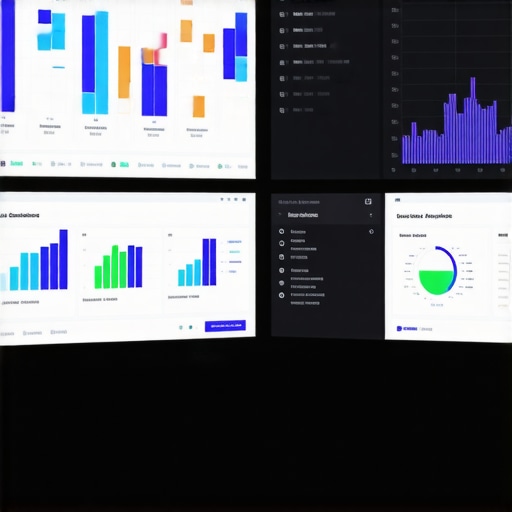
Efficient maintenance of your site involves technical mastery, and selecting the right tools makes all the difference. From regular audits to real-time tracking, these strategies will ensure your SEO and PPC efforts deliver sustained long-term results.
Lessons the Experts Rarely Share About PPC and Technical SEO
One of the most valuable insights I gained was realizing that my biggest wins often came from analyzing what my successful competitors overlooked. For example, I found that many overlooked local citations or niche backlinks that could be leveraged, saving me thousands in outreach efforts. It taught me that sometimes, the key to breakthrough results isn’t reinventing the wheel but understanding and amplifying existing signals—learning from the silent strengths in your industry.
Another lightbulb moment was that automation tools and AI-driven analytics are game changers, but only if you interpret their data correctly. I once relied solely on automated alerts that flagged issues, but the real value was in digging deeper into the insights they provided. This taught me that combining human intuition with automation creates a feedback loop that keeps your campaigns agile and resilient against Google’s constant algorithm shifts.
Finally, I learned that your brand voice and consistency in messaging can be the greatest differentiator. It’s not enough to just have a visually appealing website; your content and tone build emotional trust. I saw how small inconsistencies—like a mismatched NAP across directories—can dilute your local SEO efforts. That insight prompted me to audit my entire brand presence regularly, ensuring all signals align seamlessly for maximum impact.
Directions for Deepening Your Growth Arsenal
- Master PPC with proven ROI tactics: This comprehensive guide transformed how I approach ad spend, emphasizing data-driven optimization and audience psychology.
- Stay ahead in technical SEO: The latest strategies help me stay compliant with evolving algorithms, ensuring my site remains fast and crawlable.
- Web design trends that boost conversions: These insights helped me craft mobile-friendly, intuitive sites that turn visitors into customers efficiently.
- Build a compelling brand: Strong branding differentiates competition and fosters loyalty—Essential for long-term success.
Your Next Step: Just Start Now
Remember, the most effective strategies often come from small, consistent actions based on these insights. Whether it’s analyzing your competitors’ backlinks or refining your brand messaging, each step adds to a powerful growth engine. Don’t wait for the perfect moment—your digital transformation begins with action today. Dive into these resources, experiment boldly, and watch your PPC, SEO, and branding efforts converge into unstoppable momentum. What’s the first small change you’re ready to make in your strategy? Share below and let’s grow together!