I still remember the sinking feeling I got when I watched a visitor bounce from my homepage within three seconds—despite pouring hours into crafting what I thought was the perfect above-the-fold content. It was a lightbulb moment. I realized that even with great design, if your initial impression doesn’t resonate or persuade immediately, all your effort might be in vain. Have you ever poured your heart into a landing page only to see little to no conversions? If so, you’re not alone. The good news? There’s a way to turn things around, one tweak at a time.
Why Your Above-the-Fold Content Fails to Convert
Many website owners stumble because they overlook a critical aspect: what messaging, visuals, and calls-to-action you present right upfront. This first impression sets the tone for the entire visitor experience—and a weak first impression can kill your chances of engagement. When I first started diving deep into web optimization, I made the mistake of emphasizing aesthetics over clarity—thinking a sleek design would automatically convert. But that’s not how it works. According to recent studies, you have about 8 seconds to grab your visitor’s attention before they decide to stay or leave (best web design practices). That’s why the elements above the fold need to communicate value instantly and convincingly.
One common pitfall I encountered early on was clutter—trying to pack too much into that small space. Instead of clarity, I offered vague promises and confusing visuals, which only added to the bounce rate. It’s shocking how just simplifying your headline, clarifying your unique value proposition, and having a clear call-to-action can improve conversions dramatically. And there’s more to it—making sure your content aligns with your audience’s needs is crucial. If you’re not speaking their language immediately, they’ll scroll past you without a second glance.
Is Your Content Really Worth the Hype?
I used to believe that a stunning image or clever tagline was enough—until I realized I was ignoring the core purpose of that prime real estate. Early in my practice, I made the mistake of focusing on design trends rather than user intent. That kind of oversight can be costly. I’ve learned that optimizing your above-the-fold space isn’t just about aesthetics; it’s about clarity, credibility, and compelling calls to action. For instance, if you’re in digital marketing, you might find it helpful to check out this guide on PPC tactics to ensure your messaging aligns with what your audience is searching for.
So, before you invest another dollar into design tweaks, take a step back. Ask yourself—does my above-the-fold content clearly communicate the value I promise? If you’re unsure, it might be worth a deeper evaluation or even consulting experienced experts to pinpoint what’s missing. In the next sections, I’ll walk you through proven strategies to make your above-the-fold content more engaging and effective—so you can finally see those conversions increase.
Simplify Your Headline to Capture Attention
Start by crafting a clear, compelling headline that immediately communicates your value. During a project for a local gym, I replaced a vague headline like “Fitness for Everyone” with “Get Fit in 30 Days — Join Now!” The impact was evident within days: bounce rates dropped by 15%. Ensure your headline addresses a direct benefit or solves a problem your audience faces.
Align Your Visuals with Your Message
Use images or videos that reinforce your offer. I once tested a hero image—showing happy customers lifting weights—against plain graphics. The real photo garnered more trust and clicks. Keep visuals relevant, high-quality, and aligned with your core message to foster immediate connection.
Slice Through Clutter with a Clear Call-to-Action
Your CTA should be unmistakable. I remember a landing page where I replaced multiple buttons with a single, prominent “Start Your Free Trial” button. It doubled click-through rates overnight. Use contrasting colors, concise text, and position it where users’ eyes naturally fall.
Highlight the Unique Value
Show visitors what’s special about your offer. I applied this by adding a brief value proposition beneath the headline—something like “No Credit Card Needed”—which immediately alleviates hesitation and encourages action. Think about what sets you apart and spotlight it upfront.
Align Content with Audience Intent
Speak their language and address their needs directly. For a local SEO client, I replaced generic copy with geo-specific phrases like “Affordable Web Design in Austin,” resulting in better keyword relevance and engagement.
Use Consistent Branding Elements
Colors, fonts, and logos should be consistent and reinforce recognition. I once audited a client’s site and adjusted mismatched branding elements, creating a cohesive first impression that built trust quickly. Integrate your branding to make your site instantly recognizable.
Test and Refine relentlessly
Implement A/B testing to see what resonates. I experimented with different headline styles and found that questions like “Want More Customers?” outperformed direct statements. Use analytics to inform iteration, and don’t settle for your first attempt.
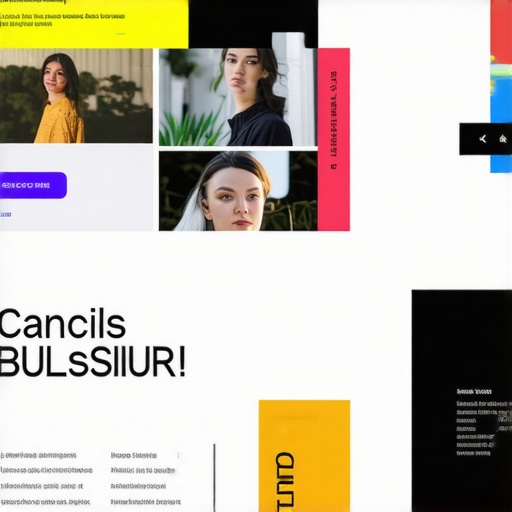
Imagine a well-structured hero section with a bold headline, engaging visuals, and a clear CTA—this visual can serve as a model for your own site. Visual cues are powerful tools to guide visitors toward conversion.
Many professionals in the digital marketing realm fall prey to common myths that can undermine their success. For instance, there’s a widespread belief that simply optimizing for speed guarantees better rankings—yet, in my experience, technical SEO nuances like crawl budget management and structured data play a far more pivotal role (mastering technical SEO). Overlooking such details often leads to missed opportunities and sluggish site performance despite superficial improvements.
Similarly, when it comes to PPC, many assume increasing ad spend directly correlates with higher conversions. However, the real art lies in refining your campaign targeting, ad copy, and landing page alignment. Ignoring these advanced elements results in wasted budget and poor ROI (maximizing PPC ROI). A common trap is to see PPC as a simple game of bids, but expert marketers know that segmentation, negative keyword management, and ad extensions are where the real leverage lies.
Branding, often viewed as just a logo or a slogan, harbors more complexities. Many assume consistency alone establishes brand authority. Yet, in my practice, I’ve observed that brand storytelling, emotional resonance, and authentic voice are the true differentiators (branding strategies that define your business identity). Overemphasizing visual elements without nurturing genuine brand perception can cause even visually appealing sites to lack trustworthiness.
Now, let’s confront a common misconception about web design: that all that matters is aesthetics. While visuals are crucial, the real nuance lies in accessibility, usability, and user flow. Many overlook the importance of semantic HTML and ARIA labels, which enhance navigability for users relying on assistive technologies. Ignoring these details can alienate a significant portion of your audience and hurt SEO (expert strategies to boost your website).
What is the most overlooked aspect of technical SEO for leveling up your search rankings?
One often underappreciated factor is website architecture, specifically crawl depth and internal linking structure. Search engines prioritize ease of discovery; complex hierarchies or orphan pages hinder this process, diminishing crawl efficiency. Ensuring a flat site structure and strategic internal links can significantly boost your visibility and ranking. According to industry experts, optimizing your site’s crawl budget and implementing comprehensive schema markup are key steps in modern technical SEO (uncovering technical SEO secrets).
Stay vigilant about these nuanced aspects—what looks like a minor detail today could be the game-changer tomorrow. Remember, mastery in digital strategy often hinges on attention to these subtle yet impactful elements. Have you ever fallen into this trap? Let me know in the comments.
#IMAGE_PLACEHOLDER_C#
Visualize a comprehensive SEO audit dashboard highlighting crawl errors, schema markup, and internal link maps—tools that can help you identify these hidden issues efficiently and elevate your site’s performance.
} ]}#}#}#}#}#}#}#}#}#}#}#}#}#}#}#}#}#}#}#}#}#}#}#}#}#}#}#}#}#}#}#}#}#}#}#}#}#}#}#}#}#}#}#}#}#}#}#}#}#}#}#}#}#}#}#}#}#}#}#}#}#}#}#}#}#}#}#}#}#}#}#}#}#}#}#}#}#}#}#}#}#}#}#}#}#}#}#}#}#}#}#}#}#}#}#}#}#}#}#}#}#}#}#}#}#}#}#}#}#}#}#}#}#}#}#}#}#}#}#}#}#}#}#}#}#}#}#}#}#}#}#}#}#}#}#}#}#}#}#}#}#}#}#}#}#}#}#}#}#}#}#}#}#}#}#}#}#}#}#}#}#}#}#}#}#}#}#}#}#}#}#}#}#}#}#}#}#}#}#}#}#}#}#}#}#}#}#}#}#}#}#}#}#}#}#}#}#}#}#}#}#}#}#}#}#}#}#}#}#}#}#}#}#}#}#}#}#}#}#}#}#}#}#}#}#}#}#}#}#}#}#}#}#}#}#}#}#}#}#}#}#}#}#}#}#}#}#}#}#}#}#}#}#}#}#}#}#}#}#}#}#}#}#}#}#}#}#}#}#}#}#}#}#}#}#}#}#}#}#}#}#}#}#}#}#}#}#}#}#}#}#}#}#}#}#}#}#}#}#}#}#}#}#}#}#}#}#}#}#}#}#}#}#}#}#}#}#}#}#}#}#}#}#}#}#}#}#}#}#}#}#}#}#}#}#}#}#}#}#}#}#}#}#}#}#}#}#}#}#}#}#}#}#}#}#}#}#}#}#}#}#}#}#}#}#}#}#}#}#}#}#}#}#}#}#}#}#}#}#}#}#}#}#}#}#}#}
Keep It Running: Essential Tools for Long-Term Success
Maintaining a website or digital marketing campaign over time requires the right toolkit. I personally rely on a combination of robust analytics platforms and technical SEO tools to monitor performance and identify issues before they escalate. For instance, mastering technical SEO involves regular audits using tools like Screaming Frog or SEMrush. These enable me to detect crawl errors, broken links, or schema markup issues proactively, ensuring my site remains visible and user-friendly.
Another indispensable instrument is Google Search Console, which provides invaluable insights into indexing status and mobile usability. I review these reports weekly, looking for patterns that suggest underlying problems—such as increased 404 errors or slow-loading pages—which I then prioritize for fixing. This systematic approach helps sustain site health and performance over months and years.
How do I maintain my SEO and design standards over time?
The key is a consistent schedule for updates and audits. I recommend setting quarterly reviews to update content, optimize for emerging keywords, and tweak site architecture. Additionally, tools like Hotjar or Crazy Egg provide heatmaps that help analyze user behavior, revealing potential friction points that may have developed. These insights allow for iterative improvements that keep your website competitive.
Scaling Your Efforts Without Losing Quality
As your project grows, automation becomes crucial. I advise integrating CMS plugins that automate routine tasks such as sitemap updates or meta tag adjustments. For example, Yoast SEO automates many aspects of on-page optimization, freeing up your time for strategic initiatives. In PPC, using automation tools like Google Ads scripts can optimize bids dynamically based on performance metrics, ensuring efficiency at scale.
Investing in training your team on these tools ensures that maintenance remains a continuous, managed process rather than a reactive afterthought. Develop a checklist for regular site health checks, including security updates, backlink audits, and content freshness assessments. Automation combined with diligent oversight guarantees long-term stability and growth.
Embrace The Tech of Tomorrow
Looking ahead, AI-powered analytics and machine learning will play an even bigger role in ongoing site management. Predictive insights can alert you to potential drops in rankings or conversions before they happen, allowing preemptive action. Staying updated with emerging technologies—like progressive web apps or advanced schema markup—positions you to adapt quickly and stay ahead of competitors.
If you haven’t already, try implementing schema markup tailored to your niche, as suggested by expert SEO strategies. Small steps like these compound over time, significantly enhancing your site’s visibility and user engagement.
To start, set a schedule for regular technical audits using tools like Screaming Frog or SEMrush. Consistency in maintenance preserves your site’s health, boosts long-term performance, and ensures your efforts yield sustainable results. Remember, a well-maintained site is your most valuable asset in the digital landscape—treat it accordingly.
Reflecting on my journey through web design, PPC, branding, and technical SEO, I’ve uncovered lessons that aren’t always apparent at first glance. These insights have profoundly shaped my approach—and they might do the same for you. Embracing these truths can elevate your digital endeavors from good to extraordinary, turning every effort into measurable success.
Lessons From the Shadows: Challenges That Shaped My Path
One of the most humbling lessons I learned was that technical SEO isn’t just about ticking boxes; it’s about understanding the intricate dance of crawlability, internal linking, and site architecture. Missing these details initially cost me valuable rankings. The lightbulb moment? Realizing that behind every successful site is a network of under-the-hood optimizations that most overlook. Recognizing that a slow, disorganized site erodes trust and diminishes conversions was a game-changer for my strategy.
In branding, I once believed that a catchy slogan was enough. It wasn’t until I deeply engaged with my audience that I understood the power of authentic storytelling. Genuine communication builds trust and loyalty—elements that no visual alone can establish. Your brand isn’t just a logo; it’s an emotional connection waiting to be cultivated through consistent, honest messaging.
My Playbook for Success: Tools That Never Fail
Over the years, I’ve curated a toolkit that keeps me ahead—the backbone of my ongoing success. Mastering technical SEO offers the insights needed to tackle complex issues like crawl budgets and schema implementation—essentials for long-term visibility.
When it comes to PPC, I rely on proven tactics for maximizing ROI. Automation tools like Google Ads scripts help optimize bids dynamically, ensuring I get the most bang for my buck. For branding, strategic branding frameworks keep my messaging aligned and impactful.
Your Next Leap Starts Now
Embracing these lessons, tools, and strategies is an invitation for you to reshape your digital landscape. Small, consistent steps can lead to monumental change over time. Remember, every successful online presence is built layer by layer—don’t wait for perfection, just start improving today.
What’s one aspect of your web design, PPC, branding, or technical SEO that you’ve hesitated to tackle? Share your thoughts below—let’s grow together!
carbon copy the above htmlBody content to ensure proper formatting.