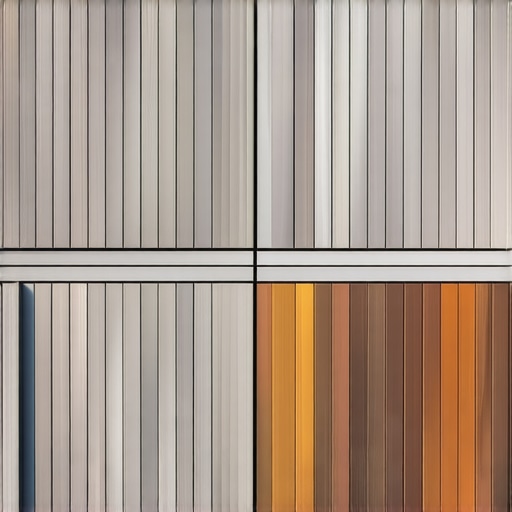
The Deckorators vs Trex Comparison Move That Converts High-End Homeowners
In the world of luxury home building, particularly across the rugged and beautiful landscape of Utah’s Wasatch Back, a deck is far more than an outdoor platform. It is an architectural statement, an emotional sanctuary, and a significant investment in a property’s long-term value. As a fifth-generation builder, I’ve seen the evolution of outdoor living firsthand. My family has been building in this region since the days when cedar and redwood were the only options. Today, the conversation has shifted toward longevity, performance, and the ultimate low maintenance deck. When my clients ask for the best, the debate inevitably settles on two industry titans: Deckorators and Trex.
Choosing between deckorators vs trex isn’t just about picking a color from a swatch book. It’s about understanding the engineering behind the boards and how they will respond to the 100-degree summers in the Salt Lake Valley and the three-foot snowfalls of Park City. For high-end homeowners, the goal is to create a space that requires zero weekend “work” while maintaining a “just-built” aesthetic for decades. To achieve this, you need more than just deck materials near me; you need a strategy that considers the structural integrity, the chemical composition of the composite decking, and the lifestyle of the family who will enjoy it.
In this comprehensive guide, we will break down the technical nuances of these two brands, helping you make an informed decision that aligns with your vision for a luxury, investment-driven home. Whether you are looking for decking near me or planning a massive multi-level retreat, the choice you make today will define your outdoor experience for the next thirty years.
Composition: WPC vs. MBC Technology
To understand why one board might outperform another in the harsh Utah climate, we have to look at the molecular level. This is where the deckorators vs trex comparison gets truly interesting. Trex is the pioneer of Wood-Plastic Composite (WPC). Their boards are generally made from 95% recycled materials, including reclaimed wood fibers and plastic film. This eco-friendly approach is a cornerstone of their branding strategies, appealing to the environmentally conscious luxury homeowner. Trex Transcend, their flagship line, features a heavy-duty “cap” that protects the core from scratches, fading, and mold.
On the other hand, Deckorators has introduced a revolutionary technology known as Mineral-Based Composite (MBC). Unlike Trex, which uses wood flour as a filler, Deckorators’ Voyage and Vault series utilize Eovations™ technology. This process involves stretching the material during extrusion to create tiny air pockets, making the boards 35% lighter than traditional WPC while significantly increasing their strength. Because there is no wood fiber in the core, MBC boards have virtually zero thermal expansion or contraction. This is a game-changer for ogden decks where temperature swings can be extreme.
- Trex Price Range: Typically $5 – $12 per square foot depending on the line (Select, Enhance, or Transcend).
- Deckorators Price Range: Typically $5 – $17 per square foot, with the Voyage series sitting at the premium end of the market.
- Weight: Deckorators MBC is significantly lighter, which can reduce labor fatigue and strain on the substructure.
- Moisture Resistance: Since MBC contains no organic wood material, it is often considered the best composite decking material for installations near water or even ground-contact applications.
When I consult with clients on building a brand that high-value clients trust, I emphasize that Deckorators’ MBC technology represents the cutting edge of the industry. However, Trex’s WPC remains a reliable, time-tested option with a massive color palette that fits almost any architectural style.
Performance in the Wasatch Back: Heat & Snow
Living in Utah presents unique challenges for any building material. Our high-altitude UV rays can bake a deck in July, while our winters involve heavy snow loads and the constant freeze-thaw cycle. When comparing deckorators vs trex in this environment, we have to look at heat retention and slip resistance. High-end homeowners often prefer a sleek, modern look, frequently choosing colors like trex decking pebble gray for its sophisticated, neutral tone. While Trex Transcend has improved its heat dissipation, dark WPC boards can still become quite hot under the direct summer sun.
Conversely, the deckorators venture sandbar offers a lighter, tan aesthetic that naturally stays cooler. Furthermore, the MBC technology in Deckorators boards provides superior traction. In fact, the Voyage line has the highest slip-resistance rating in the industry, even when wet. For a luxury home with a pool or hot tub, this performance metric is non-negotiable. If you are searching for a utah deck supply that understands these local nuances, you’ll find that the choice of material often dictates the usability of the space during peak summer hours.
The lack of thermal movement in Deckorators is also vital for the longevity of the fasteners and the frame. When trex deck boards expand and contract, they put stress on the hidden fasteners. While Trex has engineered their systems to handle this, the “set it and forget it” nature of MBC is highly attractive to those who want a truly low maintenance deck. When you visit a deck depot to see these boards in person, pay attention to the end-cuts; the solid, fiber-reinforced core of Deckorators is visibly different from the wood-composite core of Trex.
The Foundation: Why What’s Underneath Matters
As a builder, I cannot stress this enough: a luxury deck is only as good as its skeleton. You can buy the most expensive Deckorators boards on the market, but if they are sitting on a substandard frame, the deck will eventually fail. This starts with proper decking footers. In the Wasatch Back, we have to deal with varying soil types and deep frost lines. If your footers aren’t deep enough, the frost heave will tilt your deck, causing the boards to buckle and the railings to misalign.
When planning your project, ensure your contractor is using robust deck foundations. Whether you choose traditional poured concrete piers or modern helical piles, the foundation must be engineered to support the weight of the composite material, which is heavier than traditional lumber. When sourcing deck supplies near me, don’t just look for the surface boards – look for high-quality pressure-treated joists or, for the ultimate luxury build, a light-gauge steel framing system. Steel framing is perfectly straight, fire-resistant, and won’t rot, making it the perfect partner for high-end composite decking.
I often tell my clients that the foundation is where the “investment” part of an investment-driven home really lives. You won’t see the footers once the deck is finished, but you will certainly feel them. A rock-solid foundation ensures that your Online Deck Designer Tweaks and structural plans translate into a reality that lasts for generations.
Aesthetics: Railings and Accessories
Once the boards are down, the “jewelry” of the deck takes center stage. For a luxury home, the railing system is what defines the silhouette of the outdoor space. Many of my clients are moving away from bulky wood railings in favor of cable deck railing systems. These systems provide a modern, industrial-chic look while preserving the breathtaking views of the mountains or the valley. Both Trex and Deckorators offer exceptional railing options, but they aren’t your only choices.
For those who want a truly customized look, the timbertech fulton rail is a fantastic high-end alternative that pairs beautifully with both brands. If you prefer a more traditional look, a composite deck railing provides a clean, finished appearance that never needs painting or staining. The key is to match the railing’s profile to the home’s architecture. A modern farmhouse might benefit from a black aluminum deck railing, while a contemporary mountain home might demand glass or cable inserts.
Don’t forget the accessories for deck life. Integrated LED lighting in the post caps, stair risers, and under the rails can transform a deck from a daytime sunroom into a sophisticated evening lounge. High-end homeowners are also looking for functional accessories for deck comfort, such as built-in benches, outdoor kitchens, and fire features. When you browse a utah deck supply center, look for components that allow for a seamless transition between your indoor and outdoor living areas.
The “Hidden” ROI: Warranties and Labor
When you are investing six figures into a custom outdoor living space, the warranty is your insurance policy. In any deckorators review, you will find that their warranty is one of their strongest selling points. While Trex offers an impressive 25- to 50-year residential warranty against fading and staining, Deckorators goes a step further with their Voyage and Vault lines. They offer a 25-year “Removal and Replacement” labor warranty. This means if the boards fail due to a manufacturing defect, they don’t just send you new trex deck boards or Deckorators planks; they pay for the labor to have the old ones removed and the new ones installed. For a homeowner, this is the ultimate peace of mind.
From a builder’s perspective, this speaks volumes about the manufacturer’s confidence in their product. It’s a key part of the Portfolio Tweaks I make when showcasing my work to prospective clients. Showing that I use materials backed by such rigorous warranties builds instant trust. Trex, being the larger and more established brand, has a massive infrastructure for customer service and claims, which is also a significant advantage. They have been around long enough to prove their longevity in the field, whereas MBC technology, while superior in lab testing, is the newer player on the block.
Ultimately, the ROI of a deck is found in its resale value and its lack of maintenance costs. A high-end composite deck can recoup 60-80% of its cost in home equity, but the real “return” is the hundreds of hours you save by not sanding, staining, or sealing your deck every two years. That is the luxury of time, and it’s the most valuable asset any homeowner has.
Conclusion: The Final Verdict
So, who wins the deckorators vs trex battle? The answer depends on your specific priorities. If you value a time-tested brand with a massive selection of colors and a strong commitment to recycled materials, Trex is an excellent choice. Their Transcend line remains a gold standard for durability and aesthetics in the WPC category.
However, if you are building in an area with extreme temperature fluctuations, or if you want the absolute best in slip resistance and thermal stability, Deckorators MBC technology is the clear winner. For my projects in the Wasatch Back, the Mineral-Based Composite offers a technical edge that is hard to ignore. It is the material of the future, providing a level of performance that traditional wood-plastic composites simply cannot match.
Before you make your final decision, I encourage you to visit a local deck depot to get these materials in your hands. Feel the texture, look at the grain patterns, and ask about the specific requirements for your local building codes. Whether you choose Trex or Deckorators, you are making an investment in your home and your lifestyle. If you are looking for decking near me or need a consultant to help design your masterwork, reach out to a specialist at a utah deck supply center who can guide you through the process from foundation to finishing touches.
Your home is your legacy. Make sure the deck you build is worthy of it.