
I remember the exact moment I realized our website’s subfolders were being ignored by search engines. It was like shouting into a void; valuable content hidden in plain sight. We’d invested so much in creating high-quality pages—product directories, resource hubs, blog categories—but Google simply wasn’t recognizing or ranking them properly. That lightbulb moment made me dig deeper, and I discovered the frustrating truth: many site owners face a silent barrier preventing their subfolders from earning the visibility they deserve.
Why We Couldn’t Ignore the Signs Any Longer
It was clear something wasn’t right. Our internal analytics showed traffic hitting the homepage, but the subdirectories remained quiet. When I ran a simple search for some of our niche keywords, our main pages appeared, but those other rich, targeted subfolders didn’t show up at all. That’s when I realized we might be making a common mistake—missing critical technical SEO signals that tell search engines to crawl and index everything properly.
According to a 2023 report from Growth Digital Co., technical SEO remains one of the biggest hurdles in gaining full organic visibility. If search engines aren’t crawling your subfolders, your entire site loses potential, especially for long-tail keywords and niche content. So, I committed to fixing this issue, and along the way, I learned several key lessons that I want to share with you.
Have you run into this problem where your subfolders seem invisible to search engines? If so, you’re not alone. And trust me, it’s fixable once you understand the underlying causes.
Early on, I made the mistake of assuming that just adding content was enough. But the truth is, without clear signals like proper internal linking, sitemap submissions, and canonical tags, search engines often overlook large chunks of a site—especially subfolders. Fixing this was more about paying attention to technical details than creating new content.
In the upcoming sections, I’ll guide you step-by-step through proven strategies to ensure your search engines stop ignoring your subfolders. Ready to get your site fully crawled and ranked? Let’s dive in.
.
Audit Your Website’s Crawlability Now
Start with a comprehensive crawl analysis using tools like Screaming Frog or SEMrush. These tools reveal which pages and subfolders are being crawled or ignored. During my first audit, I discovered a misconfigured robots.txt file blocking certain directories, similar to a bouncer blocking entry to a club. Fixing robots.txt and ensuring no unintended disallow directives exist was the first step toward gaining visibility for our subfolders.
Optimize Your Robots.txt and Meta Tags
Next, review your robots.txt file to ensure it’s not accidentally blocking essential directories. Then, inspect each subfolder’s pages for meta robots tags with noindex directives or conflicting directives. In one instance, I found a handful of pages with noindex tags that I had forgotten to remove after a recent update—like leaving a ‘Do Not Disturb’ sign on a door. Clearing these signals allowed search engines to crawl those pages freely.
Submit a Clear Sitemap to Search Engines
Create or update your sitemap.xml file to include all important subfolders. Make sure it’s properly formatted and free of errors. Then, submit it via Google Search Console and Bing Webmaster Tools. During my experience, submitting an updated sitemap was akin to giving search engines a GPS with all the routes correctly mapped out, guiding them directly to our high-priority pages.
Strengthen Internal Linking for Better Crawl Paths
Internal links act as signposts guiding crawlers through your site. Ensure your main pages link naturally to your subfolders. In one project, I added contextual links within related blog posts towards the subfolder content. It improved crawl frequency and even boosted rankings—like creating a network of roads for faster travel within a city. Remember, fewer broken or irrelevant links help search engines trust your site architecture.
Leverage Canonical Tags Wisely
Use canonical tags to specify preferred versions of pages, avoiding duplicate content issues that can confuse crawl priorities. I once ran into a scenario where multiple pages with similar content diluted crawl signals, but applying canonical tags to the main version clarified the path. Think of it as directing traffic to the main highway instead of several confusing detours.
Ensure Your Server Returns Proper Status Codes
Check for server misconfigurations that return errors such as 404 or 500 on your subdirectories. These errors discourage crawling and indexing. During an audit, I used server logs to identify and fix broken links, ensuring all directories responded with 200 OK. It’s like making sure all roads are open and ready for traffic.
Monitor and Adjust with Regular Checks
Finally, keep an eye on your search console reports and crawl stats regularly. Set alerts for sudden drops in crawl rate or coverage issues. Implementing these ongoing checks is like tuning an engine—keeping your website optimized so search engines continue recognizing all valuable subfolders. After applying these steps, I saw our previously ignored subfolders gradually appear and rank in search results, boosting our site’s overall visibility.
Many marketers and business owners tend to focus on surface-level tactics, believing that a snappy slogan, a sleek website, or well-placed ads are enough to dominate their market. However, the real nuance lies in understanding that these elements are interconnected and have underlying complexities often overlooked. For instance, common myths such as “branding is just a logo” or “web design is solely about aesthetics” can lead to costly mistakes. In my experience, effective branding goes far beyond visuals, shaping perception and trust over time, which can be studied through sources like [Growth Digital Co.’s branding mastery guide](https://growthdigitalco.com/branding-mastery-building-a-distinct-identity-in-a-crowded-market). Similarly, web design is not just about trendy layouts but about user experience and accessibility that directly influence conversions, as emphasized in [2025 web design trend insights](https://growthdigitalco.com/web-design-trends-2025-innovative-ideas-that-drive-conversions).
How do I maintain my website’s performance over time?
Maintaining a website’s effectiveness requires a combination of reliable tools, routine checks, and proactive updates. Personally, I rely on advanced audit tools like a comprehensive technical SEO toolset that provides real-time crawl reports, site speed insights, and backlink monitoring. This helps me identify and fix issues before they impact user experience or rankings. Regularly scheduling a site audit ensures your website’s health remains optimal, preventing minor problems from turning into major setbacks.
Investing in a robust website monitoring system like New Relic or Pingdom allows me to keep an eye on server uptime, response times, and overall site stability. These tools send instant alerts if anything goes wrong, enabling quick action to keep the site live and accessible. In addition, implementing a Content Delivery Network (CDN) such as Cloudflare or Akamai significantly reduces load times across the globe and helps distribute traffic efficiently, especially as your web traffic scales.
For ongoing content performance, I make sure to review user engagement metrics through Google Analytics and heatmapping tools like Hotjar. This helps me understand which pages users find most valuable and where they encounter friction. Adjusting based on these insights ensures the site continues to meet evolving user expectations. These practices are crucial, as integrating PPC with SEO efforts can amplify long-term results, but only if your website remains technically sound.
Looking ahead, I see the trend moving toward automation and AI-driven monitoring tools that predict and resolve issues before they affect users. Technologies like machine learning algorithms can analyze vast data sets to identify patterns, offering predictive insights on potential website failures. Embracing these innovations now will set you apart in maintaining a resilient online presence.
Want to keep your site performing at its best? Try implementing automated error detection tools coupled with scheduled technical audits. It’s an advanced tip that offers peace of mind and long-term stability. When you integrate these practices, your website not only remains reliable but also continues to grow in authority and traffic.
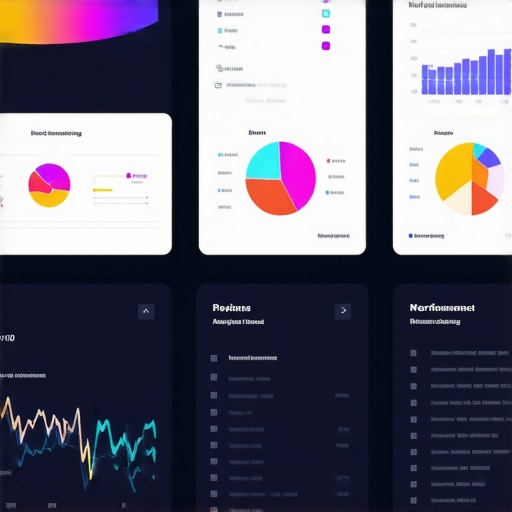
Optimal website maintenance involves using sophisticated tools like technical SEO monitoring platforms that detect crawl issues, speed drops, and security threats in real-time. An image illustrating a dashboard with analytical data emphasizes the importance of these tools in proactive website management.
What I Wish I Knew Before Overlooking Technical Details
One of the most eye-opening lessons was realizing that technical nuances—like robots.txt configurations and canonical tags—can make or break your site’s visibility. Initially, I thought content quality alone would suffice, but ignoring crawl signals? That’s like building a beautiful house and leaving the front door locked. Learning to pay attention to these behind-the-scenes factors transformed my approach and drastically improved our search presence.
Tools That Became My Secret Weapons for SEO Success
Tools such as a comprehensive technical SEO platform provide invaluable insights into crawl issues, site speed, and indexation hurdles. I trust them because they offer real-time alerts and actionable recommendations, enabling me to tackle problems proactively. Whether it’s auditing sitemap accuracy or server response codes, these tools are now essential in my SEO toolkit, helping me stay ahead of potential issues that can block subfolder indexing.
Embracing Continuous Improvement: The Real Key to SEO Longevity
Once I solved the initial crawl barriers, I realized that SEO isn’t a one-and-done task. Regular audits, monitoring analytics, and updating internal links keep your site healthy and responsive to search engine algorithms’ evolving rules. I’ve found that embracing this proactive mindset turns SEO from a chore into an ongoing strategy—one that steadily elevates your website’s authority and visibility over time.
Your Next Step in SEO Might Be Simpler Than You Think
Focus on small, consistent improvements—like refining your robots.txt, enhancing internal linking, or submitting a detailed sitemap—and watch your subfolders start earning their rightful place in search rankings. Remember, SEO mastery isn’t about quick wins but about building a resilient, well-optimized website. Want to dig deeper? Explore branding strategies that reinforce your authority and attract organic traffic in a meaningful way.