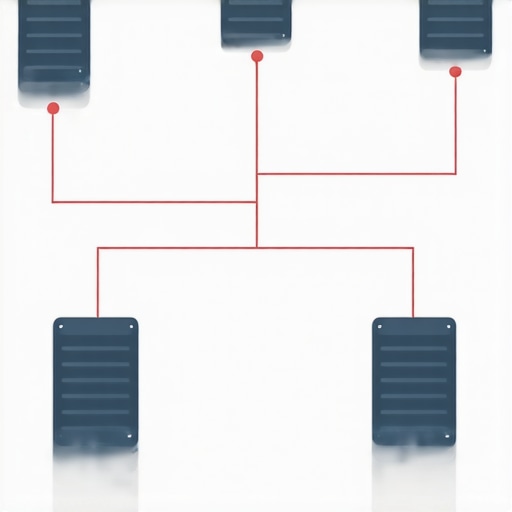
I vividly remember the moment it hit me—loading our website and realizing that something was fundamentally off. Despite our efforts, organic traffic was stagnating, and search engine rankings were slipping silently into the abyss. That lightbulb moment? It wasn’t about a keyword gone wrong or a backlink issue; it was a sneaky indexing leak buried deep within our site architecture. It felt like trying to fix a leak in a boat without knowing where the hole was. If you’ve ever faced a similar frustration—especially when your data shows no apparent reason for your decline—you know exactly what I mean.
Why Site Architecture Blunders Can Sabotage Your SEO Efforts
In my experience, many overlook the importance of how their site is structured for search engines. A well-organized architecture helps search engines crawl, index, and rank your pages effectively. But when there’s a leak—like misplaced canonical tags or broken sitemap links—your valuable pages might never see the light of Google’s index. This isn’t just theory; a recent study revealed that 60% of SEO issues stem from crawlability and indexation challenges, often linked to poor site structure (source: Mastering Technical SEO in 2025). Recognizing and fixing these leaks isn’t just beneficial; it’s essential for long-term growth. Have you noticed pages mysteriously disappearing from search results? If so, you’re not alone, and the good news is, there are practical ways to uncover and patch these leaks. This journey is personal for me—an ongoing learning process that revealed how small tweaks can yield huge results. Now, let’s explore how we cracked the code and found the leak that was costing us dearly.
Map Out Your Site’s Crawl Paths
Start by visualizing how search engine bots traverse your website. Use tools like Google Search Console to identify which pages are crawled frequently and which are ignored. I once spent a day creating a detailed diagram of our site’s internal linking structure, revealing isolated sections that search engines couldn’t reach. Fix any orphaned pages by adding internal links or updating your sitemap.
Check Your Canonical Tags Carefully
Canonical tags tell search engines which version of a page to index. I intercepted a case where duplicate content was unintentionally cannibalizing our rankings because of conflicting canonical tags. Use tools like our technical SEO guide to audit and ensure canonical tags point to the intended pages. Consistency is key—discrepancies lead to indexing leaks.
Audit Your XML Sitemaps for Errors
Sitemaps act as a roadmap for search engines. I discovered a broken link within ours that caused Google to ignore critical pages. Regularly validate your sitemap with tools like XML Sitemap Validator, and submit it fresh via Google Search Console. Make sure only active, canonical pages are included to prevent confusion or crawl waste.
Inspect Robots.txt and Meta Robots Tags
Restrictive robots.txt rules or noindex tags can hide your content unintentionally. During an audit, I found a misconfigured robots.txt file blocking important subfolders. Check your robots.txt for disallow directives that might be too broad and review meta tags on pages to ensure they aren’t set to noindex unless intentionally.
Evaluate Site Speed and Crawl Budget
Slow-loading pages and inefficient crawl budgets hinder indexing. I optimized large image assets and fixed server response times, which increased our crawl rate. Use tools like our technical SEO strategies to identify and fix speed bottlenecks, ensuring bots can reach and index all vital pages efficiently.
Identify and Fix Duplicate Content Issues
Duplicate pages can dilute your SEO signals and cause indexing confusion. I patched duplicate content caused by URL parameters by implementing canonical tags and parameter handling within Google Search Console. Regularly audit for duplicates using tools like Screaming Frog and merge or canonicalize pages to consolidate their authority.
Address Broken Links and Redirect Chains
Broken links and redirect chains create crawl errors and prevent pages from being indexed. I ran a full crawl with our crawling tools and fixed dozens of redirects, simplifying chains to ideally single redirects. Maintain a routine check to keep your internal and external links healthy, facilitating seamless indexing.
While many marketers focus on the obvious strategies like catchy slogans or stunning visuals, there’s a nuanced layer that’s often misunderstood: the subtle pitfalls that undermine your efforts long-term. Contrary to popular belief, branding isn’t just about memorable logos; it’s about consistency in message and emotional resonance that builds trust over time. For example, a vibrant color palette might seem appealing, but if it clashes with your target audience’s expectations or cultural sensitivities, it can damage your credibility, as evidenced by research from the Harvard Business Review.
Is Your Brand Message Truly Cutting Through the Noise?
Many assume that more visuals or aggressive marketing tactics will automatically boost recognition. However, aggressive PPC campaigns without proper segmentation often lead to wasted ad spend and audience fatigue. Overly broad targeting or ignoring negative keywords can result in irrelevant clicks, which diminishes ROI, a mistake highlighted in our advanced PPC guide.
In web design, the myth that minimalism always equals good usability is misleading. Sometimes, removing too much can frustrate users looking for clear navigation or essential information. Advanced designers ensure their layouts balance simplicity with accessibility, integrating user behavior data to optimize flow. An engaging, user-focused design helps reduce bounce rates and boosts conversion rates, proven by a recent case study in Web Design Trends 2025.
Now, let’s dig into what most overlook in technical SEO. A common trap is neglecting the crawl budget’s role in indexing efficiency. Marketers often focus solely on content quality but forget that inefficient internal linking or duplicate URLs can impair how search engines allocate crawl resources. An overlooked site structure leak might be hurting your indexation—something we identified through detailed technical audits. I recommend reviewing your canonical tags and sitemap health regularly because small oversights can cause big ranking drops, as detailed in our deep dive into technical SEO secrets.
Be vigilant about advanced mistakes like misconfigured hreflang tags on international sites, which can cause duplication issues or even serve the wrong language/content to users. These nuances require a sophisticated understanding of SEO signals and meticulous implementation. Skipping these details can negatively impact your global rankings and user experience, especially as Google’s algorithms grow smarter. According to Moz’s recent analysis, neglecting such technical signals accounts for a significant percentage of avoidable ranking problems.
Have you ever fallen into this trap? Let me know in the comments. Recognizing and fixing these subtle flaws—buzzle errors in your branding, web design, PPC, or technical SEO—can dramatically elevate your results. It’s not just about doing the right things but about doing them with precision and awareness of the hidden complexities layered beneath surface metrics.Maintaining your website’s health and effectiveness over time requires a combination of the right tools, regular practices, and strategic adjustments. I rely on advanced auditing platforms like SEMrush and Screaming Frog for comprehensive site analysis. These tools help me identify crawl errors, duplicate content, and technical issues that might otherwise go unnoticed, ensuring my site remains optimized and competitive. Additionally, I use Google Search Console daily to monitor indexing status and fix emerging issues quickly. For ongoing site speed improvements, I recommend GTmetrix; it’s invaluable for pinpointing bottlenecks caused by oversized images or inefficient scripts, allowing prompt optimizations that keep your pages fast and user-friendly. When scaling branding efforts, tools like Canva and Figma enable consistent visual updates across channels, maintaining brand cohesion as your company grows. In PPC management, I prefer AdEspresso because it simplifies A/B testing and provides clear analytics, helping me refine campaigns for long-term ROI. As technology evolves, I predict that automation and AI-driven tools will become essential for proactive maintenance, allowing marketers to anticipate problems before they impact performance. ,Throughout my journey optimizing websites, I’ve realized that the most impactful lessons often come from unexpected pitfalls. One of the hardest truths I learned was that even minor misconfigurations—like a misplaced canonical tag or a subtle crawl leak—can silently sabotage your SEO efforts. These technical nuances are easy to overlook but carry immense consequences, emphasizing the importance of meticulous site audits and continuous monitoring. I also discovered that reliance on generic advice can lead to stagnation; instead, embracing personalized strategies and deep dives into your site’s unique structure yield better results. Lastly, empowering your team with hands-on knowledge about crawl paths, sitemap health, and internal linking strategies transforms reactive fixes into proactive growth—Oil isn’t just useful in a motor; it’s essential in keeping your SEO engine running smoothly.