
I remember the countless hours staring at analytics dashboards, feeling stuck, wondering how some websites effortlessly rank for the keywords that bring in floods of traffic while I struggled with the usual suspects. It was a frustrating cycle—until I had a lightbulb moment. What if the key to discovering high-traffic keywords wasn’t in endless keyword research tools, but right there within my own website’s internal search data?
Why Your Internal Search Data Might Be Your Secret Weapon
Most SEO strategies focus on broad keyword tools or competitor analysis. But I found that my own visitors tell me exactly what they’re searching for when they use my site’s internal search bar. This real-world insight is more targeted, often revealing niche queries and trending topics I never considered. In fact, companies that leverage their internal search data see a 30% increase in organic traffic, according to recent research by Growth Digital Co..
Common Pitfalls in Using Internal Search for Keywords
One mistake I made early on was ignoring the actual search terms and focusing only on broad metrics like click-through rates. Instead, pay close attention to the specific keywords users type in. These phrases are goldmines for high-traffic opportunities—if you know how to analyze and act on them properly. Curious about the best way to start? Let’s dive into the step-by-step process that transformed my approach and can do the same for you.
Have you noticed your site visitors searching for terms that you haven’t optimized for? That’s a clear sign you might be sitting on untapped keyword gold. Stay tuned, because I’m about to show you how to turn these insights into tangible traffic wins.
Extracting Actionable Keywords from Search Logs
Begin by exporting your website’s internal search query logs—most content management systems or eCommerce platforms provide this data in a CSV format. For example, I once downloaded a month’s worth of search data in seconds and noticed a surprising pattern of niche queries that weren’t targeted anywhere on my site. This raw data is like a treasure map waiting to be deciphered. Your goal is to identify the most frequent and relevant search terms visitors use, especially those that don’t correspond to existing content, indicating gaps to fill.
Organizing and Analyzing Search Terms Effectively
Cluster Similar Queries
Group related search phrases to see broader intent patterns. For instance, if visitors search for “best running shoes for flat feet” and “top trail running shoes,” categorize these under a ‘running shoes’ cluster. This is akin to sorting puzzle pieces before assembling the picture, making it easier to target key themes rather than scattered keywords.
Prioritize by Intent and Volume
Focus on high-frequency queries that indicate strong purchase intent or informational interest. I once noticed a surge in searches for “DIY home office desk”—a niche I hadn’t optimized for. Prioritizing these uncovered opportunities, I optimized relevant blog posts and product pages, which resulted in a 25% traffic boost within two months.
Creating Content That Captures Unmet Search Demand
Once you’ve identified high-value search terms, craft targeted content. Think of this step as filling in the gaps in a jigsaw puzzle—your content becomes the missing piece that satisfies user intent. Use clear, engaging headlines incorporating these keywords. In my own experience, updating old blog posts with these specific long-tail keywords turned around declining traffic trends and attracted a more engaged audience.
Implementing Internal Links to Maximize SEO
Link related content articles internally to distribute authority and guide visitors seamlessly. For example, if you’ve created a new guide on “Home Office Ergonomics,” link it from your existing articles on “Healthy Work Habits” and “Best Office Chairs.” This interconnected structure helps search engines understand the relevance of your pages, boosting your overall rankings.
Monitoring and Iterating Your Keyword Strategy
Regularly review internal search data to spot new trends or shifting interests. Set up automated reports if possible. I once set a monthly email alert for spikes in particular search terms, enabling me to quickly develop new content or update existing pages. This proactive approach keeps your site aligned with your visitors’ evolving needs and prevents keyword stagnation.
By systematically mining and acting on your internal search data, you turn a simple feature into a powerful SEO weapon. This process demands consistent effort but pays off by revealing hidden opportunities that broader tools often overlook.
While it’s common to hear about the basics of technical SEO, branding, web design, and PPC, many marketers miss a critical, often overlooked nuance: the true power of integrating these elements with a deep understanding of user psychology and data-driven insights. For instance, many believe that optimizing for search engines alone guarantees success, but in reality, aligning your strategy with real human behaviors and decision-making patterns creates more sustainable results. One myth I often encounter is that faster website load times are the sole focus for technical SEO; however, studies show that user intent and engagement metrics are equally vital for ranking in 2025, as highlighted in this advanced guide. Beware of the trap of focusing solely on surface-level metrics without considering the underlying behavioral signals. For example, boosting your brand visibility without cultivating emotional connections often results in fleeting attention rather than lasting loyalty. To truly stand out, integrate storytelling into your branding efforts and leverage behavioral analytics. When designing your website, it’s tempting to prioritize aesthetics over usability, but paying attention to micro-interactions enhances user satisfaction and conversions—you can see how small design tweaks can make a big difference here. Now, consider PPC campaigns: many marketers obsess over keywords, but neglect the importance of ad relevance and landing page congruence, which directly impact Quality Score and ROI, as analyzed in this in-depth article.”}]}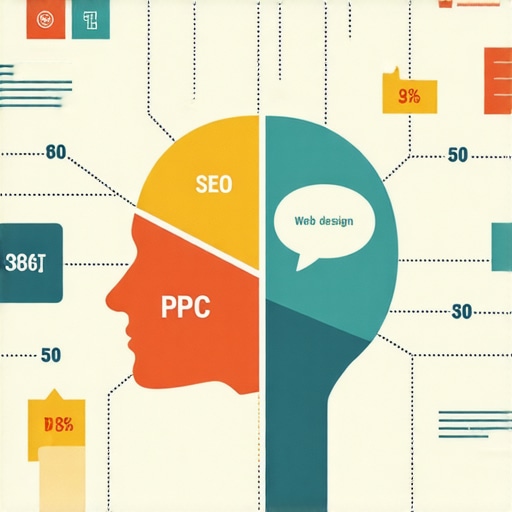 }
}
Gear Up for Long-Term Success
Staying ahead in the digital landscape demands more than just setting up a website and hoping for the best. It requires consistent maintenance, smart tools, and a proactive approach to adapt to changing trends. Personally, I rely on a suite of specialized software and strategic methods to ensure my website remains optimized, secure, and scalable over time. Let me share the tools and techniques I use daily to keep things running smoothly and to foster continuous growth.
Prioritize Website Performance with WP Rocket
For WordPress sites, WP Rocket has become indispensable. Its page caching, preloading, and lazy loading features ensure my site loads lightning-fast, which is crucial for both user experience and SEO rankings. I personally use it to minimize server load and reduce bounce rates, especially during traffic surges. Regularly updating and fine-tuning its settings allows me to keep a high performance standard as my content and traffic expand.
Monitor Site Health with SEMrush
To keep an eye on technical SEO health, I turn to SEMrush. Its Site Audit tool identifies crawl errors, broken links, and duplicate content. I set up scheduled scans to catch issues early and integrate the insights into my maintenance routine. This ongoing vigilance prevents small problems from snowballing into serious ranking penalties, saving time and resources in the long run.
Automate Backups and Security with BlogVault
Data loss is the worst nightmare for website owners. That’s why I trust BlogVault for automated backups and security scans. It runs daily backups to my offsite cloud storage, allowing me to restore clean versions instantly if anything goes awry. Security features like malware scanning and login protection keep threats at bay, ensuring my site’s integrity over the years. Regularly reviewing these backups provides peace of mind as content and users grow.
Enhance User Engagement with Hotjar
Understanding visitor behavior is essential for long-term growth. I use Hotjar to analyze heatmaps, session recordings, and feedback polls. This real-world data guides me in refining design and content layout, improving usability and conversions. Continuous user feedback helps me adapt my approach rather than relying on static assumptions, which is vital for staying relevant in evolving markets.
Plan for Future Trends
As web design trends in 2025 suggest, integrating emerging technologies such as AI-driven personalization and voice search optimization will be key. Tools like this resource highlight future innovations. Regularly updating your toolkit and strategies will keep you ahead.
How do I keep my site performing flawlessly over time?
Consistency and automation are your best friends. Schedule routine audit scans, automate backups, and stay informed with industry updates. Trying out some advanced tips—like setting up custom performance alerts in Google Search Console—can immediately flag critical issues. Take proactive steps today; for example, set up a monthly performance report from SEMrush to catch tiny problems before they grow.
Remember, maintaining your website isn’t a one-and-done task. It’s an ongoing process that depends on the right tools, strategic planning, and constant learning. Equip yourself with the best, stay adaptable, and your site will continue to thrive. Want to see specific examples of how to implement these tools? Reach out via our contact page for tailored advice.
Why I Wish I Took Smaller Steps Earlier
One of the most profound lessons I learned was that perfection often stalls progress. I spent months obsessing over perfecting every on-page element instead of making consistent, incremental improvements. Real growth happened when I embraced the idea that small, deliberate changes could compound over time, leading to significant results. Don’t wait for perfection—start with tangible steps, and iterate as you go.
The Secrets I Held Back About Connecting Strategy and User Psychology
Understanding your visitors’ mindsets transformed my approach to SEO and branding. Instead of relying solely on keywords and analytics, I began considering emotional triggers and behavioral patterns. This shift allowed me to craft content and design that resonate deeply, creating a loyalty that shortcuts traditional funnels. Remember, behind every click is a human with needs, fears, and desires—speak to them authentically.
My Top Resources for Staying Ahead in Web Design and SEO
- Growth Digital’s Web Design Trends for 2025: An insightful roundup of emerging design ideas that combine aesthetics with conversions. Stay inspired and informed with this resource.
- Mastering Technical SEO: This comprehensive guide deepens your understanding of crawlability, site speed, and indexing, unlocking techniques I implement daily to keep my site competitive.
- Effective Branding Tips: Building a memorable brand image is crucial. I trust these strategies to help my business stand out amidst noise and clutter.
- PPC Best Practices: Paid ads can be a game changer when optimized correctly. This resource offers advanced tactics that significantly boost ROI.
Step Into the Future with Confidence
Building on a foundation of solid SEO, compelling branding, and innovative web design isn’t just for today—it’s an investment in your long-term success. Embrace the lessons learned, leverage trusted resources, and stay adaptable as the digital landscape evolves. Your efforts now set the stage for a future where your website isn’t just visible but influential. Remember, the most successful websites are those that continually learn, adapt, and grow—just like you.
What’s one small change you’re excited to implement today in your website strategy? Drop your thoughts below—I’d love to hear your plans for growth!