
Have you ever launched a PPC campaign only to wonder why your competitors are consistently stealing the spotlight and draining your budget? I’ve been there—spending hours, chasing data, only to realize I was flying blind without truly understanding what my rivals were up to. That moment of frustration often leads to a lightbulb moment: I needed a clearer view into their strategies. That’s when I discovered the power of Auction Insights. It’s like getting a backstage pass to your competitors’ ad games—and trust me, it’s changed everything for me.
Why Knowing Your Competitors’ Bids Can Transform Your PPC Game
Understanding who your competitors are, how often they appear, and where they bid gives you a serious edge. It’s not just about undercutting them; it’s about adjusting your strategy based on real intelligence. Early on, I made the mistake of relying solely on click-through rates and conversion data without considering the competitive landscape. As a result, I was wasting resources on bids that weren’t even competitive, while missing out on prime real estate that others were dominating. According to a recent report, advertisers who utilize Auction Insights outperform their peers in both average position and return on investment.
Question Header: Is This Just Another Fancy Tool or a Must-Have?
At first, I wondered if Auction Insights was just hype, another feature that sounded good but didn’t deliver. My early mistake? Underestimating its potential and ignoring its data. The truth is, many marketers hesitate because they fear the complexity or believe it’s only for big budgets. That’s a myth worth busting—regardless of your size, understanding your competition can lead to smarter bids and better placements. If you’re tired of guessing why your ads aren’t winning, or you’re ready to put your PPC campaigns on steroids, keep reading. We’ll walk through exactly how to harness this tool, spot opportunities, and ultimately, beat your rivals at their own game.
Identify Your Top Competitors and Gather Data
Start by pinpointing the key players in your niche—those consistently appearing in your ad auctions. Use tools like Auction Insights to see who your competitors are, how often they compete, and their impression shares. I remember a time when I focused only on my keywords, ignoring who was bumping me out of the top spots. By analyzing competitor data, I discovered a rival bidding aggressively on a high-converting term, allowing me to adjust my bids accordingly and claim more prime real estate.
Analyze Bid Strategies and Adjust Accordingly
Look at how your competitors structure their bids—are they consistently outranking you or bidding only during certain times? This insight helps you determine whether to increase bids for valuable keywords or adopt a smarter, time-based bidding approach. I once noticed a competitor reducing bids during off-peak hours, which created an opportunity for me to bid lower and secure impressions at a lower cost, saving me money while maintaining visibility.
Leverage Placement Insights to Refine Your Targeting
Placement data reveals where your competitors are showing their ads—certain websites, apps, or devices. Use this info to identify high-value placements you may be missing. For example, I found that a rival dominated mobile device placements, prompting me to optimize my campaigns for mobile, resulting in better click-through rates and conversions. Incorporate this knowledge by adjusting your targeting settings and bids for specific placements that your competitors occupy.
Identify Gaps and Opportunities in the Market
Spot areas where your competitors are absent or bidding lightly—these are prime for gaining a competitive advantage. If you see a keyword or demographic they overlook, seize the opportunity. I once noticed competitors neglecting local keywords for a niche service, so I tailored my ads to target those hyper-local searches, rapidly increasing my market share and lowering my cost-per-acquisition.
Implement Real-Time Monitoring and Continuous Optimization
Regularly review auction insights data to stay ahead. Auction dynamics shift rapidly, so set up alerts for significant bid or impression share changes. During one campaign, I noticed a sudden drop in my competitor’s impression share, indicating they might have paused bids. Capitalizing quickly, I increased my bids and maintained the top ad position, securing valuable conversions.
Integrate Insights Into Broader Marketing and Branding Strategies
Use your learnings from auction insights to inform other marketing channels. For example, if a competitor dominates on specific keywords, investing in content marketing or SEO for those terms can diversify your visibility. Check out branding strategies to build a distinct identity that complements your paid efforts. Like I did, integrate this competitive intelligence across channels to strengthen your overall digital presence.
Stay Ethical and Compliant
While analyzing competitor data is powerful, ensure you do so ethically and within platform policies. Avoid any tactics that could be seen as deceptive or intrusive. Use insights to enhance your campaigns, not to sabotage others. Maintaining integrity not only safeguards your reputation but also ensures sustainable growth in your PPC efforts.
By methodically applying these steps, you’ll gain a nuanced understanding of your competitive landscape. This intelligence-rich approach allows for smarter bidding, better resource allocation, and ultimately, higher ROI. Dive into your data today, and turn insights into actionable wins for your PPC campaigns.

Many marketers think they have a clear grasp of PPC, branding, technical SEO, and web design, but often, hidden nuances trip them up, leading to wasted resources and missed opportunities. Let’s dig deeper into what most people get wrong and how to avoid these pitfalls, ensuring your strategies are truly effective.
Why Following Myths Can Sabotage Your Success
A prevalent misconception is that more traffic always equals more conversions. While traffic volume is essential, many overlook the importance of targeted, high-intent visitors. For example, investing heavily in broad keywords without understanding their intent can attract irrelevant clicks, draining ad budgets without boosting sales. According to a study by Search Engine Journal, over 60% of paid search budget waste stems from targeting the wrong keywords—highlighting the importance of precise intent-driven campaigns.
Similarly, in branding, many believe that a flashy logo or slogan is enough to build loyalty. However, consistent messaging across channels and authentic storytelling are what truly resonate with audiences. Neglecting this leads to a disjointed brand experience, reducing trust and recall.
What Advanced Marketers Know About Technical SEO That Beginners Miss
Technical SEO isn’t just about fixing broken links or optimizing meta tags; it’s about creating a foundation that allows search engines to understand and rank your site effectively. Many overlook core aspects like site architecture, schema markup, and crawl budget management, which significantly impact rankings. Mastering these elements can be the difference-maker in competitive niches. For in-depth strategies, check out this guide on mastering technical SEO.
One common mistake is over-optimizing anchor text, which can trigger penalties. Use natural, varied anchor text, blending branded, generic, and keyword-rich links to maintain a healthy link profile.
In web design, many assume that aesthetics are what matter most. While visuals play a role, usability and speed are often more critical. Slow-loading, cluttered sites drive visitors away faster than you can blink. Emphasizing clean, responsive design with optimal load times improves engagement and conversions. Explore the latest web design trends for 2025 to stay ahead.
Another sneaky trap is ignoring mobile optimization. With over 60% of web traffic coming from smartphones, a non-responsive site not only harms user experience but also risks lower search rankings. Tools like Google’s Mobile-Friendly Test can help identify issues early.
What early mistakes can undermine your branding efforts permanently?
One mistake is neglecting the emotional aspect of branding. Brands that fail to establish a compelling story or authentic voice struggle to forge genuine connections. For instance, inconsistent tone or visuals confuse your audience, diluting your message. To craft a memorable brand, leverage effective storytelling and ensure your visual identity aligns across platforms. For detailed branding techniques, visit this comprehensive branding guide.
Additionally, brands often forget to monitor and adapt. Market dynamics change rapidly; what worked last year might not work today. Conduct regular audits, gather customer feedback, and be ready to pivot your messaging or design accordingly. Staying agile is key to long-term success.
In conclusion, understanding and addressing these hidden nuances can elevate your strategies from average to exceptional. Recognize your assumptions, regularly audit your tactics, and stay informed with the latest insights. You’ll turn common pitfalls into opportunities for growth. Have you ever fallen into this trap? Let me know in the comments, and share your experiences. For personalized advice, don’t hesitate to reach out today.
Keeping It Working: Essential Tools and Techniques for Sustained Digital Success
Once you’ve set up your PPC campaigns, branding strategies, and technical SEO foundations, the next challenge is maintaining their effectiveness over time. The digital landscape constantly evolves, and so must your tools and practices. To keep your campaigns performing optimally, integrating reliable tools and adopting disciplined workflows are crucial. One tool I personally rely on is SEMrush. I’ve found its comprehensive SEM and SEO audit features invaluable for spotting website issues before they escalate. Regularly scheduling audits with SEMrush helps me catch broken links, duplicate content, and technical errors that could harm rankings, aligning with recommendations from this technical SEO guide. Additionally, I use Google Analytics to monitor ongoing website performance and user behavior. Setting up custom dashboards allows quick checks on key metrics, ensuring my site remains aligned with my goals and industry standards.
How do I keep my SEO and PPC efforts thriving long-term?
Consistency is key. Establish a routine for reviewing your analytics, updating your keyword lists, and adjusting bids based on recent performance data. I recommend setting bi-weekly reviews—this cadence keeps you ahead of market shifts without becoming overwhelming. Automating certain maintenance tasks via tools like AIOSEO for technical SEO or WordStream for PPC management can save hours and ensure your campaigns stay current. Over time, these habits compound, leading to gradual but steady improvements in ROI and brand visibility.
Predicting future trends means staying adaptable. For example, voice search optimization is becoming more critical; tools like this new expert guide suggest integrating natural language keywords into your SEO efforts now. Incorporating emerging technologies such as AI-driven chatbots or adaptive website design, as covered in these upcoming trends, will also keep your digital presence competitive.
Stay Current with Technology to Maximize Impact
Tools evolve, and so do best practices. Regularly updating your software stack ensures you leverage new features that can boost efficiency. For example, recent advances in web design, discussed in these trends, illustrate how responsive, user-centric design enhances conversions. Embracing these updates not only keeps your site looking modern but also helps maintain search engine rankings and user engagement.
In practice, I’ve found that dedicating a few hours monthly to perform comprehensive site reviews, update tools, and refine strategies pays dividends in sustained performance. Developing a checklist for routine maintenance—covering technical SEO, ad management, and user experience—ensures nothing slips through the cracks and keeps your digital infrastructure resilient.
Get Hands-On: Test Your Maintenance Routine Today
To implement these long-term practices, start by scheduling a quarterly full audit of your website’s technical health using SEMrush or similar tools. Automate keyword and bid adjustments where possible, and keep your website design fresh with the latest trends. Remember, consistency and adaptability are the backbone of sustained digital success. Try setting up a monthly review process today—your future self will thank you.
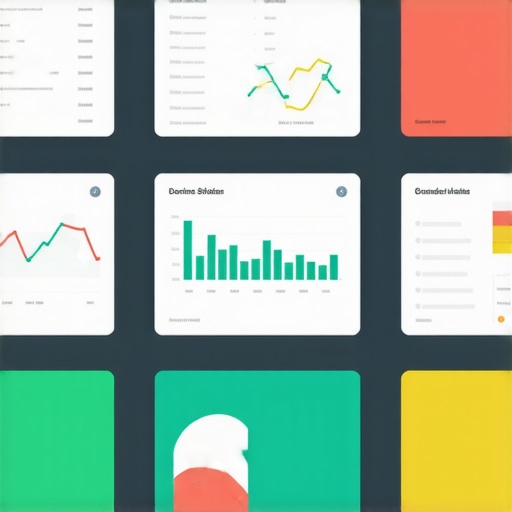
Visualize your ongoing efforts with an illustrative dashboard showing analytics, SEO health scores, and campaign performance metrics—these help keep your strategy on track and motivate continuous improvement.
Lessons Only A Digital Veteran Can Share
- Early on, I underestimated how much competitor bidding behavior impacts my campaign’s success, which led to wasted budget and missed opportunities. Recognizing this was a pivotal moment that transformed my approach.
- One of the hardest lessons was seeing how technical SEO nuances, like schema markup and crawl budget management, directly influence visibility, often more than I initially believed. Mastering these has consistently improved my rankings.
- Initial branding efforts were superficial—focusing on visuals without aligning messaging across channels. Deepening my storytelling and brand voice created authentic connections that drove loyalty beyond quick wins.
- Ignoring automation and routine auditing made me blind to shifting market dynamics. Implementing regular analysis routines with trusted tools turned routine maintenance into a competitive advantage.
- I’ve realized that integrating insights across PPC, branding, and SEO results in a synergistic effect—each channel supports and amplifies the others, leading to sustained growth.
My Favorite Digital Growth Resources
- SEMrush: I rely on its comprehensive audit features to catch and fix website issues early, maintaining optimal SEO health and campaign performance.
- Google Analytics: Setting up custom dashboards and alerts has been instrumental in monitoring ongoing performance and making data-driven decisions.
- This guide on mastering technical SEO: It opened my eyes to foundational elements that many overlook but are crucial for ranking success.
- PPC strategies that maximize ROI: It provides proven tactics to refine ad spend and target precisely, saving money while boosting conversions.
- Branding insights: Building a consistent, authentic brand voice has been a game-changer for customer trust and engagement.
Your Next Move in Digital Mastery
Don’t let this be just another read—apply these lessons, leverage these tools, and watch your digital presence evolve beyond the basics. Growth is a continuous journey, and each insight can be a stepping stone toward greater success. Ready to implement what you’ve learned about PPC, branding, and technical SEO? The future of your digital dominance starts now.
What’s one challenge you’ve faced in integrating competitor insights into your campaigns? Share your story below—I’d love to hear how you’re pushing your boundaries today.