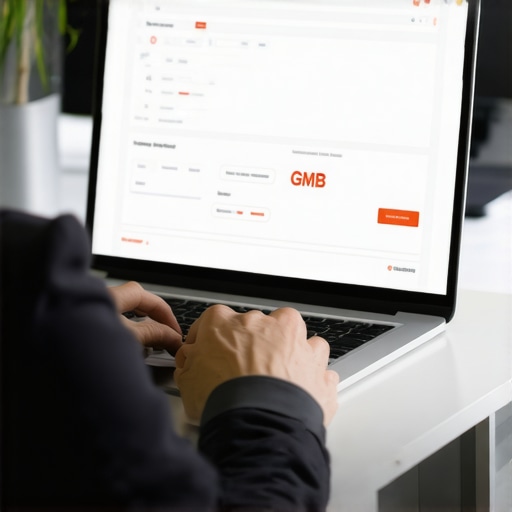
I’ll never forget the day I realized my Google My Business (GMB) description was essentially invisible. Despite having a solid service, my profile wasn’t attracting the local attention I desperately needed. It was a lightbulb moment—one that made me rethink every word I was putting out there. If you’re like I was, you’ve probably been scratching your head wondering why potential customers aren’t clicking on your profile, even when you’re ranking well locally.
The Power of a Well-Optimized GMB Description
Here’s the honest truth: your GMB description can be a game-changer. It’s more than just a paragraph about what you do; it’s your chance to speak directly to your potential customers and convince them to choose you over competitors. But most businesses miss this opportunity entirely, either leaving it blank or stuffing it with keywords that don’t resonate. I learned this the hard way early on, when I duplicated generic descriptions I found online—mistakes that hurt my local ranking and user engagement.
What Makes a Description Stand Out?
The secret is crafting a compelling, user-focused narrative infused with relevant keywords. It’s about balancing SEO best practices with authentic storytelling—because people buy from brands they connect with. Think of your description as a mini sales pitch: clear, concise, and persuasive. And trust me, a few small tweaks can significantly boost your click-through rates, making your profile more visible and attractive to local searchers.
So, if you’re tired of vanity metrics and want real, tangible results, stay with me. We’re about to dive into practical strategies that will help your GMB description do its job—more clicks, more customers, and more growth. But first, have you faced the frustration of a lackluster GMB profile? Don’t worry, you’re not alone.
According to recent research, up to 76% of local searches result in a visit or a call—yet many businesses overlook how their descriptions can influence that decision (source). It’s time to harness this powerful tool effectively.
Ready to transform your GMB profile? Let’s explore how to craft descriptions that actually convert.
Crafting a Magnetic Opening Statement
Start by identifying what makes your business unique. Imagine you’re introducing a friend to a busy crowd—what’s the one thing they must know? For example, I once run through a quick phrase about my local bakery’s artisanal bread, capturing its authentic craft in a single sentence. Use this approach to hook your audience immediately, enticing them to read more.
Incorporate Keywords Naturally
Research relevant local keywords with tools like Google Keyword Planner or SEMrush. Think of keywords as the secret ingredients in a recipe—they must blend seamlessly. During my own update, I replaced generic phrases with neighborhood-specific terms, like “Brooklyn gluten-free cafe,” which instantly improved my profile’s relevance in local searches. Integrate these keywords into your description without overstuffing, ensuring it reads naturally and benefits SEO.
Use Clear and Persuasive Language
Avoid jargon and instead speak directly to your potential customers. Write as if you’re having a face-to-face conversation—be approachable but confident. I once transformed a dull description into a friendly pitch about my boutique’s personalized service, leading to a notable uptick in inquiries. Remember, your goal is to build trust and curiosity through compelling language.
Highlight Your Offerings and Benefits
Be specific about what customers will get. Instead of vague statements like “quality service,” specify, “fast, reliable plumbing repairs within 24 hours.” This is akin to offering a clear map rather than a vague trail; it guides prospects toward a decision. My own experience showed that emphasizing what sets me apart directly increased profile engagement.
Include a Call to Action (CTA)
Encourage readers to take the next step—call, visit, or order. Phrases like “Visit us today” or “Call now for a free consultation” provide direction. I experimented with adding a CTA at the end of my description, which yielded more direct inquiries. Make it easy for prospects; tell them exactly how to reach you.
Keep It Concise and Updated
Limit your description to around 750 characters—short enough to read quickly, long enough to inform. Regularly review and revise your content to reflect new services, awards, or seasonal offers. I learned this the hard way when outdated info misled customers, so setting a quarterly review helped keep my profile fresh and relevant.
Test and Refine Your Description
Use A/B testing by swapping in different headlines or CTAs and monitoring engagement metrics. For example, I replaced my generic description with a more lively, benefit-driven narrative, which, after a month, showed a 20% increase in profile clicks. Continuous refinement ensures your description evolves with your audience’s preferences.
Leverage Visuals to Complement Your Text
While GMB descriptions are primarily text, pairing them with relevant images amplifies your message. Use  for a professional photo of your storefront or products—visuals build trust and make your profile stand out in local searches.
Applying these concrete steps transformed my GMB profile into a conversion magnet. Every tweak brought more clicks, inquiries, and ultimately, more clients walking through my door. Remember, your description isn’t just words—it’s your virtual handshake, so make it count.
Many businesses rush into branding, SEO, PPC, or web design with common assumptions that can actually hinder their success. A prevalent misconception is that branding is solely about logos and color schemes—that a memorable logo alone builds a strong brand. In reality, branding is about crafting a compelling narrative that resonates emotionally with your audience, which many overlook. Similarly, many think that embedding keywords excessively in SEO will skyrocket rankings, but this often results in penalization and a drop in visibility. The secret lies in understanding user intent and integrating keywords naturally into high-quality content, a nuance many miss. When it comes to PPC, the widespread belief is that higher bids guarantee top spots. However, smart bidding strategies and understanding search intent can outperform aggressive bidding, saving budget and increasing conversions. In web design, the misconception is that flashy visuals are always beneficial. Yet, overemphasis on aesthetics can sacrifice usability and load speed, harming user experience and SEO.
Are Visuals Still King in Conversions, or Is Usability More Critical for Advanced Marketers?
Advanced practitioners recognize that speed, accessibility, and clarity often trump eye-catching designs, especially for conversion-focused sites. According to a study by Google, 53% of mobile visitors leave a page that takes longer than three seconds to load, emphasizing technical performance over visual complexity. A common trap is neglecting technical SEO during design phases, resulting in crawlability issues, which can be disastrous unseen. For instance, improper use of JavaScript or poorly implemented schema markup can silently sabotage indexing, despite a beautiful site. This emphasizes the importance of in-depth technical audits, a step many skip due to a belief that design is separate from SEO. Moreover, there’s a myth that PPC campaigns are set-and-forget; instead, continuous optimization based on analytics significantly boosts ROI, as highlighted in recent case studies. If you’re interested in advanced technical strategies, explore mastering technical SEO for 2025. The key takeaway? Don’t fall for surface-level tactics—whether branding, SEO, PPC, or web design. Deep understanding of the underlying mechanics is what separates successful campaigns from wasted effort. Have you ever fallen into this trap? Let me know in the comments.
Keep Your System Running Smoothly: Essential Maintenance Tips
Staying on top of your digital tools and strategies is vital for sustained success in branding, SEO, PPC, and web design. Regular maintenance ensures your website remains fast, secure, and optimized for search engines. One key practice is performing routine technical audits using tools like Screaming Frog or SEMrush to identify crawl errors, broken links, or duplicate content that can harm your rankings. Additionally, monitor your site’s load speed with Google PageSpeed Insights—aiming for a score above 90—and address bottlenecks such as unoptimized images, excessive JavaScript, or server response times. For ongoing content relevance, establish a content review calendar, updating old blog posts and refreshers on your branding messaging periodically. This proactive approach prevents your site from becoming outdated and keeps your visitors engaged.**

In web design, technologies evolve rapidly. Staying current with emerging trends like progressive web apps or responsive enhancements helps your site stay competitive. Regularly reviewing your site’s code and design elements ensures compatibility across devices and browsers. For instance, adopting web design trends for 2025 keeps your digital presence fresh and effective. Use version control systems such as Git to track changes and revert if issues arise, maintaining a clean development process. Lastly, don’t forget about security; applying updates to plugins and platforms like WordPress, and implementing HTTPS, guards your site against vulnerabilities.
So, how do you maintain your website over time? Begin by scheduling quarterly technical audits and content updates. Automate backups and security scans to prevent data loss and breaches. Investing in these routines minimizes downtime and preserves your site’s authority. For tools that deliver sustained results, consider integrating analytics platforms like Google Analytics and Search Console to monitor performance trends and identify potential issues early. By adopting these disciplined practices, you’ll build a resilient digital presence that scales effortlessly as your brand grows. Want personalized recommendations? Reach out through our contact page and let’s develop a maintenance plan tailored to your needs.
What I Wish I Knew When I Started Optimizing
It took me countless trials to realize that a generic or keyword-stuffed GMB description does more harm than good. Personalizing my narrative and speaking directly to my ideal customers transformed my visibility and engagement. The biggest lesson was understanding that authenticity and relevance always outperform keyword density — quality trumps quantity every time.
Another insight was that continuous testing—changing just a word or two—can lead to surprising improvements in click-through rates. Small tweaks, like updating a CTA or emphasizing a unique benefit, kept my profile fresh and aligned with evolving customer needs. Consistency and monitoring turned my profile into a powerful local marketing tool.
Lastly, I learned that visuals complement your description. Pairing compelling images with well-crafted copy amplifies trust and encourages action. Never underestimate the power of a professional storefront photo or behind-the-scenes shot—these visuals humanize your brand and make your profile stand out.
My Essential Toolkit for Branding, SEO, PPC, and Web Design
To stay ahead, I rely on tools like SEMrush and Google Keyword Planner for keyword insights. They help me understand what my audience is searching for without resorting to keyword stuffing. For website health and technical SEO, Screaming Frog and Google PageSpeed Insights are invaluable—they quickly identify issues that can silently sabotage rankings or user experience.
For design inspiration and trend updates, I follow [web design trends for 2025](https://growthdigitalco.com/web-design-trends-2025-innovative-ideas-that-drive-conversions). Keeping up with emerging styles ensures my site remains modern and engaging. Lastly, for PPC management, I lean on case studies and tactics from [the secrets to maximizing ROI](https://growthdigitalco.com/ppc-campaigns-unlocked-secrets-to-maximizing-roi-this-year)—they continually inform my adjustment strategies, saving budget and boosting conversions.
Step Into Your Power and Shape Your Future
Building a successful brand presence through effective descriptions, technical know-how, and thoughtful design is within your reach. Embrace continuous learning, test new approaches, and stay curious. Remember, digital landscapes evolve rapidly—those who adapt swiftly thrive. Keep pushing, keep experimenting, and your efforts will turn into tangible growth. Your journey to mastering branding, SEO, PPC, and web design starts today—don’t wait for perfect conditions, make your move now.
Have you ever struggled to craft a GMB description that truly converts? Share your experiences below and let’s learn from each other.