
It hit me one frustrating afternoon while scrutinizing my website’s crawl stats—no matter what I did, certain pages just refused to be indexed properly. I had optimized keywords, cleaned up duplicate content, yet my site’s depth seemed to be holding me back. That lightbulb moment revealed a problem I’d overlooked: the depth of my site structure was sabotaging my crawl efficiency and, ultimately, my SEO performance.
Understanding Website Depth and Its Impact on SEO
When I started diving into technical SEO, I realized that site depth—the number of clicks it takes to reach a page from the homepage—plays a crucial role in how search engines crawl and rank your content. If your important pages are buried too deep, search bots may crawl them less frequently, leading to lower visibility. According to a study by Search Engine Land, pages that are more accessible tend to get crawled and indexed faster, giving your SEO efforts a significant boost.
But why does this happen? Search engines prioritize crawl efficiency. The deeper a page is, the more resources they need to reach it—much like a maze that gets more confusing the further you go. And with limited crawl budgets, especially for large sites, it’s easy to see why pages buried deep might be neglected.
Have you ever wondered if your site structure could be hiding your best content from Google? I certainly did, and my early misstep was making the mistake of assuming a complex, multi-layered navigation would impress users and search engines alike. Instead, I learned that the more levels between the homepage and your pages, the less likely they are to be crawled effectively.
In my next posts, I’ll share practical strategies to optimize your site depth—ensuring your pages are within reach for search bots and giving your SEO the boost it needs. Interested in a deep dive into technical SEO tactics? Check out this comprehensive guide for more insights to master crawlability and site performance.
Map Your Existing Site Structure
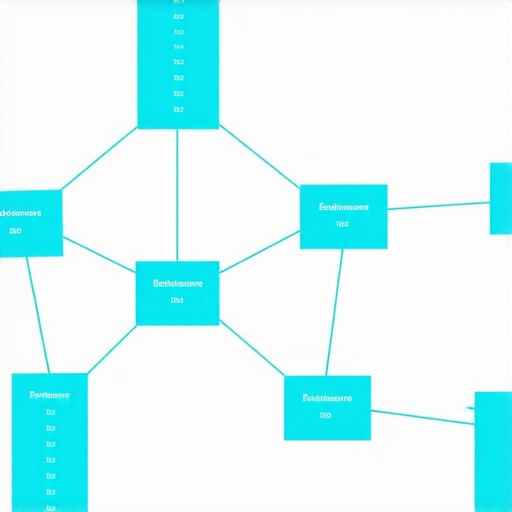
Begin by creating a visual map of your website’s current architecture. Use tools like Screaming Frog or Sitebulb to crawl your site and generate a sitemap that highlights the depth of each page. I once used Screaming Frog to visualize my health blog’s architecture, revealing that many high-value articles were buried five or more clicks from the homepage, just like navigating a labyrinth. Recognizing these long paths allowed me to prioritize crucial pages for restructuring.
Prioritize High-Impact Pages
Identify your most valuable content—products, lead-generating articles, or cornerstone pages—and ensure they are within three clicks from your homepage. Think of it as placing essential items within arm’s reach in a shop; customers find them quickly, and search engines crawl them efficiently. When I realigned my blog’s architecture, I moved top-performing articles closer to the homepage, resulting in faster indexing and an uptick in organic traffic.
Implement Flat Site Architecture
Design your navigation so that main categories and important pages are directly accessible from the homepage. Use breadcrumb menus and clear internal linking to reduce click depth. I improved my site’s structure by adding top-level links to key pages from the main menu, which reduced the average click depth from 4.5 to under three and improved crawl frequency.
Use Internal Linking Wisely
Strategically add internal links from high-authority pages to deeper pages to boost their crawlability. For example, linking from your homepage or category pages to individual articles signals their importance. I applied this by revisiting my content and inserting contextual internal links, leading to increased indexing speed and better keyword rankings.
Leverage Canonical Tags to Avoid Duplicate Clutter
Ensure that each page has a canonical tag pointing to the preferred version, preventing search engines from getting lost in duplicate content. During a site audit, I discovered multiple URLs leading to the same content. Applying canonical tags directed search engines to the main page, consolidating link equity and preventing crawl waste.
Optimize URL Structure for Clarity and Hierarchy
Create URLs that reflect your site’s hierarchy, such as www.yoursite.com/category/subcategory/page. This clarity helps search engines understand your site’s architecture and prioritize crawling. I restructured my URLs to better mirror my categories, which improved both user experience and crawl efficiency.
Regularly Audit and Adjust Your Structure
Use tools like Google Search Console or your crawl software to monitor crawl errors, orphaned pages, or excessive click depths. Schedule quarterly audits to refine your architecture. When I performed regular checks, I caught and fixed deep or orphaned pages, ensuring important content remained accessible and discoverable.
Balance User Experience and Crawl Efficiency
While reducing click depth is vital, don’t sacrifice site usability. Maintain intuitive navigation that guides visitors naturally without creating a maze. My experience taught me that a clean, logical structure improves both SEO and visitor satisfaction, leading to higher engagement and conversions.
 Many digital marketers and webmasters operate under the misconception that mastering surface-level strategies is enough to succeed online. In reality, the true game lies in understanding the subtle nuances that differentiate average results from exceptional performance. For example, a common myth is that aggressive keyword stuffing or superficial design makes a site rank higher or convert better. However, advanced SEO experts know that over-optimization can lead to penalties and degrade user experience. Experience has shown me that true expertise involves recognizing and avoiding such pitfalls.
Why Do Some Well-Designed Websites Still Struggle to Rank?
It’s tempting to believe that a visually appealing site guarantees high rankings, but the reality is more complex. Factors like site speed, structured data implementation, and internal linking nuances play critical roles. For instance, neglecting schema markup can prevent search engines from understanding your content deeply, which impacts rich snippets and visibility. According to this guide, technical SEO intricacies often hold the key to surpassing competitors relying solely on design or content quality.
This is where the trap of relying on conventional wisdom becomes evident. Many focus solely on backlinks or keyword density but overlook the importance of semantic HTML, microformats, and structured data that can significantly influence rankings. Failing to leverage these advanced tactics can leave a site invisible to feature snippets or voice search—a mistake that more brands are making now.
What Are the Common Mistakes in PPC and How to Avoid Them?
In paid campaigns, the false belief that bidding higher guarantees conversions persists. Yet, data shows that smarter bid strategies integrating audience segmentation and negative keywords outperform aggressive spending. For example, neglecting negative keywords can lead to wasted ad spend on irrelevant traffic, reducing ROI. Implementing meticulously crafted audience segments, as outlined here, ensures your ads reach the right eyes at the right time. This advanced approach differs markedly from naive bid maxing, which often depletes budgets on low-value clicks.
Additionally, many overlook the importance of ad copy alignment with landing page content. Mismatched messaging causes high bounce rates and poor quality scores—and many don’t recognize that aligning your PPC and SEO strategies creates a synergistic effect, amplifying overall visibility and conversions.
How Can Branding Strategies Trap You Into Inaction
While branding seems straightforward—logo, tone, mission—many underestimate its hidden power. A common mistake is focusing solely on visual identity without integrating your brand voice across customer interactions. An inconsistent tone weakens trust and brand recall. According to this resource, honing a distinctive, humanized voice that resonates with your target audience builds loyalty and advocacy. Often, brands that neglect this emotional connection see stagnant growth despite excellent visuals.
Furthermore, overcomplicating brand messaging or resisting adaptation to emerging trends can cause perceived inauthenticity. The balance lies in maintaining core values while staying agile—a nuance that many overlook, leading to missed opportunities for differentiation.
In web design, SEO, PPC, and branding alike, these overlooked details can mean the difference between falling behind and leading the pack. Have you ever fallen into this trap? Let me know in the comments. Remember, digging into these subtle distinctions accelerates your mastery and ensures your strategies aren’t just good enough but truly exceptional.
Maintain Your Website with Precision Tools
Staying on top of your website’s health isn’t a one-time task—it’s an ongoing process that requires reliable tools and deliberate routines. I personally rely heavily on Screaming Frog SEO Spider for regular site audits; its ability to crawl large sites and identify issues like broken links, duplicate content, or meta problems helps me catch problems before they escalate. Additionally, I use Google Search Console daily to monitor crawl errors and discover indexing issues—it’s indispensable for maintaining visibility.
Automate Routine Checks to Save Time
Automation tools such as Zaps integrating with your analytics and webmaster tools can send you alerts about critical metric fluctuations or crawl issues. I set up workflows that notify me immediately if pages drop out of indexing or if site speed drops below my set threshold. This proactive approach ensures that small issues don’t become ranking disasters.
Track Long-Term SEO and Design Results
Consistent measurement is key. I track key performance indicators like organic traffic, bounce rates, and conversion metrics over quarterly cycles using Google Analytics and custom dashboards. This data-driven approach allows me to see whether my recent optimizations, like site restructuring or content updates, deliver sustained improvements, or if adjustments are necessary. Remember, technical SEO isn’t a set-it-and-forget-it game; it demands persistent oversight.
Scale Your Strategies Thoughtfully
As your site expands, scaling your maintenance becomes challenging. Implementing modular workflows and using tools like SEMrush helps automate competitor analysis, backlink audits, and keyword tracking—keeping your strategies sharp without overwhelming your team. With emerging trends moving towards AI-driven insights, I predict a rise in smarter, more adaptive tools that forecast issues before they happen, much like these Python scripts predict upcoming indexing challenges.
How do I maintain my site’s health and SEO momentum over time?
The best way to stay ahead is by establishing a routine of regular audits, leveraging automation, and embracing emerging technologies. Try scheduling weekly site checks with Screaming Frog and setting up automation workflows that alert you to potential issues. Consistent monitoring paired with the adoption of innovative tools ensures your website remains resilient, search-friendly, and primed for growth. Don’t hesitate to explore new solutions—adapting your toolkit is essential to long-term success in web design and SEO.
Lessons That Stung and Shaped Me
The hardest lesson I learned about technical SEO was that superficial fixes won’t elevate your site long-term; true success requires digging into the structure and understanding crawl behavior. Once, I believed content quality alone would carry me, but I realized that a shallow site architecture limits visibility, regardless of great content. That eye-opening realization pushed me to reevaluate and implement site depth optimization strategies, which dramatically improved indexing speed and rankings.
Another insightful moment was discovering how internal linking acts as an expressway for search engines. I once neglected strategic internal links, leading to important pages being buried or ignored. When I started consciously linking from high-authority pages to deeper content, crawlability and PageRank distribution improved, directly impacting my SEO performance. Learning that internal link juice needs proper routing was pivotal for my growth.
Lastly, I faced the misconception that site speed was a technical afterthought. It wasn’t until I experienced how slow-loading pages hampered user engagement and search rankings that I prioritized performance optimization. Resources like these tools changed my approach, making proactive site health management a cornerstone of my strategy, ensuring both users and crawlers are welcomed efficiently.
My Arsenal of Tools for Ongoing Success
To keep my SEO sharp, I rely heavily on Screaming Frog SEO Spider—it’s invaluable for uncovering crawl issues, broken links, and duplicate content. I trust it because of its comprehensive crawl insights and ease of use. Additionally, Google Search Console keeps me informed about indexing status and crawl errors directly from Google, making it essential for real-time health checks. For strategic content analysis, I turn to the master guide on technical SEO—it’s where I refined my understanding of crawlability, speed, and site structure, which are fundamental for long-term growth.
When planning improvements, I use Python scripts for automation, allowing me to audit large sites efficiently and identify hidden issues before they impact rankings. These tools, combined with regular audits, form the backbone of my site maintenance routine, helping me stay ahead in the ever-evolving SEO landscape.
Embrace the Journey: Elevate Your Website Today
Stepping into advanced insights about site structure and crawl strategy is more than technical—it’s a mindset shift that can redefine your digital presence. Don’t let misconceptions or surface-level tactics hold you back from reaching your full potential. Every tweak and audit you undertake builds a more resilient, visible, and trusted online platform. The road may be complex, but with the right tools and persistence, your website can truly stand out in the crowded digital world.