
I remember the moment clearly. Our small local shop was invisible on the map. Despite our hard work and community presence, potential customers searching for us near me always found competitors with flashy ads and paid promotions. It felt like an uphill battle—until I realized that there’s a way to make your business stand out organically, without pouring money into ads. If you’ve ever felt frustrated because your business isn’t showing up where it matters most, you’re not alone. And good news: I’ve cracked the code that helped us move up in local search results naturally.
The Hidden Power of Local SEO
In my early attempts, I made the mistake of thinking that creating a single business listing was enough. I overlooked the importance of optimizing that listing and leveraging local signals that Google cares about. According to a Semrush report, over 70% of local buyers visit a store within a 5-mile radius, often choosing the first few options in local searches. That’s a huge opportunity that many businesses miss because they don’t understand how the local map pack works or how to work with it naturally. The key is not just being present, but being visible to the right people, in the right way—without paying for every click.
Is Local SEO Still Worth the Effort?
When I first started, I was skeptical about whether organic tactics could really move the needle. I spent money on courses and tools, but without a solid foundation in local SEO, results were slow. I learned that many pitfalls, like neglecting NAP consistency or ignoring local citations, sabotaged my progress. A lesson I’ll never forget: investing in quality content and accurate information on local directories made a bigger difference than I expected. If you’re wondering whether all this effort is worthwhile, remember that research from BrightLocal shows that 78% of local mobile searches result in an offline purchase. Clearly, the power is in your hands. Ready to learn how to do it right? Let’s dive into the practical strategies that upgraded our local presence and can do the same for you.
Optimize Your Google My Business Listing
Claim and verify your GMB profile immediately. Fill out all information accurately, including your NAP details, hours, services, and a compelling business description. Use primary keywords naturally without overstuffing. Upload high-quality photos regularly, showcasing your location, team, and offerings. Keep your profile fresh and engaging to improve visibility in the local pack.
Build a Consistent NAP Across Platforms
Ensure your Name, Address, and Phone number match exactly everywhere—website, directories, social media. Inconsistent info confuses search engines and lowers your rankings. Use tools or automated checks to audit your listings periodically. Consistency amplifies your local authority, making your business more trustworthy to Google and potential clients.
Leverage Local Citations and Directory Listings
Submit your business to reputable local directories like Yelp, Bing Places, and industry-specific sites. Focus on high-authority sources that matter in your niche. Maintain uniform NAP info across all listings. This boosts your local relevance and increases inbound links, which are vital signals for search engines. For an advanced approach, consider targeting high-value citations.
Create Local Content That Resonates
Develop content tailored to your neighborhood or community. Write blog posts about local events, success stories, or guides specific to your area. Incorporate local keywords naturally, avoiding spammy practices. For example, share a story about a recent project completed in your city, including the neighborhood name and landmarks. This enhances your relevance for “near me” searches and builds community trust.
Optimize Website for Local Intent
Embed your city and regional keywords into your website’s titles, headers, and meta descriptions. Use local schema markup to help search engines understand your location context clearly. Implement a dedicated contact page with a map and directions. Prioritize mobile responsiveness, as most local searches happen on smartphones. For design inspiration, review modern web design trends to ensure your site appears trustworthy and professional.
Gather and Showcase Reviews Strategically
Encourage satisfied customers to leave detailed reviews on your GMB profile and other relevant sites. Respond promptly and genuinely to all feedback to boost engagement and trust. Positive reviews serve as social proof and can influence local rankings significantly. To streamline this, send follow-up messages or use review generation tools without being pushy.
Monitor and Refine Your Efforts
Use tools like Google Search Console and local SEO dashboards to track your rankings, traffic, and citations. Analyze which strategies yield the best results and adjust accordingly. Consistent monitoring prevents your efforts from stagnating and ensures you stay ahead of competitors.
Many marketers and business owners focus on surface-level tactics like keyword stuffing or flashy web elements, but the true pitfalls lie in deeper, often misunderstood nuances. One common misconception is that optimizing for search engines means stuffing keywords into every corner, but in reality, this can hurt your rankings and user experience. As I’ve learned from years of experience, subtle issues like canonical loops or crawl budget mismanagement can sabotage your efforts without obvious signs. These advanced mistakes can be the difference between organic growth and stagnation.
In web design, many believe that a visually stunning site automatically converts visitors. However, ignoring principles like visual hierarchy or mobile user experience—especially on modern sites—can trap you in high bounce rates. For instance, a site with slow load times due to unoptimized images or excessive scripts will lose potential customers before they even see your content. Dive into web design trends to stay ahead of these pitfalls.
When it comes to PPC, a typical mistake is to rely solely on broad match keywords or set-and-forget campaigns. This approach diminishes ROI and wastes budget on irrelevant clicks. Advanced advertisers understand the importance of negative keyword analysis and audience segmentation to refine targeting. For in-depth strategies, check out PPC optimization tactics that go beyond basic setup.
Branding often gets simplified as just having a logo and a slogan, but the nuanced truth involves a consistent voice, visual identity, and emotional positioning. Overlooking these elements can cause your brand to look generic or disconnected. Effective branding is about creating a memorable identity that resonates deeply with your target audience. For proven techniques, explore branding strategies that truly make your business stand out.
Now, a question for the advanced thinker: How can you identify and fix subtle technical SEO issues like canonical loops or crawl budget leaks that could severely limit your organic visibility without obvious signs? The answer lies in comprehensive audit tools and understanding Google’s crawling behavior, as outlined in advanced SEO techniques. Recognizing and addressing these hidden issues requires an analytical eye and familiarity with in-depth audit processes.
Let’s be honest—are you falling into these common traps that undermine your digital efforts? Share your experiences in the comments, and let’s explore how to overcome these advanced challenges together.
Stay on Top of Your Website Maintenance with Precision Tools
Ensuring your website remains fast, secure, and optimized requires leveraging the right tools and establishing solid routines. I personally rely on Screaming Frog SEO Spider for comprehensive site audits. It helps identify crawl errors, broken links, and duplicate content that can silently damage your search rankings. Regularly running this tool keeps me ahead of technical issues, especially as my site grows or content updates are made. Additionally, Google Search Console remains indispensable for monitoring indexing issues and understanding how Google perceives your site. Integrating these tools into my maintenance routine allows me to catch problems early, avoiding costly penalties or performance dips.
How do I maintain technical health over time?
Consistency is key. I schedule weekly site checks using these tools, set up automated alerts for critical errors, and document fixes in a maintenance log. This practice ensures that I don’t overlook issues like canonical loops or crawl budget leaks. For example, addressing {{https://growthdigitalco.com/unlocking-technical-seo-secrets-to-boost-your-websites-google-ranking|crawling issues}} early on can prevent ranking drops. In a rapidly evolving SEO landscape, staying proactive with these technical checks is vital to long-term success. Looking ahead, automation powered by AI might further streamline maintenance by predicting problems before they even surface, so embracing these tools now puts you ahead of the curve. Don’t wait—start incorporating regular audits with tools like Screaming Frog and Search Console today to keep your website healthy and performing at its best. 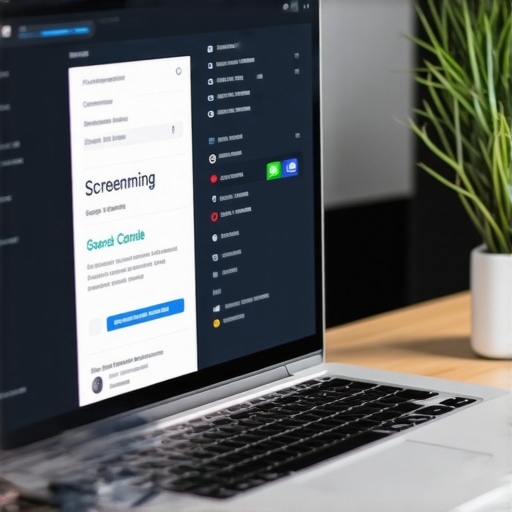
Lessons Few Ever Talk About That Changed Our Game
- One of my most eye-opening moments was realizing that technical SEO isn’t about tinkering with every setting but understanding where Google’s crawler gets lost or confused. The struggle was real until I learned to identify and fix these issues proactively, which skyrocketed our rankings.
- On web design, I used to chase visual trends, but I found that simplicity combined with fast load times and clear navigation converts visitors into customers more effectively. Sometimes, less truly is more.
- With PPC, I discovered that refining negative keywords and audience targeting reduced wasted ad spend and improved conversion rates dramatically—yet many overlook these advanced tactics in favor of broad, untargeted campaigns.
- Branding isn’t just about logos; it’s about crafting a consistent voice and visual identity that resonate emotionally. That consistency builds trust and distinguishes you in a saturated market, a lesson I learned the hard way.
- Finally, I realized that ongoing monitoring with tools like Google Search Console and Screaming Frog isn’t optional—it’s essential. Detecting crawl errors or duplicate content early saves time, money, and reputation in the long run.
My Must-Have Arsenal for Local Digital Success
- Screaming Frog SEO Spider—My go-to for in-depth site audits. It uncovers crawl issues, broken links, and duplicate content that silently sabotage rankings.
- Google Search Console—Indispensable for tracking indexing status, understanding crawl behavior, and catching technical issues before they escalate.
- BrightLocal—A trusted source for managing citations and reviews, ensuring local signals are strong and consistent across platforms.
- Yoast SEO or Rank Math—Plugins that help optimize on-site content seamlessly, improving visibility without the hassle.
Let Your Passion Drive Your Next Win
Embracing these insights and tools can feel overwhelming at first, but the key is to start small and stay consistent. The future of local SEO and web presence isn’t about quick tricks; it’s about building a sustainable, trust-driven digital foundation. Are you ready to take action and turn your online visibility into your best asset? Share your experiences below—what’s worked for you or what challenges are holding you back? Together, we can navigate these complex waters and come out ahead.