
It was a cold Tuesday afternoon when I looked at my website and realized everything about it looked outdated—the fonts, the colors, even the layout felt like a relic from the early 2010s. I had poured so much energy into designing a brand that I thought was modern and fresh, but in just a few years, it felt stale, unrecognizable. That moment hit hard. I wondered: Was I building something that would last, or merely chasing fleeting trends?
Why a Lasting Visual Identity Matters More Than Ever
As entrepreneurs and marketers, we often fall prey to the idea that constantly updating our visuals keeps us relevant. But what if I told you that chasing every new style or following the latest fad can do more harm than good? A strong, enduring visual identity isn’t about being trendy—it’s about being memorable and authentic over decades. When your branding stands the test of time, it builds trust and recognition among your audience, which translates into loyalty and growth.
By investing in a timeless identity, you avoid the constant cycle of rebranding that drains resources and confuses your customers. Plus, a consistent look and feel across all platforms signals professionalism. Believe it or not, studies reveal that consistent branding can increase revenue by up to 23% (source: Effective Branding Tips)—that’s a compelling reason to get it right from the start.
Have you ever felt frustrated because your brand looks different everywhere—your website, social media, or printed materials? If yes, you’re not alone. Many businesses struggle with maintaining visual consistency amid changing trends. That’s precisely why I want to share the lessons I learned on how to create a visual identity that lasts for decades, not just seasons.
Let’s look at how you can avoid common pitfalls and build a brand that endures.
Define Your Core Values and Unique Selling Proposition
Begin by pinpointing what sets your brand apart. Reflect on your mission, vision, and the emotions you want your audience to associate with your business. I once spent hours brainstorming with my team, creating a brand blueprint that clearly articulated our commitment to quality and innovation. This forms the backbone of your visual identity, ensuring every design choice aligns with your purpose.
Create a Consistent Color Palette and Typography
Choose a few primary colors that resonate with your brand personality and stick with them across all platforms. I recommend selecting timeless shades—think navy instead of neon—that won’t go out of style. Pair this with 2-3 fonts: a distinct heading font and a more readable body font. I once experimented with multiple fonts for a client but soon realized consistency enhances recognition and professionalism.
Design a Memorable Logo and Visual Elements
Your logo should be simple yet distinctive. I once redesigned a logo that was overly complex into a sleek mark that people remembered immediately. Think of your logo as the face of your brand—make it adaptable to various sizes and media, from website headers to social media icons. Develop a style guide detailing usage rules to maintain uniformity.
Develop a Style Guide for Brand Materials
This document acts as a rulebook, outlining color codes, logo usage, imagery style, and tone of voice. When I created a comprehensive style guide for my previous client, it dramatically improved consistency, especially when onboarding new team members or designers. This step is crucial to sustain your branding integrity over time.
Apply Visuals Uniformly Across Touchpoints
Ensure your website, social media, packaging, and print materials adhere to your style guide. I once noticed a client’s Instagram had a different color tone, which diluted their brand message. Regular audits of your brand assets help catch deviations early and reinforce your visual identity.
Regularly Review and Evolve Without Losing Identity
Design trends change, but your core brand should remain recognizable. I revisited a branding project after five years, updating visuals subtly while retaining key elements. This balance keeps your brand fresh without sacrificing familiarity, ensuring longevity.
Leverage Visual Signaling for the Audience
Use visual cues like icons, patterns, and imagery that align with your brand story. Effective signaling helps your audience instantly understand your message. To deepen engagement, I once integrated custom illustration styles that became a signature element—making the brand instantly recognizable.
Maintain Consistency Through Training and Templates
Educate your team on branding standards and provide templates for presentations, social posts, and emails. Consistency is a team effort. I facilitated workshops and created editable templates that made adherence effortless, reinforcing brand unity.
Test and Gather Feedback to Refine Your Visual Identity
Collect audience reactions and analyze engagement data. I used A/B testing for logo variants and discovered subtle tweaks increased recall. Regular feedback loops ensure your branding remains effective and resonant over the years.

Many marketers and business owners fall into traps rooted in misconceptions about their online strategies. Let’s analyze some pervasive myths and shed light on nuanced mistakes that can hinder your success. By understanding these, you can avoid costly errors and optimize your efforts effectively.
Why Do We Still Overestimate Visual Trends in Web Design?
Despite a wealth of evidence suggesting that timeless design beats fleeting trends, many cling to flashy aesthetics hoping to attract clicks. This overemphasis on aesthetics often leads to neglecting user experience and accessibility, which are proven to impact conversions more significantly. For example, prioritizing trendy animations without considering load times or mobile performance can backfire, reducing engagement instead of enhancing it. An advanced mistake is neglecting technical SEO fundamentals that truly influence rankings.
What’s the Hidden Danger in PPC Campaign Budgeting
Many believe that increasing ad spend linearly improves results. However, this can result in diminishing returns if not paired with strategic optimization like audience segmentation and ad copy refinement. Overlooking their quality score and bid management strategies often leads to wasted budget. Moreover, relying solely on broad targeting without refining keywords or excluding irrelevant traffic can dilute campaigns’ effectiveness. For advanced marketers, understanding proven PPC tactics for maximizing ROI is essential.
Are Brand Signals Overhyped in Digital Success?
It’s a common misconception that brand recognition relies heavily on sheer visibility. In reality, brand perception hinges on consistency, storytelling, and emotional connection. Many overlook the importance of a cohesive voice and visual identity, which directly influences trust and loyalty over time. Investing in branding mastery that emphasizes authentic storytelling can outperform aggressive advertising in building a loyal customer base. Beware: neglecting your brand’s consistency can confuse your audience, reducing perceived credibility.
Are Myths about SEO Still Holding Back Your Site?
One prevalent myth is that keyword density and exact match keywords are king. In fact, modern technical SEO emphasizes user intent, high-quality content, and comprehensive site structure. Over-optimizing or focusing solely on rankings without considering user experience can lead to penalties or poor engagement metrics. Advanced SEO involves paying attention to crawlability, site speed, and schema markup—factors often underestimated by beginners. Remember, SEO is a long-term investment grounded in tactical nuance, not shortcuts.
Enjoyed this deep dive? Have you ever fallen into this trap? Let me know in the comments. For more advanced insights, explore our web design trends 2025 or check out strategies to maximize PPC ROI today.
Staying Ahead with the Right Tools for Long-Term Success
Maintaining your website’s performance isn’t a set-and-forget task; it requires regular attention and the right toolkit. I personally rely on Screaming Frog SEO Spider for crawling my site periodically. Its granular insights into broken links, duplicate content, and crawl errors are invaluable. Unlike generic auditing tools, Screaming Frog allows me to set custom configurations tailored to my site’s architecture, saving me hours of manual checking.
Next, I use Cloudflare not just for CDN services but for proactive security and performance optimization. Its automatic cache management and real-time analytics help me identify bottlenecks before they impact visitors. These tools ensure my site stays fast, secure, and optimized in an ever-evolving digital landscape.
Ensuring Consistency Through Automation and Monitoring
Automation plays a crucial role in long-term site health. I set up regular automated backups and performance tests using tools like GTmetrix and Pingdom. These allow me to receive alerts about minor issues before they turn into major problems. For example, I track site load times daily—if I notice a spike, I dive into recent changes that might have caused it, ensuring consistent user experience.
Investing in Technical SEO for Scalable Growth
Technical SEO isn’t just a one-time fix; it’s an ongoing process. I recommend mastering site crawlability and speed to keep your rankings afloat. Regular audits help you catch anything from orphaned pages to schema markup errors. Staying proactive here ensures your site’s visibility grows sustainably, and your efforts align with evolving search engine algorithms.
How do I maintain my website’s health over time?
Consistent monitoring paired with automation is your best bet. Use specialized tools, such as Screaming Frog and Cloudflare, to identify and fix issues before users notice. Frequent updates to plugins and CMS core are vital, too. I personally schedule monthly site reviews to review analytics, fix emerging problems, and refine my optimization strategies. Over time, this disciplined approach pays off by keeping your site reliable and scalable. As search engine algorithms become more sophisticated, these automated, precise maintenance routines will become even more essential. The future points toward AI-powered monitoring, but even now, integrating these tools can give you a significant advantage. Don’t forget: a well-maintained site not only ranks better but also builds trust and authority in your niche.
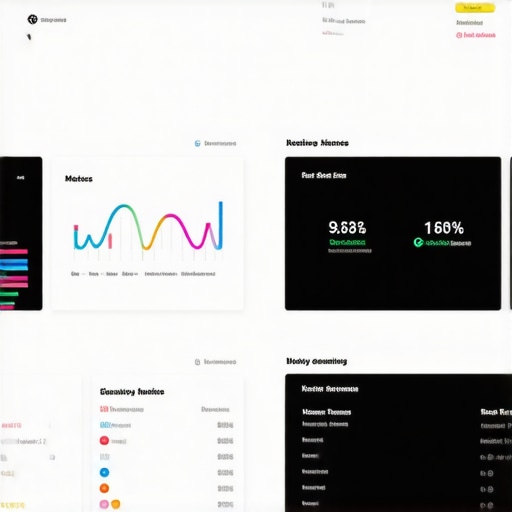
Imagine using a comprehensive dashboard that consolidates site health metrics, security status, and performance data—making maintenance straightforward and less time-consuming. Visual cues like this are invaluable for busy marketers and webmasters committed to keeping their sites at peak performance.
The Hardest Lesson I Learned About Building a Timeless Brand
One of my most profound realizations was that chasing every design trend can dilute your brand’s core message. Early on, I tried to incorporate all the latest aesthetics, but it led to inconsistency and confusion. The lightbulb moment was understanding that simplicity rooted in authenticity creates a stronger, more memorable presence that endures through changing trends.
What I Wish I Knew About Visual Identity Before Starting
I underestimated the importance of developing a comprehensive style guide. Creating detailed rules around color palettes, typography, and imagery saved me countless hours and kept our branding cohesive across projects. This internal discipline became the backbone of our long-term growth, ensuring every touchpoint felt intentional and familiar.
Why Consistency Trumps Freshness in Digital Strategies
It’s tempting to constantly update your website and campaigns to stay trendy, but my experience taught me that consistency builds trust. When visitors see a uniform look and feel, they recognize and remember your brand. This recognition translates into loyalty, higher conversions, and ultimately, sustained success over fleeting fads.
I Wish I Paid More Attention to Audience Feedback Earlier
Engaging with your audience and analyzing their responses can reveal whether your branding resonates or needs refining. I once launched a new visual style, only to learn through comments and engagement metrics that it didn’t align with our audience’s expectations. Listening and iterating based on this insight is crucial for building a lasting connection.
How I Discovered the Power of Regular Content and Technical Audits
Consistently reviewing website performance, security, and content helps catch issues before they escalate. Tools like mastering technical SEO and automated monitoring routines ensure your site remains reliable and competitive. This disciplined approach fosters trust and scalability over years of digital growth.
Resources That Shaped My Approach to Web Design and SEO
The foundation of my strategy is built on trusted tools and resources. I rely heavily on comprehensive technical SEO guides to stay ahead. Additionally, reference materials like branding tips and innovative web design ideas keep my work fresh and effective. These resources provide the nuanced insights necessary for sustainable success.
Keep Pushing Forward: Your Next Step in Web Success
Embracing the lessons of consistency, authenticity, and continuous improvement is vital for digital mastery. I encourage you to evaluate your current branding and SEO strategies, and start implementing disciplined routines and style guides. Remember, the most enduring brands are built on foundational principles, not quick fixes. Start today, and you’ll craft a digital presence that stands the test of time.