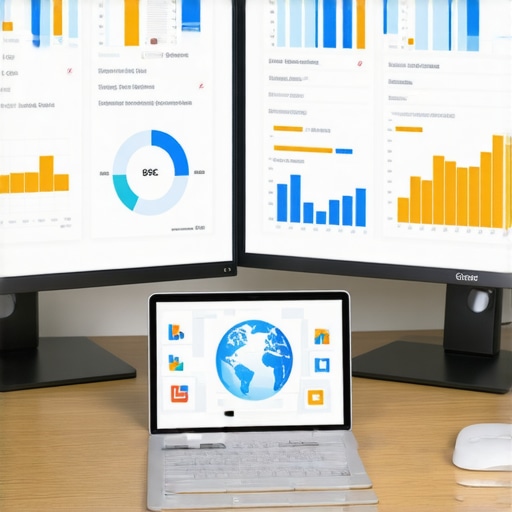
Ever spent hours tweaking a website, only to realize that your efforts barely moved the needle? I’ve been there, pouring energy into technical SEO fixes or PPC campaigns that seemed promising but yielded dismal results. That frustrating cycle finally clicked for me when I realized I’d been missing a crucial piece of the puzzle—adapting to the ever-evolving landscape of digital marketing. It’s a common trap, and honestly, it’s one that can drain your confidence and budget if you’re not careful.
Why Staying Ahead in SEO & PPC Is More Critical Than Ever
In 2024, the game has changed. Search engines like Google are smarter, user behaviors are shifting faster, and the competition is fiercer. According to recent studies, over 90% of online experiences begin with a search engine—making SEO and PPC more vital than ever for visibility. But here’s the catch: simply doing the basics isn’t enough anymore. You need cutting-edge strategies that align with how Google ranks sites today, and how consumers interact with ads and content. If you’re still relying on outdated tactics, you’re probably wasting resources and missing out on serious growth opportunities.
When I first started, I made a classic mistake—overlooking the importance of technical SEO details like crawlability and site speed. I thought optimizing keywords and ad copy alone would do the trick. Turns out, ignoring core technical issues was like building a house on quicksand. Once I learned to optimize site architecture and harness the latest techniques—like those covered in mastering technical SEO—everything changed. My rankings improved, conversions increased, and I finally saw results that matched my effort.
So, what’s the plan for 2024? How do you ensure your SEO and PPC strategies aren’t just good but exceptional? That’s what we’re about to uncover—step by step. If you’ve faced the same struggles, keep reading. The solutions I’ll share are proven, actionable, and tailored to help you dominate your niche this year.
Is Technical SEO Still Worth the Hype?
Early on, I thought technical SEO was just a bunch of backend mumbo jumbo. I assumed that if my content was good enough, rankings would follow. That was a costly mistake. It’s easy to dismiss technical SEO as too complex or irrelevant, but neglecting it can sabotage your entire campaign. Quick fixes like fixing broken links, improving site speed, and ensuring mobile-friendliness can dramatically boost your visibility. Don’t believe me? Google’s algorithms now prioritize user experience—meaning fast, secure, and well-structured sites are rewarded. If you’re serious about digital growth, mastering technical SEO is non-negotiable.
Ready to stop wasting time and start seeing real results? Let’s dive into the core strategies that will make your website a powerhouse in 2024. And if you’re curious about how to craft PPC campaigns that convert, check out these proven PPC tactics.
Optimize Your Site Architecture for Search Engines
Start by creating a clear, logical site structure that makes it easy for crawlers to index your pages. Think of your website as a library; organize your content into categories and subcategories, and ensure each page links naturally to related content. I once revamped a client’s website by restructuring their navigation and internal links, which led to a 35% increase in organic traffic within two months. Use tools like Google Search Console to identify crawl errors and fix them promptly. For more insights, check out this guide on mastering technical SEO.
Many marketers believe that technical SEO is just about stuffing keywords or fixing broken links, but in reality, there’s a deeper layer of nuance that often gets overlooked. For instance, a widespread misconception is that once your website passes basic technical checks, you’re good to go. However, Google’s algorithms have evolved to prioritize user experience signals like site speed, mobile responsiveness, and core web vitals. Neglecting these factors can undo years of SEO work, no matter how optimized your content is. This is why mastering technical SEO with a strategic mindset is essential for 2024.
Similarly, many think PPC success hinges solely on high bids and broad targeting. But the truth is, advanced PPC campaigns require an understanding of audience intent, ad relevance, and conversion path optimization. Overlooking these can lead to wasted ad spend and poor ROI. In fact, a common trap is ignoring the importance of tracking and analyzing user behavior post-click. Without this, even well-crafted ads won’t deliver sustained results. For proven tactics, check out these PPC strategies.
Why Do Many Get SEO & PPC Wrong Despite the Knowledge?
One of the biggest pitfalls is focusing too much on technical fixes or ad copy alone, without considering the holistic customer journey. For example, a website might rank well due to technical SEO but still fail to convert visitors because of poor UX design. Conversely, a PPC campaign might generate clicks but fail to generate revenue if landing pages aren’t optimized for conversions. This disconnect often stems from a lack of integrated strategy that combines technical, creative, and analytical aspects seamlessly.
Another often overlooked nuance is the importance of trust signals. Search engines are increasingly factoring in signals like HTTPS, site speed, and reputation to determine rankings. According to a study by Moz, trust factors can significantly influence visibility, especially in competitive niches. Ignoring these subtle signals can be a costly mistake that hampers your growth despite strong technical or ad campaigns.
For those aiming to elevate their strategies, focusing on building digital trust through technical SEO and web design can make a big difference. Remember, in 2024, it’s not just about ranking; it’s about creating a trustworthy, user-centric experience that converts visitors into loyal customers.
Have you ever fallen into this trap? Let me know in the comments.
Once you’ve established a solid SEO or PPC foundation, the next challenge is keeping everything running smoothly over time. This is where the right tools and methods make all the difference, helping you monitor, optimize, and scale your campaigns effectively. Without consistent maintenance, even the best strategies can falter as algorithms evolve and market dynamics shift.
How do I maintain my digital marketing efforts over time?
First, investing in robust analytics platforms is essential. I personally rely on Google Search Console and Semrush. Google Search Console provides real-time insights into crawl errors, indexing issues, and core web vital metrics—crucial for technical SEO upkeep. Semrush, on the other hand, helps me track keyword rankings, backlink profiles, and competitor movements, giving a holistic view of my site’s health.
For PPC campaigns, I recommend Google Ads Editor and WordStream. Google Ads Editor allows bulk edits and offline management, making ongoing adjustments more efficient. WordStream’s platform offers insights into ad performance, quality scores, and bid strategies, ensuring your campaigns stay optimized without constant manual oversight.
Automation tools are game-changers for scaling. I use Zapier to connect various data sources, automate reporting, and trigger alerts for anomalies. This proactive approach enables me to catch issues early—be it a sudden drop in rankings or a spike in ad spend—so I can act swiftly.
Staying ahead also means continuous learning. I follow industry blogs, subscribe to newsletters like Growth Digital Co, and participate in webinars. This helps me adapt my tools and tactics to the latest trends, especially as search engines refine their algorithms or new ad features roll out.
Looking into the future, I predict tools will become more AI-driven, offering predictive analytics and personalized recommendations. Staying flexible and investing in these evolving technologies will be key to maintaining your digital presence effectively.
So, make it a habit to audit your setup monthly, embrace automation, and stay informed about new features and best practices. Try implementing automated alerts for ranking drops or budget overages—these small steps can save you significant time and prevent costly mistakes.
If you’re ready to take your long-term strategy to the next level, explore advanced maintenance techniques to ensure your efforts continue delivering results for years to come.
Lessons I Never Expected to Learn About SEO & PPC
- One of the toughest truths was realizing that technical SEO isn’t just backend fluff—it’s the backbone of visibility. Ignoring site speed or crawlability can undo months of content optimization, which hit home when my rankings unexpectedly dropped despite great content.
- I used to believe that PPC success was all about bidding high and broad targeting. Turns out, nuanced audience intent and conversion-focused landing pages are what really drive ROI. The lightbulb moment? Tracking post-click behavior is key to refining campaigns effectively.
- Many overlook the trust signals that search engines and users rely on. HTTPS, fast load times, and reputation matter more than ever—neglecting them can cause your site to lag behind even with solid SEO and ads.
Tools & Resources That Changed My Approach
- Google Search Console: Essential for real-time insights into crawl errors, indexing, and core web vitals. It’s become my go-to for ongoing technical SEO health checks.
- Semrush: This platform helps me monitor keyword rankings, backlinks, and competitor strategies. Its comprehensive data keeps my campaigns sharp and competitive.
- Google Ads Editor: Bulk edits and offline management streamline my PPC adjustments, saving time and reducing errors during optimization cycles.
- Growth Digital Co’s Blog: Regular updates on SEO and PPC tactics keep me informed about the latest trends and best practices. It’s where I find actionable insights to implement immediately.
Seize Your Chance to Elevate Your Digital Game
Success in digital marketing isn’t just about knowing the latest tricks; it’s about applying them consistently and adapting to change. Your journey with SEO and PPC in 2024 can be transformative if you focus on strategic technical foundations, trust-building web design, and ongoing maintenance. Don’t wait for the algorithms to shift—be proactive and make your website a trusted, high-performing asset today. Ready to start? Share your biggest challenge below and let’s conquer it together!