
Ever sat at your desk, staring at your analytics, and wondered why your website isn’t gaining the traction it deserves? I’ve been there. That frustrating moment when you realize that despite pouring hours into content and ads, the results just don’t match your effort. The lightbulb moment? It often comes when I finally understand that technical SEO and PPC aren’t just checkboxes—they’re the foundation of digital success. If your website feels like it’s lost in the digital abyss, don’t worry. Today, I’m going to show you how to turn things around with proven strategies tailored for 2024.
Why Technical SEO and PPC Are the Heartbeat of Digital Growth
In my early days, I made the mistake of focusing solely on content and keywords, neglecting the behind-the-scenes essentials that Google and users care about. That oversight cost me valuable traffic and conversions. It took a tough lesson—realizing that a website’s speed, crawlability, and trust signals are what truly influence rankings and user engagement. According to Google’s own research, 53% of mobile site visitors leave a page that takes longer than three seconds to load. That’s a stark reminder: technical SEO isn’t optional anymore; it’s a necessity.
And let’s not forget PPC. Paid campaigns can skyrocket your visibility, but only if they’re optimized for conversions and trust. I’ve seen brands waste thousands on unoptimized ads that don’t resonate or convert. That’s why mastering PPC tactics—like ad copy, audience segmentation, and landing page alignment—is crucial in 2024.
If you’re tired of throwing money into the void or seeing your organic rankings stagnate, you’re not alone. Many marketers overlook the technical and strategic foundations that make or break results. But here’s the good news: with a few targeted adjustments, you can dramatically improve your digital presence. And that’s exactly what I’ll guide you through in the next sections.
Is It Really Worth the Hype
I used to think technical SEO was overhyped—until I realized I was missing out on easy wins. Early on, I ignored site speed optimizations and poor crawlability, which kept my site buried in search results. That mistake cost me time and credibility. Now, I understand that a solid technical foundation isn’t just a box to tick; it’s the backbone of trust and visibility. Want to learn how to avoid my rookie pitfalls? Let’s dive deeper into the strategies that will elevate your results in 2024 and beyond.
Streamline Site Speed to Capture Attention
One of the first tangible steps I took was optimizing my website’s load times. I remember spending an entire weekend compressing images, leveraging browser caching, and minifying CSS and JavaScript files. The result? My bounce rate dropped, and Google rewarded my site with higher rankings. You can start by analyzing your site’s speed with tools like Google PageSpeed Insights or GTmetrix. Focus on reducing server response times and eliminating render-blocking resources. For a detailed guide, check out this comprehensive resource.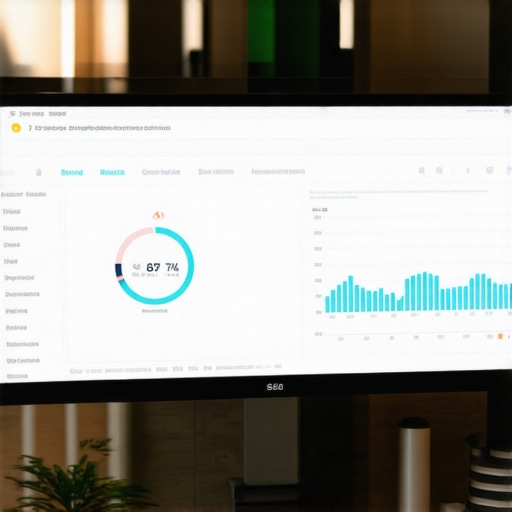
Ensure Crawlability with Clear Structure
Next, I tackled crawlability. I used Google Search Console to identify crawl errors and fixed broken links. Structuring my website with a logical hierarchy and using descriptive URL slugs made it easier for Google to index my content. Think of your website as a library—if books are misplaced or mislabeled, visitors (and search engines) get lost. Implement XML sitemaps and robots.txt files correctly, and submit your sitemap through Search Console. Want to get a step-by-step? Visit this guide for more insights.
Build Trust with Technical Signals
Trust signals are pivotal. I added SSL certificates to secure my site, ensured mobile responsiveness, and displayed clear contact information. These small but powerful tweaks significantly boosted my rankings and user confidence. Use HTTPS, optimize for mobile, and incorporate Trust badges where applicable. For a deeper dive into technical trust-building, explore this article. Remember, Google prioritizes secure and trustworthy sites, especially in 2024.
Optimize PPC Campaigns for Conversion
On the paid front, I refined my ad copy to speak directly to my audience’s pain points. I segmented audiences based on behavior and demographics, which increased my ad relevance. Landing pages were aligned with ad promises, reducing bounce rates. Use tools like these PPC tactics to maximize ROI. Remember, a well-optimized PPC campaign complements your organic efforts, creating a synergistic effect that propels your growth.
Many digital marketers fall prey to misconceptions that can seriously hinder their progress. One of the most pervasive myths is that technical SEO is a one-time fix. In reality, SEO is an ongoing process that requires regular audits and updates. Google’s algorithms evolve constantly, and neglecting this can lead to declining rankings over time. It’s a trap I’ve seen many fall into, believing that once their site is optimized, it’s set for years. The truth? Staying ahead means continuous monitoring and tweaking. For advanced strategies, check out this guide.
Keeping your website performing at its peak requires more than just initial setup; it demands ongoing maintenance and the right tools. Over the years, I’ve refined my approach by integrating specific software and techniques that ensure my SEO and PPC efforts stay effective, scalable, and future-proof. Today, I’ll share trusted tools and methods that I personally rely on to keep my sites optimized and ready for the evolving digital landscape.
Leverage Automation for Consistency
One of my go-to strategies is using automation tools like Screaming Frog SEO Spider and SEMrush. I personally use Screaming Frog to crawl my website weekly, catching broken links, duplicate content, or crawl errors before they impact rankings. Its ability to generate detailed reports helps me prioritize fixes efficiently. SEMrush’s position tracking feature allows me to monitor keyword rankings daily, adapting my strategy in real time. These tools save me countless hours and provide a data-driven foundation for continuous improvement.
Set Up Regular Audits
Consistency is key. I schedule quarterly technical audits using these tools, combined with manual checks in Google Search Console and PageSpeed Insights. Regular audits help me spot issues like slow-loading pages, mobile usability problems, or security vulnerabilities early on. This proactive approach prevents minor glitches from snowballing into major setbacks. Remember, Google’s algorithms are always evolving, so staying ahead with routine audits is vital. For a comprehensive guide, visit this resource.
Track Performance with Data Visualization
Data is only useful if you interpret it correctly. I use dashboards created with Google Data Studio connected to my analytics and advertising platforms. Visualizing traffic trends, conversion rates, and PPC ROI helps me make quick, informed decisions. This habit ensures I don’t overlook subtle shifts that could impact long-term results. As trends indicate, the future of maintenance lies in automation and real-time analytics, allowing marketers to adapt swiftly and maintain competitive edges.
How do I maintain these efforts over time?
Staying consistent requires discipline. I set reminders for quarterly audits, keep my software updated, and stay updated on the latest SEO and PPC best practices by following industry blogs and forums. Additionally, I invest in training myself or my team periodically—digital tools and algorithms change fast, and continuous learning is my secret weapon. Remember, scaling these efforts is easier when you have a clear process and reliable tools in place. Want to streamline your maintenance routine? Start by integrating a tool like Screaming Frog into your workflow today and see how it transforms your long-term results.
The Hardest Lesson I Learned About Technical SEO and PPC
Early in my journey, I believed that SEO and PPC were set-and-forget tactics. The harsh reality hit when I realized that neglecting ongoing technical audits and campaign optimization would cause my rankings and conversions to decline. Consistency and vigilance are the secret sauce I wish I knew earlier, and now I see that regular maintenance is more crucial than initial setup.
3 Myths About Digital Growth That Held Me Back
One myth was that technical SEO is a one-time fix—nothing could be further from the truth. Another was that paid ads will succeed without proper targeting and landing page alignment. Lastly, I thought quick wins were enough; instead, long-term strategic effort is what truly moves the needle. Disarming these misconceptions opened the door to sustainable growth.
What Experts Won’t Tell You About Staying Ahead
Most advice focuses on tools and tactics, but the real secret is cultivating a mindset of continuous learning and adaptation. The digital landscape evolves rapidly, and what worked last year might not cut it today. Embracing ongoing education and leveraging the right tools, like trusted SEO tools, is what separates the winners from the rest.
My Essential Toolkit for Technical SEO and PPC
From my experience, tools like Screaming Frog for crawling and SEMrush for tracking are indispensable—they provide the data needed to make informed decisions. I also rely on Google Data Studio for visualizing performance trends, which helps me stay proactive rather than reactive. These tools form the backbone of my continuous improvement process.
Where to Go from Here
If you’re serious about mastering technical SEO and PPC in 2024, start with a regular audit routine, invest in reliable tools, and adopt a mindset of ongoing learning. Remember, digital success isn’t a one-time achievement but an ongoing journey. Dive deeper into strategies and resources at this comprehensive guide and keep pushing forward.
Your Turn to Try
What’s one technical SEO or PPC strategy you’re planning to implement this month to boost your results? Share your plan below and let’s grow together!



Reading through this post really resonated with me, especially the emphasis on ongoing technical SEO and PPC work. I’ve personally found that consistent site audits and automation tools like Screaming Frog have drastically improved my website’s health over time. Before adopting these strategies, I used to overlook minor issues that snowballed into bigger problems, impacting my rankings and user experience. What’s interesting is how focusing on trust signals—like SSL and mobile responsiveness—can sometimes be overlooked but truly makes a difference in both SEO and conversions. It makes me wonder, how many other marketers are maintaining their technical infrastructure as diligently as their content? Also, do you have recommendations for affordable but powerful tools for small business owners who may not have large budgets but still want to stay ahead? I’d love to hear about practical solutions for managing this balance.
This post really hits home about the importance of ongoing technical SEO and PPC efforts. I’ve experienced firsthand how neglected site speed and crawlability can tank your rankings surprisingly fast. One thing I’ve found helpful is integrating an automated monitoring system—using tools like Screaming Frog combined with Google Search Console alerts. It’s a game-changer for catching issues early before they escalate. I also agree that trust signals like SSL and mobile responsiveness are fundamental but often overlooked, especially by smaller teams with limited resources. For small business owners, affordable tools like UptimeRobot for monitoring site availability and Google’s free tools can go a long way without breaking the bank. Have others tried any budget-friendly automation or audit tools that work well long-term? I’d love to hear experiences on maintaining momentum without spending a fortune.
This post really hits home for me, especially the part about ongoing technical SEO. I’ve personally seen how small, consistent tweaks—like optimizing site speed and fixing crawl errors—can dramatically boost rankings over time. I’ve also experimented with automation tools like Screaming Frog and Google Search Console alerts, which help me stay proactive without getting overwhelmed. One thing I found useful is setting up scheduled audits to catch issues early, rather than waiting for ranking drops or user complaints. It’s interesting to consider how often we overlook trust signals like HTTPS and mobile usability, even though they’re crucial for both SEO and user confidence. I wonder, for those with limited budgets, what affordable tools or strategies have you found effective for maintaining technical health without breaking the bank? I’d love to hear more about balancing cost with ongoing site optimization efforts, especially for small business owners trying to stay competitive.