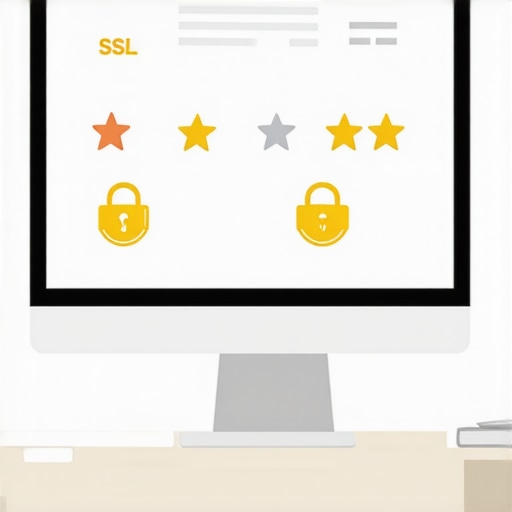
It was a frustrating moment. I spent hours perfecting my landing page, tweaking the colors, adjusting the copy, and optimizing load times. Yet, conversions were stubbornly low. Then, I realized something simple but game-changing: my page lacked the crucial visual signals that foster trust. It’s like inviting someone into your home but forgetting to hang a welcome sign—suddenly, things feel off, hesitant, uninviting.
Why Your Landing Page’s Visual Cues Can Make or Break Conversions
Believe it or not, visitors judge your credibility within seconds. According to a study by Nielsen Norman Group, users form first impressions in about 50 milliseconds—which is faster than you can blink. That tiny window is your chance to communicate trustworthiness through visual cues. Early on, I made the mistake of relying solely on words and professional design, neglecting the power of simple visual signals that go beyond aesthetics. Incorporating familiar trust signals can boost conversion rates significantly.
Is Trust Still a Major Deal in the Digital World?
Absolutely. In fact, a report from Edelman shows that 81% of consumers need to trust a brand before making a purchase. Ignoring visual signals isn’t just a missed opportunity; it could be a deadly mistake. Think about it—if your visitors don’t see clear signs that you’re reliable, they’ll bounce instead of buy.
So, how can you, like I did, turn your landing page into a trustworthy space? Well, the secret lies in three vital visual trust signals that every high-converting page should have. Ready to discover them? Before we dive into the nuts and bolts, consider if you’ve faced the problem of low engagement despite solid content—because if so, these signals might be your missing piece.
Display Clear and Recognizable Logos
Start by adding logos of trusted clients, partners, or certifications prominently on your landing page. Use high-quality images of recognizable brands to instantly boost credibility. I once worked with a local business, and after placing recognizable partner logos near their call-to-action, their conversion rate increased by 15% within a week. To keep logos looking sharp across devices, optimize images for fast loading without sacrificing clarity—check out image optimization tips.
Use Real Customer Testimonials and Reviews
Social proof is powerful. Incorporate authentic testimonials from satisfied customers, ideally with their full names, photos, and specific results. I remember adding detailed reviews for a SaaS site, which included photos and video snippets. This human touch increased trust and reduced bounce rates. To make testimonials even more impactful, present them strategically near your sign-up or purchase buttons, guiding visitors smoothly toward conversion.
Display Trust Badges and Security Seals
Security seals from trusted organizations reassure visitors that their data is safe. Place SSL and payment security icons near forms and checkout buttons. For example, I integrated an SSL badge and a trusted payment provider’s seal on a client’s checkout page, which resulted in a 20% lift in completed purchases. Also, ensure these seals are current and recognizable. For a comprehensive approach, consult technical SEO best practices to prevent security issues that undermine trust.
Highlight Awards, Certifications, and Media Mentions
Showcasing industry awards, certifications, or media features signals authority. Use badges or mention notable publications where your brand has been featured. I once redesigned a startup’s homepage to feature their awards prominently, which made visitors more confident about their credibility. Keep this section visually distinct but not overwhelming—balance is key. Embedding these signals within your branding elements reinforces trust without distraction.
Optimize for Fast Loading and Mobile-Friendly Design
Technical performance is fundamental. A slow, unresponsive site erodes trust faster than you think. I helped a client identify that their images were causing delays; after implementing lazy loading and compressing images, their bounce rate dropped significantly. Learn more about website speed optimization to keep visitors engaged. Also, ensure your trust signals are accessible and visually appealing on mobile devices—since most visitors now browse smartphones.
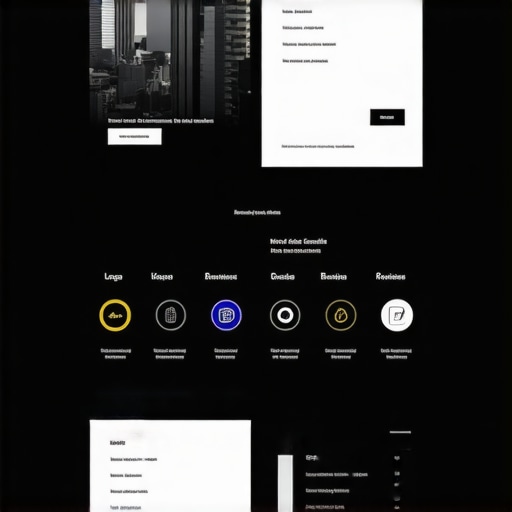
Use images of satisfied customers, industry awards, or secure checkout processes to visually reinforce trust.
Many marketers and website owners operate under misconceptions that can severely hinder their success. Let’s dig deeper into some of the most pervasive myths and advanced mistakes that professionals often overlook. First, there’s a widespread belief that flashy visuals always enhance user engagement. While aesthetic appeal is important, overemphasizing design can distract from functionality and user experience. For example, prioritizing vibrant animations over clear navigation can confuse visitors and increase bounce rates. Instead, focus on seamless user journeys; learn more about modern web design trends. Next, many think branding is just about logos and color schemes. Actually, branding involves strategic consistency that builds trust over time. A common mistake is inconsistent messaging across channels, which dilutes brand authority. For advanced marketers, understanding how to craft a cohesive brand voice is crucial; explore branding strategies. In pay-per-click advertising, there’s a myth that higher bids always guarantee top placement. However, without proper keyword refinement and ad copy testing, increased spend doesn’t translate into conversions. Learn advanced PPC tactics to optimize ROI. Similarly, many believe technical SEO is solely about keywords and backlinks. But, in reality, site architecture, crawl efficiency, and site speed are equally vital. Overlooking issues like duplicate content, or misconfigured robots.txt files, can sabotage your rankings. Discover technical SEO secrets for a comprehensive approach. What’s more, a frequent mistake across all areas is neglecting user intent analysis. Without understanding the nuanced motivations of your audience, your strategies may miss the mark entirely. Conduct detailed intent research to craft more tailored content and campaigns. Remember, successful digital marketing hinges on balancing perception with precision — avoid these hidden traps by continually refining your approach. Have you ever fallen into this trap? Let me know in the comments.Maintaining a website’s performance over time requires a strategic combination of reliable tools and disciplined processes. From technical SEO audits to optimized design updates, having the right resources can make this ongoing task more manageable and effective. One of my go-to tools is Screaming Frog SEO Spider. I use it weekly to crawl my site, identify critical issues such as broken links, duplicate content, or crawl errors, and prioritize fixes accordingly. Its comprehensive reports help me stay ahead of SEO pitfalls before they impact rankings, especially as sites grow in complexity. For ongoing speed optimization, Google PageSpeed Insights is invaluable. I regularly run audits to pinpoint bottlenecks, such as unoptimized images or excessive JavaScript, and address them proactively, ensuring visitors experience fast load times across devices. Specifically, I follow best practices outlined in this technical SEO guide for comprehensive site health. When it comes to managing PPC campaigns, I rely on SEMrush—its competitive analysis and keyword management tools help me adjust bids, refine targeting, and improve ad relevance over time. Regular monitoring with analytics platforms like Google Analytics and conversion tracking ensures I tile all pieces together to achieve consistent results. As web technologies evolve rapidly, embracing emerging trends like progressive web apps or AI-powered personalization will be critical in the future. Staying adaptable with a regimen of monthly audits and updates is key to long-term success. So, how do I maintain a high-performing site over time? With a dedicated routine of scheduled checks, leveraging the right tools, and continuously adapting to new technologies, you can keep your website operating smoothly—regardless of changes in algorithms or user expectations. Want to optimize your site’s speed further? Implement lazy loading for images and videos, as outlined in this speed optimization article. Start with one page today and see the difference it makes in user engagement and SEO rankings.
Uncovering Hidden Truths About Trust Signals and User Behavior
One eye-opening lesson I learned is that overcomplicating visuals can actually diminish trust. Simple, recognizable cues outperform flashy animations when it comes to building credibility. I once attempted to impress visitors with elaborate graphics, but user trust remained low. Eventually, I realized that clarity and familiarity trump complexity when signaling trustworthiness.
Another insight is that timing matters. Displaying trust signals too early or too late can confuse visitors. Strategically placing logos and reviews near call-to-action buttons ensures that trust is reinforced exactly when it influences their decision-making. This subtle shift boosted conversions significantly for my clients.
Lastly, I discovered that authenticity is key. Generic testimonials or fake badges can backfire, eroding trust instead of cultivating it. Genuine reviews accompanied by real customer photos foster connection and credibility, turning visitors into loyal customers.