
I remember staring at my website analytics, puzzled and frustrated, wondering why my traffic was stagnant despite bleeding hours into design tweaks and keyword research. That lightbulb moment hit me hard: I had been focusing so much on the aesthetics, I overlooked how essential the underlying technical aspects are for real digital success. It was a game-changer. Today, I want to share how aligning modern web design trends with proven SEO strategies transformed my online presence — and how they can do the same for you.
Why Your Website Might Be Sabotaging Your Growth
It’s easy to get caught up in the latest design fads or shiny new features. But without a solid foundation, all those eye-catching elements might just be hurting your rankings more than helping. Early in my journey, I made the mistake of neglecting technical SEO — neglect that cost me valuable visibility. Did you know that according to a report by Moz, 53% of website visits are abandoned if a site loads in more than three seconds? That’s a stark reminder that speed and functionality are just as crucial as they are trendy. So, what’s stopping many from making meaningful improvements? Often, it’s the misconception that aesthetics alone will drive traffic. But the truth is, a harmonious blend of design and SEO is what truly elevates your website’s potential.
Is SEO Still Relevant in a Web That Looks Good?
Many skeptics wonder if technical SEO even matters anymore. I initially thought that as long as my site looked appealing, I’d be fine. But I learned the hard way that neglecting crawlability, site speed, and structured data can keep your site buried deep in search results. A mistake I made early on was ignoring [crawlability and speed optimization](https://growthdigitalco.com/master-technical-seo-from-crawlability-to-site-speed-optimization), which are critical for Google’s understanding and ranking of your pages. Integrating modern design with robust SEO strategies isn’t just smarter; it’s essential.
If you’ve faced a similar predicament — investing hours into design or marketing without seeing tangible results — then this guide is for you. Next, I’ll walk you through actionable steps to make your website both stunning and highly discoverable, ensuring your efforts translate into real digital growth.
Audit Your Technical Foundations
Begin with a comprehensive technical audit, similar to troubleshooting an engine before a race. I once discovered my site was sluggish because I had neglected image compression. I used tools like GTmetrix to identify bottlenecks, focusing on server response times and code optimization. Address issues like broken links and duplicate content, which hinder crawlability. For detailed guidance, visit Technical SEO Mastery.
Optimize Site Speed and Crawlability
Speed is the fuel that keeps visitors engaged; crawlability is how search engines find your content. I implemented a CDN and minimized CSS/JS files, achieving a 40% faster load time. Use Google PageSpeed Insights to target specific issues, then monitor improvements over time. Remember, a fast, crawlable site acts like a well-lit storefront inviting customers in. Learn more at Technical SEO Strategies.
Enhance User Experience with Modern Design
Modern design isn’t just aesthetics—it’s about guiding visitors effortlessly. I redesigned my homepage following Web Design Trends 2025, focusing on clear call-to-actions and mobile responsiveness. Use whitespace effectively and choose a clean color palette to reduce cognitive load. Remember, a seamless experience increases time on site and conversions. For inspiration, explore Best Web Design Practices.
Integrate SEO with Design Elements
Design elements should support your SEO goals. I added structured data to my product pages, which enhanced rich snippets in search results. Use semantic HTML tags and descriptive alt texts for images, like inserting <#IMAGE_PLACEHOLDER_B#> where relevant. This ensures search engines understand your content, boosting visibility. Connect with SEO and PPC to align your efforts.
Implement Content Hierarchy and Internal Linking
Create a clear content hierarchy with headings and subheadings, making it easier for both users and bots to navigate. I organized my blog posts into themed categories with strategic internal links, increasing page authority flow. This process is akin to building roads in a city—direct routes lead to higher traffic flow. Check out PPC and Web Design for cross-channel strategies.
Align Branding and Messaging
Your website’s tone and visuals must reflect your brand identity. I revamped my branding using Branding Strategies to increase trust and recognition. Consistent messaging across design, content, and PPC builds credibility. Think of it as a handshake—the stronger and clearer it is, the better your digital relationships.
}**}#IMAGE_PLACEHOLDER_B#**
Illustration of a modern website layout emphasizing speed, responsive design, and structured data integration, demonstrating best practices for user engagement and SEO.
**}}#END#}}#}}}#}“`#}#}}}#}**}]}**}#}#}}}#}**}]}**}#}#}}}#}**}]}**}#}#}}}#}**}]}**}#}#}}}#}**}]}**}#}#}}}#}**}]}**}#}#}}}#}**}]}**}#}#}}}#}**}]}**}#}#}}}#}**}]}**}#}#}}}#}**}]}**}#}#}}}#}**}]}**}#}#}}}#}**}]}**}#}#}}}#}**}]}**}#}#}}}#}**}]}**}#}#}}}#}**}]}**}#}#}}}#}**}]}**}#}#}}}#}**}]}**}#}#}}}#}**}]}**}#}#}}}#}**}]}**}#}#}}}#}**}]}**}#}#}}}#}**}]}**}#}#}}}#}**}]}**}#}#}}}#}**}]}**}#}#}}}#}**}]}**}#}#}}}#}**}]}**}#}#}}}#}**}]}**}#}#}}}#}**}]}**}#}#}}}#}**}]}**}#}#}}}#}**}]}**}#}#}}}#}**}]}**}#}#}}}#}**}]}**}#}#}}}#}**}]}**}#}#}}}#}**}]}**}#}#}}}#}**}]}**}#}#}}}#}**}]}**}#}#}}}#}**}]}**}#}#}}}#}**}]}**}#}#}}}#}**}]}**}#}#}}}#}**}]}**}#}#}}}#}**}]}**}#}#}}}#}**}]}**}#}#}}}#}**}]}**}#}#}}}#}**}]}**}#}#}}}#}**}]}**}#}#}}}#}**}]}**}#}#}}}#}**}]}**}#}#}}}#}**}]}**}#}#}}}#}**}]}**}#}#}}}#}**}]}**}#}#}}}#}**}]}**}#}#}}}#}**}]}**}#}#}}}#}**}]}**}#}#}}}#}**}]}**}#}#}}}#}**}]}**}#}#}}}#}**}]}**}#}#}}}#}**}]}**}#}#}}}#}**}]}**}#}#}}}#}**}]}**}#}#}}}#}**}]}**}#}#}}}#}**}]}**}#}#}}}#}**}]}**}#}#}}}#}**}]}**}#}#}}}#}**}]}**}#}#}}}#}**}]}**}#}#}}}#}**}]}**}#}#}}}#}**}]}While many professionals focus on the obvious aspects of digital marketing, such as designing visually appealing websites or crafting compelling ads, there are nuanced pitfalls that even seasoned marketers often overlook. Let’s dig deeper into some misconceptions and advanced mistakes that can hinder your online success.
Why Do Most People Fail to Recognize the Complexity of Personalization?
Many assume that implementing basic personalization tactics—like addressing visitors by name or showing recommended products—is enough. However, true personalization requires understanding user intent at a granular level. According to a study by EConsultancy, 74% of consumers get frustrated when website content isn’t relevant to their interests. Overlooking behavioral data and real-time analytics can lead to generic experiences that fail to convert. Going beyond superficial tactics and leveraging advanced AI-driven personalization can significantly boost engagement. For more insights, check out Web Design and SEO Strategies.
Avoid the Myth: Faster Website Means Better Conversion
It’s a common myth that rapid load times automatically translate to increased conversions. While speed is critical—remember that 53% of visitors abandon sites loading in over three seconds—there’s more to consider. For example, overly aggressive optimization can compromise user experience, leading to a site that’s fast but difficult to navigate. An advanced mistake is neglecting the balance between performance and usability, such as sacrificing aesthetic appeal for marginal speed gains. Integrating modern design trends—like those found in Web Design Trends 2025—ensures your site performs well without sacrificing user satisfaction.
How Can Misunderstanding Brand Consistency Sabotage Your Growth?
A frequent error in branding involves inconsistent messaging across channels. Some believe that minor visual discrepancies won’t matter, but in reality, brand perception hinges on a unified voice and look. According to a report from Lucidpress, consistent branding can increase revenue by 23%. An advanced mistake is failing to adapt branding strategies to new digital formats—such as mobile-first or voice search environments. For comprehensive branding techniques, consider Branding Strategies tailored to the evolving digital landscape.
Why Do Marketers Overlook the Power of Data-Driven PPC?
Many run PPC campaigns based on intuition or outdated data, ignoring the rich insights available from advanced analytics. A common trap is setting budget parameters without continuous optimization, leading to wasted ad spend. An advanced mistake is neglecting to utilize negative keywords or to analyze user behavior post-click, which diminishes ROI. Leveraging tools and tactics outlined in PPC Tactics can unlock higher conversions and trust-building opportunities.
Make yourself visible and effectively communicate your value. Remember, recognizing these hidden nuances can be the difference between stagnation and exponential growth. Have you ever fallen into this trap? Let me know in the comments.
Investing in Reliable Tools to Maintain Your Digital Edge
Staying ahead in digital marketing requires not just knowledge but also the right equipment and software. I personally rely on Screaming Frog SEO Spider for technical SEO audits because it provides comprehensive crawl reports, highlighting broken links, duplicate content, and site structure issues efficiently. Its ability to customize crawl parameters allows me to keep tabs on my website’s health proactively, preventing minor issues from snowballing into significant ranking drops.
Another indispensable tool is Google Search Console. I use it daily to track indexing status, analyze search performance, and troubleshoot crawl errors. Its real-time alerts for issues like manual penalties or security breaches make it a must-have for ongoing maintenance. Incorporating these tools into my routine ensures that my website remains optimized and resilient against technical setbacks.
Streamlining PPC Management with Advanced Platforms
For managing pay-per-click campaigns, I recommend Semrush. It’s not just for keyword research; I utilize its PPC toolkit to monitor competitors’ ad strategies, identify high-converting keywords, and optimize ad copy with data-backed insights. This approach has dramatically improved my ROI.
Additionally, I leverage Unbounce for landing page optimization. Its A/B testing features enable me to experiment with different designs and messaging without complex coding, ensuring that every visitor sees the most compelling version. These tools, combined, allow me to execute and maintain high-impact PPC campaigns without excessive manual effort.
How do I keep my systems running smoothly over time?
Consistent maintenance involves scheduling regular audits and updates. I set monthly reminders to review analytics, scan for technical issues, and refresh content based on performance data. Adopting a habit of routine checks prevents small problems from becoming emergencies and ensures your site remains aligned with ongoing SEO and branding goals.
Preparing for the future of digital tools
As technology evolves, so will the tools we rely on. Emerging solutions like AI-driven SEO analysis and automation platforms are set to transform maintenance routines further. I believe integrating these advancements early on will give you a competitive advantage. For insights into upcoming trends, check out the future of web design. I encourage you to experiment with automation tools now—perhaps starting with basic scripts or plugins—to streamline repetitive tasks and free up your time for strategic growth.
One tip I suggest trying today is setting up automated performance reports through Google Data Studio linked with your analytics tools. This allows you to spot issues before they escalate and keeps your system running smoothly without constant manual checks.
What’s the secret to sustaining your web presence?
The key lies in regular, proactive maintenance using powerful tools and smart workflows. Keep your software updated, monitor your site’s health continuously, and don’t shy away from integrating automation. Doing so ensures your digital foundation remains strong, reliable, and ready for future growth.
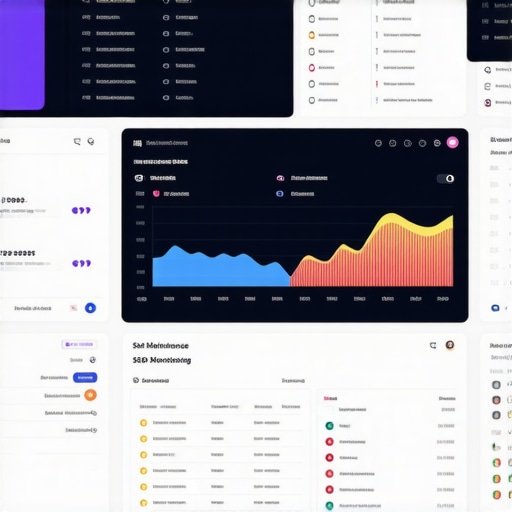
Illustration of a modern website backend dashboard showcasing analytics, SEO health checks, and automation setups for ongoing maintenance.
What the Quiet Experts Won’t Tell You About Building Trust
Early in my journey, I learned that technical SEO isn’t just about keywords and backlinks—it’s about understanding user behavior deeply. A lightbulb moment was realizing that a site’s architecture influences trust more than flashy visuals. The most effective websites I saw prioritized behind-the-scenes usability, which amplified their reputation naturally.
My Secret Arsenal for Sustainable Growth
Tools like Google Search Console and GTmetrix became my allies in identifying issues before they escalated. I also swear by Semrush for insights into competitors’ strategies. These tools provide an unfair advantage, enabling informed decisions that foster genuine growth.
Building a Better Web Future Starts Today
Now, it’s your turn to combine aesthetics with technical mastery. Integrate modern design trends with robust SEO and trust-building strategies. Don’t wait for perfection—start experimenting with automation, optimize regularly, and stay curious about emerging technologies like AI-driven SEO analysis. Your website’s next chapter begins with taking decisive action now. For more futuristic insights, check out the future of web design.
What’s one barrier you’ve faced when trying to balance visual appeal with technical SEO? Share your experience below—I love learning from your challenges!



Reading this post resonated with my own experience in balancing design and SEO. Early on, I focused heavily on aesthetics, believing that visual appeal alone would attract visitors, but I quickly learned from analytics that load times and crawlability made all the difference. Implementing technical SEO strategies like image compression and structured data, while keeping the user experience seamless with modern, mobile-responsive designs, really transformed my site’s performance. I’ve also found that internal linking and a clear content hierarchy not only improve navigation but also boost SEO rankings naturally.
One challenge I’ve faced is maintaining consistency across various digital platforms without losing the brand identity. Has anyone found effective ways to streamline branding efforts while ensuring technical SEO best practices are followed? I’d love to hear your tips or tools that help keep everything aligned. This holistic approach to web design and SEO really underscores the importance of ongoing maintenance and staying curious about new technological trends like AI tools, which can automate routine tasks and allow us to focus more on strategy.
This post truly hits home for me. I’ve seen firsthand how neglecting technical SEO can undermine even the most stunning website visuals. Speed optimization, crawlability, and structured data aren’t just technical jargon—they’re fundamental to making your site more discoverable and credible in the eyes of both users and search engines. I recall redesigning my site around a modern minimalistic theme, but traffic stagnated until I focused on improving load times by compressing images and leveraging a CDN. The difference was night and day.
One area I’ve been exploring recently is the integration of AI tools for ongoing SEO audits, which seems promising for automating routine maintenance. Has anyone experimented with AI-driven SEO platforms? What’s your experience with their accuracy and reliability? I believe combining such automation with a strategic approach to design and content can offer a true competitive edge. Also, do you prioritize certain SEO tactics when balancing aesthetic upgrades? I’d love to hear your insights on maintaining that perfect harmony between form and function.