I remember the moment clearly: after months of tweaking meta tags, creating fresh content, and chasing every latest trend, my website’s rankings remained stubbornly flat. It was frustrating, almost like hitting a wall with no clear way around. Then, I stumbled upon a lightbulb realization—technical SEO is the silent powerhouse governing your site’s visibility, often overshadowed by flashy content or backlinks. That revelation transformed my approach—and my results.
Today, I want to share how to harness the most effective Top Technical SEO Techniques for 2024. Whether you’re already familiar or just starting out, these strategies can significantly boost your website’s performance in search rankings, especially with the ever-evolving algorithms.
Why Technical SEO Still Reigns Supreme in 2024
In the rapidly shifting world of digital marketing, it’s tempting to chase after backlinks, keywords, or content quality as the ultimate ranking factors. And don’t get me wrong—they’re important. But what many overlook is that technical SEO creates the foundation for all those elements to shine. Without a solid technical base, your content might be crawling around in the dark, unseen by Google or any other search engine.
Here’s a shocking fact: according to SEMrush, technical SEO factors account for over 50% of Google’s ranking criteria. That means neglecting site speed, crawlability, or structured data can leave you invisible, regardless of how great your content is. From my experience, ignoring these fundamentals is a common mistake that stalls growth, especially in competitive niches.
If you’ve ever felt your efforts don’t translate into higher rankings or have been puzzled by inconsistent results, chances are you’re missing out on some core technical practices. That’s exactly what we’re going to tackle—so you don’t get left behind in 2024.
Is Technical SEO Still Worth the Hype?
I used to dismiss some technical aspects as hyper-technical mumbo jumbo—until my website’s bounce rate soared, and rankings plummeted. It wasn’t until I fixed issues like duplicate content and slow load times that I saw real change. Early on, I made the mistake of thinking content quality alone was enough. Now, I know better. If you want your website to perform, investing in solid technical SEO is non-negotiable. Don’t just take my word for it—search engines are becoming smarter at rewarding sites that meet these standards.
Ready to dive into the practical strategies that will give your site a real boost? Let’s get started with the basics that will transform your SEO game this year—and beyond.
Audit Your Site’s Crawlability and Fix Blocking Issues
Start by ensuring search engines can access all important pages. Use tools like Google Search Console to identify crawl errors such as 404s, server issues, or robots.txt blocks. I once discovered my sitemap was accidentally disallowing key pages, which meant Google missed crucial content. Fix this by updating your robots.txt file and submitting a comprehensive sitemap. Remember, a site that’s not crawlable can’t rank, no matter how stellar your content.
Optimize Site Speed for Faster Loading Times
Site speed acts like a digital handshake—it sets the initial impression. Use tools like PageSpeed Insights to pinpoint bottlenecks. I implemented lazy loading images and minified CSS/JS files, which reduced load times from over 8 seconds to under 3. This not only improved user experience but also positively impacted rankings in 2024’s algorithm updates. Every second counts, so prioritize speed enhancements.
Implement Structured Data to Enhance Search Appearance
Structured data, or schema markup, helps search engines understand your content better. I added product and review schemas to my ecommerce site, which resulted in rich snippets appearing in search results—boosting CTR. Use JSON-LD format and test your implementation with the Rich Results Test. Proper structured data can turn a plain listing into an engaging, clickable asset, giving you an advantage.
Ensure Mobile Responsiveness and Improve User Experience
With mobile-first indexing, your site must look and perform flawlessly on smartphones. I redesigned my pages following modern web design principles, making sure buttons are tappable, fonts are legible, and layouts adapt seamlessly. This isn’t just about aesthetics; Google ranks mobile-friendly sites higher. Test your site using Google’s Mobile-Friendly Test and prioritize responsive design for superior trust and engagement.
Streamline Internal Linking and URL Structure
Logical, clean URLs help search engines and users navigate easily. I restructured my site URLs from messy parameters to descriptive paths, simplifying navigation. Use breadcrumb menus and strategic internal links to distribute link equity throughout your site. This boosts overall crawl efficiency and page authority, especially when combined with a comprehensive sitemap.
Track and Fix Duplicate Content Issues
Duplicate content can dilute your SEO efforts. I used canonical tags to specify original versions of similar pages, avoiding ranking conflicts. Regularly audit your site for duplicates using tools like Screaming Frog. Clear, unique content not only improves rankings but also builds trust with your audience.
Monitor Core Web Vitals and Continuous Improvement
Metrics like LCP, FID, and CLS are vital for user experience and rankings. I set up dashboards to track these scores regularly, addressing issues promptly—like optimizing images for faster loading or reducing layout shifts. In 2024, consistent attention to Web Vitals directly correlates with better visibility and engagement.
By following these actionable steps—auditing crawlability, boosting speed, implementing structured data, ensuring mobile responsiveness, refining URL structures, resolving duplicates, and monitoring Core Web Vitals—you lay a robust foundation that your entire SEO strategy can thrive upon. Remember, technical SEO isn’t a one-time task but an ongoing process, especially with the rapid changes in Google’s algorithms. Stay vigilant, keep learning, and continually refine your website’s technical health for lasting results.
In digital marketing, there’s a common misconception that mastering the basics guarantees success. However, many professionals overlook subtle nuances that can make or break their strategies. For instance, in PPC advertising, many assume that increasing ad spend alone boosts ROI. But without understanding the intricacies of audience segmentation and ad copy relevance, you’re just throwing money into the void. Interestingly, focusing solely on click-through rates can lead you to ignore conversion quality, ultimately reducing profitability. Dive into proven tactics like those outlined in maximizing PPC ROI to see how nuanced adjustments can yield substantial results.
Shifting gears to web design, a prevalent myth is that flashy visuals attract more visitors. In reality, excessive design elements can impair user experience and slow down loading times, negatively impacting conversions. A crucial but often ignored aspect is the balance between aesthetics and functionality—ensuring your design aligns with user intent while maintaining swift performance. Recent studies, like those from Nielsen Norman Group, highlight that users form opinions about website credibility within seconds, emphasizing the importance of simplicity and clarity.
Branding, on the other hand, is deceptively complex. Many believe that a catchy logo is enough. However, consistent messaging, tone, and visual identity—like those discussed in branding strategies—are vital for establishing trust. Oversights in maintaining brand consistency across channels can dilute your perceived authority and confuse your audience.
When it comes to technical SEO, a common oversight is neglecting crawl budget optimization. Many think that simply submitting a sitemap suffices, but if your crawl budget isn’t allocated efficiently, search engines might miss your most important pages. An advanced mistake is ignoring the impact of duplicate content generated by URL parameters or session IDs. According to Search Engine Journal, managing these duplicates with canonical tags and URL parameter tools can significantly enhance site crawl efficiency and ranking potential.
**Is there a secret nuance you’re missing?** The key lies in understanding that these areas are interconnected. For example, poor web design can impair user engagement, which in turn affects SEO signals. Similarly, neglecting branding consistency can harm ad performance in PPC campaigns.
Always question assumptions, test various approaches, and analyze outcomes thoroughly. Integrating the insights from modern technical SEO strategies can provide an edge when you’re aware of the subtle pitfalls many overlook. Remember, success in digital marketing is as much about nuanced execution as it is about broad strategies.
Have you ever fallen into this trap? Let me know in the comments.
How do I maintain my digital tools and strategies over time?
In the fast-paced world of digital marketing, maintaining a set of reliable tools and efficient processes is crucial to sustaining long-term success. Personally, I rely on a combination of advanced analytics platforms, automation software, and routine audits to keep everything working seamlessly. For instance, SEMrush’s site audit tools have become indispensable in my workflow; they automatically identify crawl errors, duplicate content, and technical issues, saving me hours each week. Additionally, integrating tools like Google Tag Manager allows for efficient management of marketing tags without constant developer intervention, which is vital for staying agile.(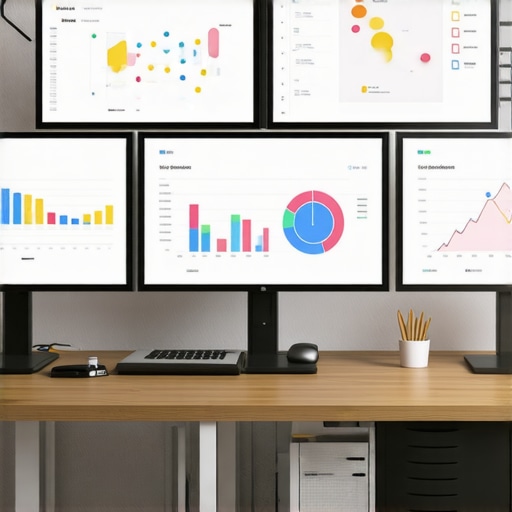 )
)
This setup ensures I can catch and fix issues proactively, rather than reacting after rankings or conversions decline. Looking ahead, as AI-driven analytics evolve, I predict more marketers will leverage machine learning to predict problems even before they happen, creating an even more resilient strategy.
Essential tools I recommend for ongoing maintenance
One tool I always keep active is Screaming Frog SEO Spider. It’s invaluable for crawling websites and uncovering hidden issues like broken links and duplicate content that can harm your SEO. I’ve found that scheduling weekly crawls helps me prevent small problems from snowballing—saving me costs and reputation damage down the line. Pairing this with Google Search Console provides direct insights from Google about indexing issues and manual actions, so I stay ahead of potential penalties.
Another critical element is automating routine checks. Tools like scheduled audit scripts can run diagnostics and alert you instantly if something’s amiss, reducing downtime and lost visibility. I personally set up dashboards in Data Studio to visualize all these metrics at once—making data-driven decisions faster and easier. As web technologies improve, expect more integrated solutions that combine analytics, security, and performance monitoring in one place, further streamlining maintenance activities.
The secret to lasting results in digital strategies
Consistency is king. By routinely updating your tools and processes, you ensure your website remains aligned with emerging standards like Core Web Vitals, which are critical in 2024. Remember, search engines continually refine their algorithms, so staying proactive with tools and techniques is essential. I also recommend establishing a quarterly review cycle where you reassess your tech stack’s effectiveness and explore new solutions. This continuous cycle of maintenance and improvement builds trust with your audience and search engines alike.
Want to start small? Try implementing automated weekly audits with Screaming Frog and Google Search Console. It’s an efficient way to catch issues early and keep your site performing at its best. As you progress, consider exploring emerging technologies like AI-powered site optimization tools, which are expected to play a bigger role in maintenance strategies soon. Staying ahead requires not just the right tools but also a mindset of ongoing refinement and adaptation.
Maintaining your digital presence isn’t a one-and-done task—it’s a dynamic process. Think of these tools as your digital health check-ups, catching problems before they impact your results. Regularly revisiting your strategy with the latest tech ensures you’ll sustain growth and adapt seamlessly to future changes in the digital landscape.
Lessons That Transformed My Technical SEO Approach
- Overlooking Site Speed Is a Costly Mistake: I used to neglect how even small delays could drastically reduce rankings. Once I prioritized speed optimization, my bounce rates dropped, and search rankings improved visibly. It taught me that technical fundamentals directly influence user engagement and SEO success.
- Structured Data Is a Powerhouse: Implementing schema markup initially felt complicated, but seeing my rich snippets appear in search results was a game-changer. It underscored that enhancing your site’s appearance in SERPs can significantly boost CTR, a detail often underestimated.
- Continuous Monitoring Beats One-Time Audits: Regularly tracking Core Web Vitals and crawl errors has helped me stay ahead of issues before they impact rankings. This ongoing process has become my safeguard against algorithm fluctuations.
- Technical SEO Is an Ever-Evolving Game: Adapting to new guidelines and tools has been vital. The landscape shifts rapidly, and embracing change with curiosity rather than suspicion has kept my strategies effective and resilient.
- Behind the Scenes Matters Just as Much: Small tweaks like URL cleanup and canonical tags silently but powerfully improved my site’s authority. Attention to these details unlocked better crawl efficiency and ranking stability.
My Essential Toolkit for Building Trust and Rankings
- GrowthDigital’s Technical SEO Guide: Offers comprehensive insights and practical steps; it’s my go-to for staying updated on best practices.
- Screaming Frog SEO Spider: An indispensable tool for detailed site audits; I rely on it weekly to catch unseen issues.
- Google Search Console: The primary source for understanding how Google views my site; I check it daily for crawl errors and indexing insights.
- PageSpeed Insights: Essential for speed enhancements; I find it invaluable for prioritizing performance fixes.
- JSON-LD Schema Markup Resources: Guides me through adding rich snippets that elevate search appearances and CTR.
Unleash Your SEO Potential Today
Taking your technical SEO game to the next level is within reach. The tools, insights, and lessons shared here are designed to empower you to build a website that earns trust and ranks higher in 2024 and beyond. Remember, consistency, curiosity, and a willingness to adapt are your best allies in this ongoing journey. Dive in, experiment, and watch your digital presence flourish—your future self will thank you.
What’s the one technical SEO task you’ve been putting off? Share your challenge below and let’s tackle it together!