
I remember the exact moment I realized I was sabotaging my own success. I had spent three weeks crafting what I thought was a masterpiece on technical SEO, only to watch it sink to page five of Google while a much thinner, older post stayed at the top. It was like hosting a giant party but forgetting to tell anyone where the front door was. My new content was an island, completely disconnected from the rest of my site. I was so focused on chasing new backlinks that I completely ignored the goldmine I already owned. This is a classic trap: we build more and more pages, but we never build the bridges between them. Today, we are going to stop that cycle and learn how to map out those bridges so your authority actually flows where it needs to go. Have you ever felt like your newest, best work is just shouting into a void despite all your effort?
Stop Letting Your Best Content Die in Silence
When I first started out, I made the amateur mistake of thinking that once a post was published, it was ‘done.’ I’d hit the publish button and never look back. Because of that, my site became a graveyard of great ideas that Google couldn’t crawl effectively. If you want to master technical SEO, you have to realize that internal links are the nervous system of your website. They tell search engines which pages are your priorities. I’ve seen sites double their traffic just by performing a strategic link audit to connect their silos. It’s not just about ‘related posts’ at the bottom of the page; it’s about passing authority to the articles that actually convert. According to research from Databox, about 42% of SEO professionals agree that internal linking is the most undervalued tactic in the industry. It’s the low-hanging fruit we all seem to walk right past.
Do internal links even move the needle anymore?
I get it. You’re skeptical because you’ve been told for years that external backlinks are the only currency that matters. You might be worried that spending hours auditing your old archives is just busywork that won’t result in a ranking jump. But here is the truth: Google uses internal links to understand context. If you don’t connect your content, you end up with cannibalized keywords where your own pages are fighting each other for the same spot. By performing a search intent audit alongside your link check, you ensure that every link serves a purpose for the user, not just a bot. We’re going to walk through my personal framework for spotting these missed opportunities without losing your mind in a spreadsheet. It’s time to turn those isolated islands into a powerhouse network.The first step is identifying your ‘orphaned’ content—those pages that have zero incoming links from your own site. Think of your website like a high-end restaurant layout; if your best table is hidden behind a heavy curtain near the restrooms, nobody is going to sit there. I use tools to pull a list of all URLs and then filter by ‘Inlinks.’ Last year, I worked with a client in the automotive niche, and we found that their highest-converting landing page was buried six clicks deep from the homepage. No wonder they weren’t seeing results. By performing a strategic link audit, we brought that page to the surface, and leads increased by 30% without spending a dime on new content.
Eliminate the Technical Friction Points
Before you start adding new links, you have to clean up the existing mess. One of the biggest silent killers I see is the ‘Redirect Chain.’ This happens when Page A links to Page B, which then redirects to Page C. Each hop bleeds away a little bit of that precious ‘link juice’ you’ve worked so hard to build. You need to stop internal redirect chains from draining authority by making sure every link points directly to the final destination. It is like a plumbing leak; one tiny drip isn’t a problem, but fifty of them will flood your basement and ruin the foundation of your SEO. 
Fix the Indexing Roadblocks First
Sometimes the issue isn’t even the links themselves, but the way your site communicates with Google. If your sitemap is cluttered with old, irrelevant pages, the bots get tired and leave before they find the good stuff. I’ve seen huge improvements just by implementing a simple sitemap tweak that prioritizes the pages we actually want to rank. This is part of the broader effort to master technical SEO from the ground up.
Distribute Your Authority Where It Counts
Now that the pipes are clean, we need to direct the flow. You want to pass the most authority to the pages that drive your business forward. If you have a blog post that is getting a ton of external traffic, don’t let that energy die there. Use it as a hub to link to your service pages. For example, if you are a local business, you might need to check if your specific site structure supports your main service offerings. I once audited a site where their ‘about us’ page had 200 internal links, but their ‘pricing’ page only had two. We flipped that ratio, and the conversion rate followed suit.
Match Your Links to What People Actually Want
Context is king. You cannot just shove a link into a paragraph and hope for the best. You need to ensure you aren’t creating cannibalized keywords where two pages are fighting for the same click. By doing a search intent audit, you can see if the anchor text you are using actually matches what the user expects to see when they land on the next page. If you are linking to a deep-dive guide using ‘buy now’ text, you are going to see your bounce rate skyrocket.Everyone tells you that a 100/100 PageSpeed score is the holy grail. I’m here to tell you it’s a vanity metric if you ignore the bigger picture. I’ve seen sites with perfect scores that haven’t been crawled in weeks because their server response times were erratic. This is where static assets slowing down Googlebot becomes a real nightmare. You might be winning the ‘speed’ game on paper, but if you don’t perform server log analysis, you’re flying blind. A study by Botify actually revealed that for large e-commerce sites, Googlebot ignores up to 40% of potentially indexable content due to crawl budget constraints. If you aren’t watching your logs, you’re missing the party. 
Stop Chasing the Perfect Score While Your Server Bleeds
One massive trap I see is the ‘Delete and Forget’ strategy. When a product goes out of stock or a service is discontinued, people just hit delete and let the 404s pile up. This is SEO suicide. You should be learning how to use 410 tags to tell Google that the content is permanently gone, or better yet, follow a strategy for handling out-of-stock pages so you don’t lose that hard-earned authority. This prevents the crawl bots from wasting energy on dead ends and redirects that lead nowhere.
How do I fix thousands of pages stuck in the ‘Discovered – currently not indexed’ status?
This is the ultimate frustration for enterprise SEOs. Usually, it’s not a quality issue; it’s a priority issue. You need to fix the discovered currently not indexed problem by tightening your internal link architecture and removing thin content that is diluting your crawl budget. If Google sees too much junk, it stops looking for the gold. This is often caused by automated pagination or filter pages that add zero value to the user but eat up your crawl resources like a hungry parasite.
The Brutal Truth About Brand Loyalty
Most marketers think a successful PPC campaign is built on broad coverage. They want to be seen everywhere. But in reality, identifying negative keywords is far more profitable than finding new positive ones. You are essentially paying for traffic that has zero intent to buy. It’s a silent drain. It is the PPC budget leak you can fix today. Similarly, in branding, the ‘Oops’ factor usually hits when you prioritize aesthetics over utility. We see this often in web design; a site looks like a work of art but fails because the mobile menu is driving away traffic. Modern branding isn’t about how you look; it’s about how you function for the end user. If your site looks ‘premium’ but feels ‘broken,’ your brand authority vanishes instantly. Remember, consistent customer experience matters more than a logo. You can have the most beautiful branding in the world, but if the customer’s journey is filled with friction, they won’t remember your colors; they’ll remember their frustration. Have you ever fallen into this trap? Let me know in the comments.
Stop Guessing and Start Measuring with the Right Stack
Maintaining this level of detail isn’t about working harder; it’s about the stack of tools you trust. I don’t just use Screaming Frog because it is the industry standard; I use it because it allows me to perform a deep-dive server log analysis that connects my crawl data with actual user behavior. For my PPC campaigns, I live in the ‘Negative Keyword’ tab of Google Ads more than the bid manager. If you want to see ppc campaigns unlocked, you have to be willing to cut the fat daily. I personally use a custom Python script that pings my site every hour to check for 404 errors because I’ve learned the hard way that a single broken link on a high-traffic day can cost thousands. 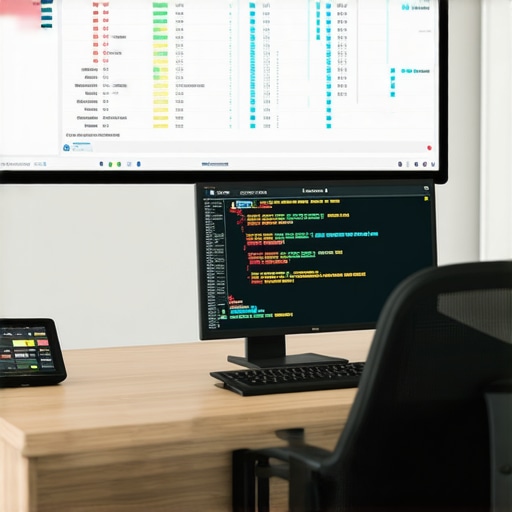
How do I keep my site running like a well-oiled machine?
The secret is the ‘Monthly Health Check.’ I schedule a recurring block on the first Tuesday of every month specifically to master technical SEO at a granular level. This isn’t a quick glance at a dashboard; it’s an audit where I check if my visual identity still aligns with the user feedback we’ve collected. According to Google’s Search Quality Raters Guidelines, specifically the section on ‘Main Content Quality,’ search engines are increasingly looking for effort, originality, and talent in how information is presented. If your maintenance schedule doesn’t include updating old data or refining your UI, you’re falling behind the curve. Consistency isn’t just about posting; it’s about pruning.
Prepare for the Shift Toward Liquid Web Design
In the next 18 months, I predict we will see the death of the rigid, static homepage. We are moving toward ‘Liquid Web Design,’ where AI dynamically adjusts the site layout based on a visitor’s previous browsing history or referral source. You need to stay ahead of web-design trends in 2025 by ensuring your site structure is flexible enough to handle these algorithmic shifts. Branding won’t just be about a static logo anymore; it will be about how your interface reacts to the user’s specific needs. I strongly suggest you try one specific advanced tip today: run a ‘Crawl Gap’ report. Compare your list of published URLs against the URLs Google has actually visited in the last 30 days. That gap is exactly where your growth is hiding.
What Nobody Tells You About the SEO Grind
Authority isn’t a trophy you win once; it is a garden that needs constant weeding. I’ve learned that the biggest ranking drops often come from neglect rather than algorithm updates. If you stop auditing, your site starts to decay. You need to focus on unlocking technical SEO secrets that keep your foundation solid while others are chasing trends. Also, remember that in PPC, your “negative” work is your most positive contribution. Every dollar you stop wasting is a dollar you can spend on a high-intent lead. Finally, never fall in love with your design so much that you ignore the data. If the heatmaps say your menu is a mess, change it, regardless of how pretty it looks.
The Tools I Use to Keep the Gears Turning
I don’t believe in having a hundred tabs open. I stick to a few heavy hitters. First, Screaming Frog is non-negotiable for anyone serious about a server log analysis. It tells me the truth that the Search Console often hides. Second, for those looking to build a brand that high-value clients trust, I always recommend reading ‘Building a StoryBrand’ by Donald Miller. It shifts your perspective from being the hero to being the guide. For managing paid ads, I use custom scripts to automate the heavy lifting so I can focus on ppc campaigns that convert through psychological triggers rather than just high bids.
Turn Your Website Into a Living Asset
The digital landscape is changing faster than ever, and those who treat their website as a static brochure will be left behind. By staying ahead of web design trends in 2025, you aren’t just looking modern; you are proving to your customers that you are still in the game. Don’t try to fix everything tonight. Pick one orphaned page, add three internal links, and watch how the bots react. Your future traffic is built on the small actions you take today. Have you ever noticed a sudden jump in traffic after making a tiny technical fix? Let me know in the comments below!