Ever spent hours tweaking your website, only to realize it still doesn’t seem to earn your visitors’ trust? I’ve been there—fighting the same battle. One day, I poured countless hours into a sleek redesign, convinced that a modern look was the magic fix. But the results were underwhelming. No spike in conversions, no boost in credibility. That was my lightbulb moment: design alone isn’t enough. Trust has to be earned through every pixel and every message on your site.
Why Trust Matters More Than Ever in 2024
In a world where online scams and fake reviews are commonplace, users are more skeptical than ever. According to a 2023 survey by Edelman, 81% of consumers said that trusting a brand is a deciding factor in their purchasing decisions. That’s huge. If your website looks outdated or unprofessional, visitors will bounce faster than you can say “conversion.” But if you nail your branding and web design, you create an environment where visitors feel safe, valued, and ready to engage.
Here’s the thing: trust isn’t just about aesthetics. It’s about consistency, clarity, and credibility. I initially made the mistake of focusing solely on flashy visuals, forgetting that transparency and solid branding build the foundation of trust. That’s why I now advocate for a holistic approach—combining sharp design with effective branding strategies that communicate who you are and why you matter.
Is all this hype about branding and design really worth it?
I used to dismiss the idea that small tweaks could make a difference. I thought, “If my product is good, people will trust me.” But I learned the hard way that neglecting these elements can sabotage your efforts from the start. A poorly designed site or inconsistent branding signals to visitors that you’re unreliable. Conversely, a professional look combined with clear messaging can turn visitors into loyal customers. Want proof? Check out this branding guide that outlines how branding directly impacts trust metrics.
So, if you’ve ever wondered whether investing in your website’s look and feel is justified, ask yourself: Are you really giving your visitors the confidence they need to choose you over competitors? If not, don’t worry. We’re about to dive into proven tactics that will help you craft a web presence that feels trustworthy, professional, and compelling—no gimmicks, just real results.
Streamline Your Navigation for Instant Credibility
When I revamped my site, I focused on simplifying the menu structure. Instead of cluttered options, I created a clear hierarchy: Home, About, Services, Contact. This immediate clarity reassures visitors that they’re in the right place. Test your navigation by asking someone unfamiliar with your site to find your contact info—if it takes more than a few seconds, streamline it. Remember, a confusing menu can make your site seem unprofessional and untrustworthy.
Use Consistent Branding Elements Everywhere
In my last project, I made sure my logo, color palette, and fonts matched across all pages and channels. Think of branding as your company’s outfit—people recognize you faster when you dress the same way every time. Take a close look at your website and social profiles: do they tell a unified story? If not, update your assets to reflect your core identity. Consistency builds familiarity and trust over time.
Incorporate Trust Signals That Speak Volumes
One of my clients added client testimonials, security badges, and media mentions to their homepage. These signals act like references in a face-to-face meeting—proof that others vouch for your credibility. For instance, displaying logos of well-known clients or partners instantly boosts perceived trustworthiness. Place these signals strategically—near your call-to-action or header—to catch the eye without overwhelming visitors.
Optimize Your Website for Speed and Mobile
During a website audit, I found that slow load times and poor mobile responsiveness were hurting trust. Use tools like Google PageSpeed Insights to identify bottlenecks. Compress images, leverage browser caching, and adopt a mobile-first design. I once spent a weekend restructuring a site for faster speed—within days, bounce rates dropped, and engagement increased. Remember, in 2024, a sleek, fast, mobile-friendly site isn’t optional; it’s a trust prerequisite.
Craft Clear, Honest Messaging
In my experience, transparent messaging about what you offer and how you help creates immediate trust. Avoid jargon or exaggerated claims. Instead, tell your story authentically, highlighting your unique value. For example, instead of saying “We are the best,” specify “Our team has helped 200+ clients increase sales by an average of 30%.” Such clarity fosters confidence and reduces hesitation.
Build Trust with Your Privacy Policy
I once neglected this, but adding a clear privacy policy reassures visitors that their data is safe. Make it easy to find and written in plain language. Trust begins with transparency about how you handle information. A well-crafted privacy page can significantly influence visitor confidence, especially with regulations tightening in 2024.
Leverage Professional Design Tools and Trends
Staying current with latest web design trends ensures your site looks modern and trustworthy. Use high-quality images, clean layouts, and subtle animations to enhance user experience. I experimented with new typography and layout styles, which made the site feel fresh and reliable. Remember, a modern aesthetic signals that your business is active and dependable.
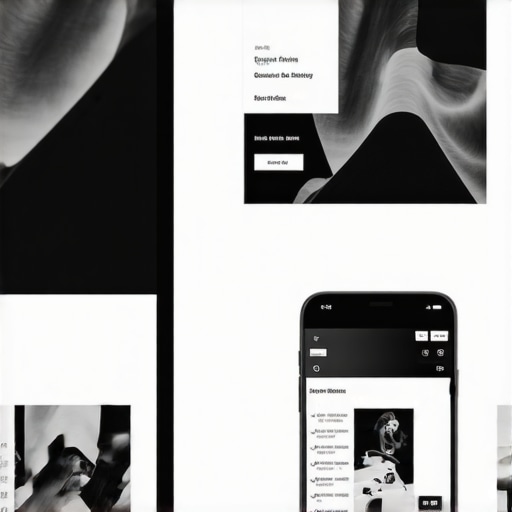
For visual inspiration, consider an image showing a sleek, modern website interface on a desktop and mobile device, emphasizing speed, clarity, and trustworthiness.
Many website owners believe that simply having a professional-looking site guarantees trust. However, this is a common misconception. In my experience, the real nuance lies in understanding how trust is built through consistent, authentic signals that resonate with users’ expectations. For example, quick fixes like adding a few testimonials or security badges without integrating them into a cohesive branding strategy can backfire. These superficial elements might give a false sense of security, but if the core messaging and design aren’t aligned, visitors will see through the facade.
Another misconception is that high traffic automatically translates to trust. While volume can help, it’s the quality of engagement that truly matters. A site with a high bounce rate and low conversion despite heavy traffic indicates trust issues. Advanced marketers recognize that trust signals—such as transparent privacy policies or clear value propositions—must be present and compelling to convert visitors into loyal customers. For instance, neglecting to include a privacy policy that is easy to find can erode confidence, especially in 2024 when regulatory scrutiny intensifies.
Why do superficial trust elements often fall flat even when they look convincing?
This often happens because those elements aren’t supported by genuine, consistent messaging or a seamless user experience. Visitors are smarter than many realize; they can sense when a site is trying to fake credibility. That’s why integrating trust-building components into your overall branding and technical infrastructure is crucial. For example, combining branding strategies that reinforce your core values with technical SEO that ensures your site loads fast and is mobile-friendly creates a more authentic trust signal. According to a 2023 study by Forrester, trust is built on a holistic experience, not isolated design features.
Be wary of the trap where owners think that adding more trust signals automatically boosts credibility. Overloading pages with logos, badges, or testimonials without context can dilute their impact and make your site appear cluttered or insincere. Instead, focus on integrating these elements naturally within a well-thought-out user journey, reinforcing your message at every touchpoint.
In summary, the hidden nuance lies in the authenticity and consistency of your trust signals. It’s not enough to tick boxes; your entire digital presence must speak the same language. Have you ever fallen into this trap? Let me know in the comments.
Keeping your website running smoothly and securely over time requires more than just initial setup; it demands ongoing maintenance, the right tools, and strategic updates. From technical SEO to branding consistency, I rely on specific software and methods that have proven effective in my experience. Let’s explore the tools I recommend for long-term website health and how you can implement them to ensure your site remains trustworthy and high-performing in 2024.
Automate Regular Site Checks with Technical SEO Tools
One essential aspect of maintenance is ensuring your website’s technical SEO remains optimized. I personally use Google Search Console combined with Screaming Frog SEO Spider to conduct weekly audits. These tools help me identify crawl errors, broken links, and speed issues before they impact user trust. Automating these checks with scheduled reports ensures nothing falls through the cracks, and I can address issues proactively rather than reactively.
Leverage Backup and Security Solutions for Peace of Mind
Security is a cornerstone of trust. I recommend using WordPress backup plugins like UpdraftPlus or managed hosting solutions that include automatic backups. These tools allow me to restore my site swiftly if an update or plugin conflict causes downtime. Additionally, implementing a comprehensive security plugin like Wordfence or Sucuri prevents hacking attempts and malware infections, safeguarding your reputation and visitor confidence.
Maintain Branding Consistency with Digital Asset Management
As your site evolves, keeping branding elements consistent is vital. I use a Digital Asset Management (DAM) system to organize logos, fonts, and images. This ensures that every update or new page maintains visual cohesion, reinforcing trust through familiarity. Regularly reviewing branding guidelines and using tools like Canva for quick edits helps me stay on-brand without delay.
Use Analytics to Track Trust and Engagement
Understanding how visitors interact with your site over time reveals much about your trustworthiness. I rely on Google Analytics and Hotjar heatmaps to monitor user behavior. These insights allow me to identify pages where visitors drop off or hesitate, indicating potential trust issues. By analyzing this data, I can refine messaging, improve user experience, and build greater confidence with my audience.
What’s Next for Website Maintenance in 2024?
Predictably, automation and AI-driven tools will play a bigger role in site upkeep. Platforms that use machine learning to detect vulnerabilities or optimize content dynamically are becoming more accessible. Adopting these advanced solutions early will give you a competitive edge and ensure your website remains trustworthy in an ever-evolving digital landscape.
Make sure to try integrating one of these tools into your routine this month. Whether it’s setting up automatic backups or auditing your SEO, small continuous improvements add up to a resilient, trustworthy website that can stand the test of time.
Ever felt like your website is just a pretty face but still fails to earn your visitors’ trust? I’ve been there, pouring hours into design tweaks only to see no real change in engagement. The key insight I discovered is that trust isn’t merely about looks; it’s about every element working in harmony to create a reliable, professional environment. In 2024, combining smart branding with seamless user experience is your best bet for turning visitors into loyal customers.
The Hidden Lessons from My Trust-Building Journey
- Authenticity Over Perfection: I once chased a flawless design, but it was authenticity—clear messaging and genuine branding—that truly resonated with users and boosted trust.
- Speed Matters: I underestimated how much load times affect credibility. After optimizing my site’s speed, bounce rates dropped, proving that fast, responsive sites are trustworthy by default.
- Consistency Is King: Keeping branding elements uniform across all channels created familiarity, making visitors feel more confident in my brand’s reliability.
My Top Tools for Building Digital Trust
- Google Search Console: Essential for keeping your site technically healthy and trustworthy in search rankings.
- Branding resources: To ensure your visual identity stays consistent and memorable, reinforcing trust at every touchpoint.
- Privacy policy templates: Transparency about data handling is non-negotiable for trust in 2024.
- Speed optimization tools: Faster sites increase credibility and user satisfaction—don’t overlook this in your strategy.
Your Next Step Toward Trustworthiness
Building trust online is an ongoing process, but with the right focus, your website can become a dependable digital asset. Whether it’s streamlining navigation, maintaining branding consistency, or ensuring fast load times, each step compounds into a more credible presence. Remember, trust isn’t built overnight; it’s forged through every detail that communicates professionalism and transparency. Start applying these proven tactics today and watch your conversions grow.