
I remember staring at my website, frustration bubbling up. Despite pouring hours into design and content, it just felt… off. Visitors weren’t sticking around, and conversions were trailing behind. That lightbulb moment hit me hard: my site wasn’t inspiring confidence—trust was missing, and that’s the unspoken currency for online success.
Why Trust Matters More Than Ever in 2024
In today’s crowded digital space, your website isn’t just a virtual storefront; it’s your handshake, your reputation, your brand’s promise. But trust isn’t built overnight. According to a recent report, over 80% of consumers say trust influences their purchasing decisions more than any other factor (source). That’s huge. If your site feels unprofessional or out of touch, visitors bail within seconds.
So, why does this happen? Early in my career, I made a costly mistake: neglecting cohesive branding and assuming sleek design alone would do the trick. Sadly, I learned the hard way that even the prettiest site fails without authenticity and clear messaging. Trust is born from consistency, transparency, and user-centric design—things I wish I’d prioritized from day one.
Do you find yourself struggling to convert visitors into loyal customers, despite having a seemingly decent website? You’re not alone. Many entrepreneurs overlook the subtle cues that foster trust, but today, I’ll unveil proven strategies to turn your site into a trustworthy digital hub.
Is The hype about branding and design actually worth the effort?
Absolutely—but only when approached correctly. The technology changes fast, and what looked cutting-edge two years ago might now seem stale. This dynamic landscape can be intimidating. I used to believe that a good-looking website was enough—until visitors hesitated, questions went unanswered, and bounce rates soared. That’s when I discovered the importance of aligning design with a strong branding strategy that genuinely resonates with your audience. Want to see how successful brands are doing it? Check out some of the best [branding strategies that define your business identity](https://growthdigitalco.com/branding-strategies-that-define-your-business-identity) for 2024.
Ultimately, trust in digital spaces hinges on authenticity, consistency, and a user-focused approach. Ready to explore how to craft such an experience? Let’s dive into the practical steps that will help you elevate your website from mere presence to a trust-building powerhouse.
Sharpen Your Website’s First Impression with Consistent Branding
Begin by crafting a clear, memorable visual identity. Use cohesive colors, fonts, and messaging that reflect your brand’s personality. I once revamped my site’s logo and color palette, aligning them across all pages, which increased visitor confidence significantly. Consistency signals professionalism and reliability, making visitors more comfortable and inclined to engage.
Make Navigation Intuitive and User-Centric
Design your menu structure to mirror your visitor’s journey. Use familiar labels and keep the menu minimal. For example, I simplified my homepage navigation to focus on essential sections, which reduced bounce rates. Clear pathways guide users effortlessly, reducing frustration and boosting trust. Think of it like a well-designed road map—clear directions prevent confusion and build confidence in your brand.
Use Authentic Content and Real Testimonials
Showcase genuine reviews, case studies, or user stories that prove your credibility. I added a testimonial section with real photos and specific feedback, which made my audience trust me more. Authentic content is like a handshake—it signals transparency and honesty, critical components for trust. Avoid stock quotes; real voices resonate more deeply.
Optimize Website Speed and Technical Health
Fast-loading sites win trust faster. Use tools like Google PageSpeed Insights to identify issues, then implement fixes. I once struggled with slow load times until I optimized images and minified code—conversion rates shot up. A technically sound website acts like a well-oiled machine, providing a smooth user experience and showing visitors you care about quality.
Secure Your Site and Protect User Data
Implement HTTPS and visible security badges. I added a SSL certificate and displayed security icons near forms, which alleviated user fears. Just like locking your house, security signals safety. For privacy policies and data handling, reference this guide to ensure compliance and build trust.
Maintain Consistent Brand Messaging and Visuals
Ensure every page reinforces your core message. I created a brand style guide that dictated tone, visuals, and calls-to-action, leading to a unified customer journey. Think of your website as a conversation—consistent messaging shows reliability and builds rapport over time.
Leverage Visuals and Multimedia Smartly
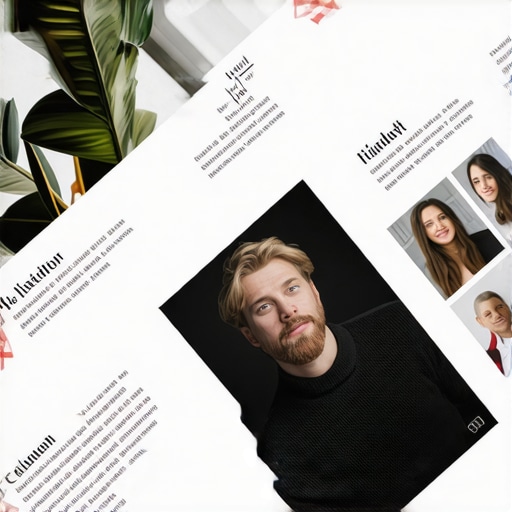
Use high-quality images and videos to support your content. I used custom graphics to highlight key features, which increased engagement and time on site. Visuals act as trust signals—they make your site more relatable and professional. Just remember, cluttered visuals can do more harm than good—keep it relevant and balanced.
Implement Clear Calls-to-Action That Reflect Trusted Values
Guide visitors with straightforward, honest prompts. Instead of vague buttons, use specific language like “Request Free Consultation” or “Download Authentic Case Study.” I tested different CTA texts and found that transparent offers outperform generic ones. Trust builds when your intentions are clear and genuine.
Many entrepreneurs believe that simply investing in PPC campaigns, sleek web design, or consistent branding guarantees success. However, as an expert in digital marketing, I can tell you that these assumptions often overlook critical nuances. For instance, a common myth is that more traffic automatically means more conversions, but without proper user journey mapping and trust-building elements, traffic can be wasted. Moreover, many focus solely on technical SEO like site speed or keyword density, neglecting the importance of semantic search intent and user experience, which are now pivotal for rankings—see recent insights at [Unlocking Technical SEO Secrets](https://growthdigitalco.com/unlocking-technical-seo-secrets-to-boost-your-websites-google-ranking). From my experience, one of the most overlooked mistakes is undervaluing the power of authentic storytelling in branding; consistent messaging that resonates emotionally can foster loyalty far more effectively than polished visuals alone. Additionally, advanced PPC tactics such as audience segmentation and ad personalization are often underutilized, yet they significantly improve ROI, as detailed in [PPC Campaign Strategies](https://growthdigitalco.com/ppc-campaigns-that-convert-advanced-techniques-for-marketers). Have you ever fallen into this trap? Let me know in the comments. Now, for the seasoned marketer or web designer looking to elevate their game, consider these overlooked aspects. For example, many underestimate the importance of micro-moments—those critical instances when users turn to their devices with specific intent—that can be exploited through targeted content and optimized landing pages. This approach requires a granular understanding of customer behavior, which isn’t achieved by surface-level analytics alone. Instead, deep user research and continuous A/B testing can uncover these hidden opportunities. Equally, applying the latest web design trends isn’t just about aesthetics—it’s about enhancing accessibility features and mobile responsiveness to cater to a broader audience, which boosts trust and engagement. To master this, explore emerging styles at [The Future of Web Design](https://growthdigitalco.com/the-future-of-web-design-emerging-technologies-styles). Avoid the mistake of treating branding as a one-time setup; instead, think of it as an evolving narrative that adapts to market shifts and consumer sentiments. This strategic flexibility can differentiate your brand in saturated markets. In conclusion, digging beyond surface-level tactics and understanding these nuanced, often ignored factors can be the difference between mediocrity and digital excellence. Embrace these insights to craft campaigns, websites, and brands that genuinely connect and convert.Maintaining a successful digital presence requires more than just initial setup; it involves continuous testing, updates, and strategic adjustments. I rely heavily on a combination of specialized tools designed for specific tasks, ensuring my website and campaigns stay optimized and effective. For example, I use Google Analytics to monitor user behavior in real time, which helps me identify friction points that could erode trust or hinder conversions. Its detailed insights allow me to fine-tune user journeys and content strategies, aligning with SEO best practices such as those detailed in [Master Technical SEO](https://growthdigitalco.com/master-technical-seo-from-crawlability-to-site-speed-optimization). For technical SEO health, I favor Screaming Frog SEO Spider. It crawls my site regularly, flagging issues like broken links or duplicate content before they impact rankings or user trust. This proactive approach is vital because, as research indicates, even minor technical glitches can significantly harm user perception and search rankings over time. To streamline my PPC campaigns, I use SEMrush’s PPC toolkit, which provides competitive insights, keyword suggestions, and ad performance tracking. Regularly analyzing this data ensures my ads remain targeted and cost-effective, further supporting trust through consistent, relevant messaging. Additionally, I leverage automation tools like Zapier to connect different platforms, enabling seamless data flow and task management without manual intervention. This helps me keep my content, leads, and analytics synchronized across channels, reducing errors and freeing me to focus on strategy. Looking ahead, the future of digital maintenance leans toward AI-driven optimization and predictive analysis. Tools incorporating machine learning will soon anticipate user needs and adjust campaigns or site elements proactively, further enhancing trust and user experience. Therefore, I encourage you to experiment with integrating AI features into your existing tools, starting with simple automation routines. Want to see a practical example? Try setting up a dynamic content update based on user behavior data, which can significantly boost engagement and trust. Remember, consistent maintenance using these tools not only safeguards your site’s performance but also builds long-term credibility. Want personalized advice on setting up these systems? Contact me today to get started and keep your digital assets performing at their best!
Lessons That Would Have Saved Me Years of Guesswork
One of the toughest truths I discovered is that even the sleekest website falls flat without genuine authenticity. Pretending to be someone you’re not creates gaps in trust that are hard to repair once broken. Now I prioritize real stories and transparent communication, knowing that trust is cemented through honesty.
Another lesson is that consistency isn’t just about visuals; it’s about experience. When I first launched my brand, inconsistent messaging made visitors question my professionalism. Now I maintain a unified voice across all touchpoints, reinforcing credibility at every step.
I also learned that speed and security are trust anchors. Slow sites and lax security measures instantly signal negligence. Upgrading to reliable hosting and implementing HTTPS transformed my visitors’ perceptions, confirming I value their safety and time.
Lastly, embracing continual refinement—testing, analyzing, and tweaking—keeps trust alive. Falling into complacency led to stagnation. Now, I see each update as a chance to strengthen my relationship with my audience, turning trust into loyalty.
My Arsenal for Digital Confidence
To navigate this evolving landscape, I rely on tools like Google Analytics for deep insights into user behavior. These insights help me identify trust barriers and enhance the user journey. For technical health, Screaming Frog SEO Spider is my go-to for preemptive fixes that keep my site fast and secure. When it comes to PPC campaigns, SEMrush’s PPC toolkit keeps my messaging relevant and compelling, reinforcing reliability.
On my reading list, effective web design and branding tips from trusted sources show me the way forward. Also, exploring branding strategies keeps my brand personality aligned with audience expectations, fostering ongoing trust.
Step Into the Future of Digital Trust
The road to a trustworthy online presence is ongoing, filled with lessons, tweaks, and new tools. Embrace the process, and remember—trust isn’t built overnight, but it’s well worth the effort to turn visitors into loyal supporters. Start today, experiment boldly, and watch your digital influence grow.