
I remember the exact moment I realized my website was losing credibility. It was a quiet Tuesday afternoon when I checked my analytics and saw a sudden drop in traffic. My heart sank. Despite having a beautiful design and engaging content, something was off. It dawned on me that technical SEO issues, like slow site speed and poor crawlability, could be silently sabotaging my efforts.
Why Technical SEO and Web Design Matter More Than Ever in 2024
In today’s digital landscape, trust is everything. Your visitors want a website that looks good, loads fast, and is easy to navigate. But beyond aesthetics, search engines like Google prioritize technical SEO factors that ensure your site is accessible and optimized. If your website isn’t technically sound, even the most compelling content won’t reach your audience. This is why mastering effective technical SEO and web design isn’t just an option—it’s a necessity for building trust and authority this year.
Have You Faced the Frustration of Low Search Rankings Despite Great Content?
I used to think content alone was enough. Turns out, I was making a classic mistake early on—ignoring the behind-the-scenes technical health of my site. A fast, well-structured website signals trustworthiness to both users and search engines. When I finally dove into resources like mastering technical SEO, my rankings improved, and so did my conversions. Trust me, neglecting technical SEO is like building a house on shaky ground.
In this post, I’ll share practical tips and proven strategies to help you optimize your website’s technical aspects and design for maximum trust and search performance. Whether you’re just starting out or looking to refine your approach, these insights will set you on the right path to digital success in 2024 and beyond.
Let’s get started and turn your website into a trust-building machine.
Optimize Your Site Architecture for Crawlability
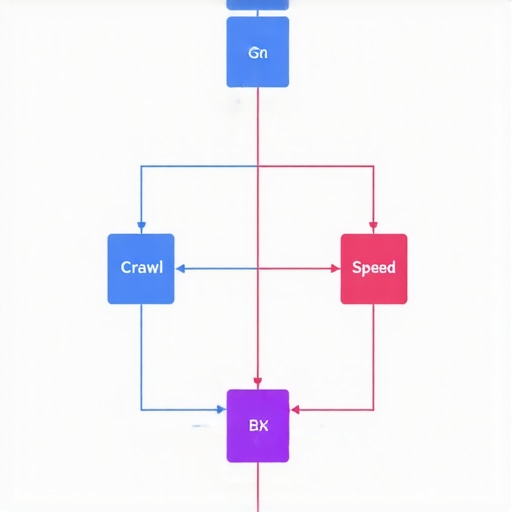
Think of your website like a city’s road system. If the roads are blocked or confusing, visitors and search engines get lost. Start by ensuring your URLs are clean and logical. Use hyphens to separate words and keep URLs short. Implement a clear hierarchy with a sitemap.xml file to guide search engines through your content. When I first cleaned up my URL structure and submitted a sitemap, I noticed search engines crawling my site faster, which boosted my rankings. For detailed strategies, visit mastering technical SEO.
Speed Up Your Website to Build Trust
Imagine walking into a store that takes ages to open. Frustrating, right? Site speed is a major trust factor. Use tools like Google PageSpeed Insights to identify bottlenecks — like large images or unminified scripts. I once compressed all my images, optimized my server response time, and eliminated unnecessary plugins. The result? My pages loaded twice as fast, and bounce rates dropped. Incorporate browser caching and consider a CDN for global performance. For comprehensive speed tips, check web design and technical SEO tips.
Ensure Mobile Compatibility for Broader Reach
Your website must be as effective on a phone as on a desktop. Use responsive design so your layout adapts seamlessly. I used a mobile-first approach—testing my site on various devices during redesign. This revealed navigation issues that I fixed with larger buttons and simplified menus. Google’s mobile-first indexing means your mobile site impacts search rankings directly. To stay current on trends, visit web design trends 2025.
Implement Structured Data for Better Visibility
Structured data acts like a digital blueprint for search engines, highlighting your content’s importance. I added schema markup for articles and products, which helped my listings stand out with rich snippets. This increased click-through rates and established authority. Use Google’s Structured Data Markup Helper to get started. For more insights, see technical SEO secrets.
Prioritize User Experience in Design
Design isn’t just about looks; it’s about guiding visitors effortlessly. Use clear navigation, consistent branding, and a clean layout. I replaced cluttered pages with whitespace and concise headings, which improved engagement. Incorporate visual cues like arrows or buttons that stand out. Remember, trust builds when users feel comfortable. Explore web design branding strategies for more ideas.
Maintain Security and Privacy Standards
A secure website (HTTPS) is non-negotiable. I upgraded to SSL, which not only protects visitors but also boosts SEO. Display trust badges and clearly state your privacy policy, like privacy policy. Regularly update your CMS and plugins to close vulnerabilities. Trustworthy sites are less likely to be penalized or flagged as unsafe, which can drastically affect rankings.
< >
>
Many website owners and even seasoned marketers tend to fall for oversimplified advice when it comes to technical SEO and web design. While it’s tempting to believe that fast loading speeds or mobile responsiveness alone will skyrocket your rankings, the reality is that the landscape is far more nuanced. Let’s dig deeper into what most people get wrong and uncover some hidden truths that can make or break your online success.
Why Following the Crowd Can Lead You Astray
One of the biggest myths is that implementing the latest SEO tricks or web design trends guarantees success. For example, many believe that just adding structured data will automatically improve rankings. While structured data does enhance visibility, it’s not a magic bullet. Search engines prioritize a comprehensive approach that includes site speed, crawlability, user experience, and content quality. Relying solely on one aspect can leave your site vulnerable to algorithm updates and competitive shifts. To avoid this trap, focus on building a solid foundation by mastering technical SEO fundamentals.
Another misconception is that web design is purely aesthetic. In truth, a beautiful website that’s slow or difficult to navigate undermines trust. Advanced design techniques, like micro-interactions or immersive interfaces, can enhance user engagement but only if they don’t compromise site performance. Prioritizing speed and accessibility alongside modern aesthetics is key. For insight into emerging design styles, explore future web design trends.
Avoid This Common Oversight When Optimizing Your Site
Many overlook the importance of comprehensive site audits that look beyond surface-level issues. For instance, fixing broken links or improving meta tags is helpful, but neglecting server response times, duplicate content, or incorrect implementation of structured data can sabotage your efforts. An often-overlooked pitfall is ignoring the mobile experience; even responsive sites can have usability issues that hurt conversions and rankings. Regularly auditing your site with tools like advanced technical SEO techniques ensures you stay ahead.
Additionally, beware of the trap of over-optimization. Stuffing keywords or overcomplicating site architecture may temporarily boost rankings but can lead to penalties or a poor user experience. Strive for natural, user-centric design and content that aligns with your audience’s needs. Remember, search engines are increasingly prioritizing trust signals such as security, usability, and content authenticity.
Is Your Site Truly Optimized for Trust and Authority?
Optimizing for trust involves more than technical fixes. It requires a strategic approach to branding, security, and content credibility. Incorporate clear privacy policies (privacy policy) and display trust badges to reassure visitors. Regularly updating your website’s backend and security certificates also plays a crucial role. Search engines evaluate these signals as indicators of your site’s authority and reliability.
In conclusion, effective technical SEO and web design demand a layered approach that considers the entire user journey and the evolving search landscape. Don’t fall for quick fixes or myths—invest in understanding the hidden nuances, and your site will build lasting trust and improve performance. Have you ever fallen into this trap? Let me know in the comments.
How do I keep my website running smoothly over time?
Maintaining your website’s technical health is an ongoing process that requires the right tools and a proactive approach. Personally, I rely on a combination of automated monitoring and manual audits to ensure my site stays optimized. Tools like Google Search Console are foundational because they provide real-time insights into crawl errors, indexing issues, and security alerts. I check it weekly to catch issues early before they affect rankings.
For a deeper technical review, I use Screaming Frog SEO Spider. This desktop application crawls my entire site, highlighting broken links, duplicate content, and page titles or meta descriptions that need updating. Its ability to simulate how search engines see your site is invaluable for catching issues that might otherwise go unnoticed.
Speed is critical, so I implement GTmetrix and Google PageSpeed Insights regularly. These tools identify bottlenecks like unoptimized images or excessive JavaScript. I prioritize fixing these on a scheduled basis—usually monthly—to keep my site fast and trustworthy in the eyes of both users and search engines.
Backups and security are often overlooked but vital. I use a reliable hosting provider with automatic backups and SSL certificates. Additionally, I monitor my site with security plugins like Wordfence to detect suspicious activity early.
Looking ahead, I believe automation and AI-driven diagnostics will become more integrated into maintenance workflows, making it easier to predict and prevent issues before they escalate. For now, combining these trusted tools with regular manual checks helps me ensure my site remains trustworthy and performs optimally over the long haul. If you want to streamline your maintenance, start by setting a monthly routine to review your analytics, security, and speed reports, and consider investing in tools like Screaming Frog for comprehensive audits.
Ready to elevate your site’s reliability? Try scheduling a quarterly audit using these tools, and watch how your long-term results improve.
The Hardest Lesson I Learned About Building Trust Through Technical SEO
One of the most eye-opening realizations I had was that a beautiful website isn’t enough. I once poured hours into design and content, only to see my rankings stagnate. The lightbulb moment was understanding that technical health—like crawlability and site speed—is the backbone of trust. Neglecting these aspects is like building a house on shaky ground; no amount of polish can hide the instability beneath.
Misconceptions That Could Hinder Your Progress
I used to believe that structured data alone could skyrocket my visibility. Turns out, it’s just one piece of a much larger puzzle involving speed, security, and user experience. Falling into the trap of following trends without mastering fundamentals can leave your site vulnerable to algorithm changes. The key is to focus on foundational technical SEO strategies, such as optimizing URL structure and ensuring mobile responsiveness, which I learned from mastering technical SEO.
The Power of Prioritizing User Experience
Design that guides visitors naturally and builds confidence is crucial. Simple navigation, fast-loading pages, and clear calls-to-action foster trust. I discovered that enhancing usability—like fixing navigation issues on mobile—had a direct impact on rankings and conversions. For current insights, explore web design trends 2025.
Strategies That Transformed My Approach
Regular site audits, using tools like Google Search Console and Screaming Frog, help me catch issues early. Compression of images and leveraging CDN services made my site faster, reducing bounce rates. Security updates and privacy policies are not just legal requirements—they’re trust signals search engines evaluate. Remember, building trust is an ongoing process requiring consistent attention and updating, which I now prioritize monthly.
Insider Wisdom from My Journey
- Don’t ignore the foundation: Technical SEO is the core that supports everything else. Prioritize crawlability and site speed before fancy design tweaks.
- Beware of quick fixes: Relying solely on trendy tactics like schema markup without a solid technical base can backfire.
- Think long-term: Regular audits and updates keep your site trustworthy and search-friendly, preventing costly issues later.
- Trust is layered: Security, usability, and authentic content together build authority and loyalty over time.
My Essential Toolkit for Web Optimization
- Google Search Console: I use it weekly for real-time insights on crawl errors and security issues. It’s the first step in staying proactive.
- Screaming Frog SEO Spider: A comprehensive crawler that helps me identify duplicate content, broken links, and other technical issues.
- GTmetrix and Google PageSpeed Insights: Critical for monitoring site speed and implementing performance improvements.
- SSL Certificates and Privacy Policies: Ensuring my site is secure and transparent has been a trust booster for visitors and search engines alike.
Your Turn to Try
Taking control of your website’s technical health and design can seem daunting, but the rewards are worth it. Remember, a trustworthy website isn’t built overnight—it’s crafted through continuous effort and learning. Start with foundational audits, optimize your speed, and ensure your site is mobile-friendly. Once you see consistent improvements, you’ll realize that trust and authority are the best investments in your digital success. Are you ready to make your website a true pillar of trust in 2024? Share your experiences or questions below, and let’s grow together!”} ,

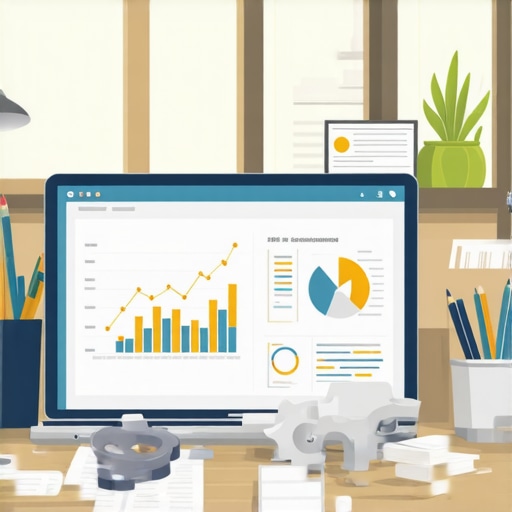

Reading through this detailed post really underlines how crucial technical SEO is, beyond just having good content or a pretty design. I’ve experienced firsthand how overlooking site speed and crawlability can hurt your rankings, even if your content is top-notch. A few years ago, I revamped my site’s structure and compressed images, and the difference was night and day, not just in rankings but also in user engagement. It’s fascinating how those behind-the-scenes elements build the foundation of trust.
I’m curious—what tools or checklists do others find most effective for ongoing site audits? I feel like a regular, comprehensive review is essential to adapt to ever-evolving search engine algorithms. Personally, I rely heavily on tools like Google Search Console and Screaming Frog, but I’d love to hear more about other successful strategies or tools used by fellow webmasters. How do you make sure your site remains technically sound over time while managing content updates?