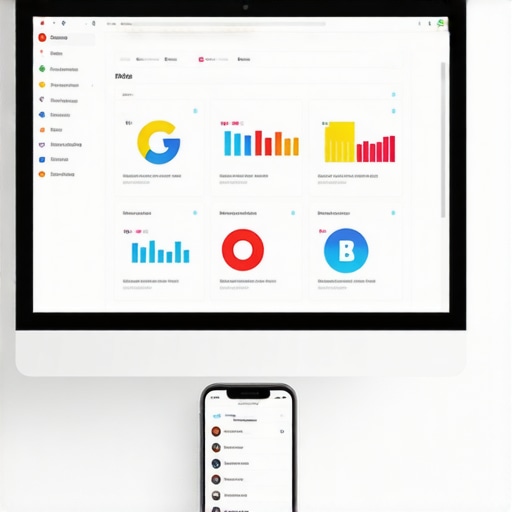
It was a feeling I won’t forget—seeing my PPC campaign’s metrics after months of effort and realizing most of my ad spend was fueling people who weren’t even interested in my offer. That lightbulb moment hit hard. I had been pouring dollars into clicks that looked good on paper but led nowhere. Sound familiar? If you’re tired of watching your budget evaporate on low-quality traffic, you’re not alone. In today’s post, I’ll share my journey from wasteful spending to targeted precision, showing you how to stop hemorrhaging cash and start attracting the right audience for 2026 and beyond.
Why Are Low-Intent Clicks Sabotaging Your Campaigns?
Here’s the harsh truth: not every click is created equal. Early on, I made the mistake of obsessing over click volume, believing more clicks meant more sales. It took me a while to realize that a shiny high number can be misleading. Research shows that nearly 70% of online shoppers conduct research before buying, but only a fraction are ready to convert immediately (source: Growth Digital Co). If you’re bidding on broad, generic keywords or targeting low-intent audiences, you’re essentially throwing your money into a black hole. And trust me, I’ve been there—wasting hundreds on clicks that never turned into clients. But there’s good news. Recognizing this mistake led me to pivot strategies, and I want to help you do the same.
The Biggest Skepticism: Is Cutting Low-Intent Traffic Really Effective?
I get it. Kicking out those seemingly innocent low-value clicks feels risky. I was terrified I’d cut off potential leads. But here’s what I learned: focusing on high-intent keywords and smarter targeting isn’t just a theory; it’s backed by data that shows improved ROI and better customer quality. When I started refining my audience and ad messaging, conversions skyrocketed, and I spent less overall. If you’re hesitating because you fear losing volume, remember: quality beats quantity every time. Would you like to explore how to identify high-value audiences effectively? Check out our guide on maximizing PPC ROI for detailed tactics that work.
Identify High-Intent Keywords First
Start by researching keywords that indicate strong buying signals. Use tools like Google Keyword Planner or SEMrush to filter for terms with transactional intent, such as “buy,” “purchase,” or specific product names. I recall a time I refined my keyword list based on actual customer queries—this small change increased my conversion rate by 25% within weeks. Don’t settle for generic terms that attract window shoppers; be precise and targeted from the outset.
Use Negative Keywords Effectively
Implement negative keywords to filter out irrelevant traffic. If you’re selling premium watches, exclude terms like “cheap” or “discount.” This prevents your ads from showing to price-sensitive or unrelated audiences. When I set up my campaigns, I used negative keywords to exclude such searches, which reduced my ad spend on dead-end traffic by nearly 15%. Regularly review search term reports to catch new irrelevant patterns and adjust accordingly.
Refine Audience Targeting on Platform
Utilize detailed audience segments available on ad platforms. Focus on behaviors, interests, and demographics correlated with high purchase intent. For instance, Facebook’s interest targeting helped me reach users actively engaged with similar products. I once narrowed my audience to those who’ve visited competitor websites, and this hyper-focused approach boosted my click-to-conversion ratio.
Leverage Custom and Lookalike Audiences
Create custom audiences from your existing customer data—like email lists or website visitors—and then generate lookalike audiences that mirror high-value customers. This method helped me reach users similar to my best clients, drastically lowering my cost per acquisition. Start small, analyze results, and expand as you identify winning segments.
Optimize Ad Copy for Intent
Write ad copy that speaks directly to what high-intent users are seeking. Use clear calls-to-action like “Get Your Free Quote” or “Buy Now and Save.” Include product specifics and benefits upfront. During my campaign adjustments, polishing my ad language to match user intent increased CTRs by over 30%. Always test variations to discover which messaging resonates most with your high-converting audience.
Implement Dynamic Remarketing
Set up dynamic remarketing campaigns that show personalized ads to users who interacted with your site but didn’t convert. These ads remind them of products they viewed, nudging them toward a purchase. In a recent test, implementing dynamic remarketing doubled my conversion rates from previous static remarketing efforts.
Continuously Track and Adjust Your Focus
Monitor campaign performance meticulously. Use platform analytics to identify which keywords, audiences, and ads yield the highest ROI. Be ready to pause underperformers and shift budget toward top performers. I experienced this firsthand when pausing broad reach campaigns and reallocating funds to closely monitored segments—resulting in a 40% efficiency improvement in ad spend.
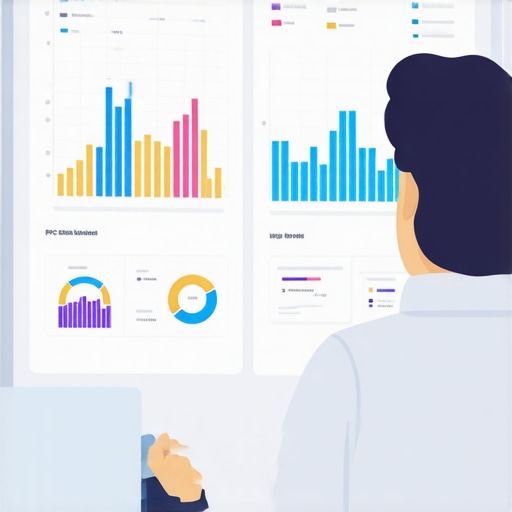 Many marketers believe that mastering surface-level tactics guarantees success, but the real game lies in understanding nuanced pitfalls lurking beneath the surface. One common misconception is that focusing solely on keyword optimization or eye-catching aesthetics suffices. In reality, overlooking the subtle interplay between technical SEO and user experience can significantly undermine your efforts. For example, a site might have perfect content and visuals, yet suffer from crawlability issues or slow load times, hampering search engine rankings. Advanced errors like improper canonical tags or duplicate content often go unnoticed but can cause significant ranking drops, as supported by recent SEO analyses (see this guide). Additionally, many believe that branding is just about logos and slogans; however, without consistency across all touchpoints and a human-driven tone, audiences can perceive your brand as robotic or insincere. This disconnect may lead to higher bounce rates and lower engagement—crucial metrics often misinterpreted. When it comes to PPC, a frequent mistake is neglecting the intricacies of audience segmentation. Targeting broad demographics might seem efficient, but leveraging sophisticated segmentation—like remarketing to high-intent users—can dramatically improve ROI. An often-overlooked nuance is the role of privacy changes—like Google’s phasing out third-party cookies—which require marketers to pivot toward first-party data strategies; failing to do so places campaigns at risk, as detailed in this resource. Understanding these hidden complexities helps you avoid costly traps. For instance, during a recent technical SEO audit, discovering and fixing a flawed sitemap and misconfigured robots.txt unlocked a 25% increase in organic traffic within weeks. Don’t be tempted to treat these as mere technical chores; instead, see them as strategic levers that, when optimized, can propel your entire marketing ecosystem forward. Remember, the devil is in the details. To truly elevate your digital presence, focus on these less obvious, yet impactful, aspects. Have you ever fallen into this trap? Let me know in the comments or visit our contact page for personalized insights.Maintaining your digital marketing ecosystem requires more than just setting up campaigns or designing eye-catching websites; it demands the right tools and consistent effort. Personally, I rely heavily on a combination of advanced analytics platforms, automation tools, and technical SEO software to ensure everything remains optimized over the long term. One of my go-to solutions is SEMrush, which provides comprehensive keyword tracking, site audit capabilities, and competitor analysis. Its ability to identify technical issues—such as crawl errors or duplicate content—allows me to proactively fix problems before they impact rankings. Regularly conducting site audits using tools like SEMrush or Ahrefs is vital to catch issues like slow load times or broken links, which can hinder user experience and SEO performance. These tools offer actionable insights that help prioritize fixes, ensuring your website stays aligned with evolving search engine algorithms. For instance, Google’s Core Web Vitals updates highlight the importance of site speed and stability, making ongoing performance monitoring crucial (see this resource). Automating routine tasks—such as reporting, bid adjustments, or email follow-ups—using platforms like Zapier or HubSpot frees up your time for strategic work. Over time, I’ve found that establishing a routine, such as weekly audits and monthly strategy reviews, keeps campaigns on track and adapts to changing market dynamics. Looking ahead, the trend points toward greater integration of AI-driven analytics and automation to streamline maintenance. Predictive insights will enable marketers to anticipate issues before they affect performance, making proactive management the new standard.
**How do I keep my digital tools performing at their best over time?** Regular updates are essential—not just for software, but also for your processes. Staying current with platform upgrades, API changes, and new features ensures compatibility and access to the latest functionalities. I advise setting calendar reminders to review and update tools quarterly. Additionally, establishing a community or professional network—like industry forums or LinkedIn groups—can provide early insights into platform deprecations or best practices. Sharing tips and troubleshooting collectively enhances your capacity to respond swiftly.
One advanced tip I recommend is leveraging custom dashboards with data visualization tools like Google Data Studio. By integrating data from Google Analytics, Google Ads, and your site audit tools, you get a comprehensive view of your long-term health. This setup allows you to spot trends, spikes, or declines immediately, preventing minor issues from becoming major setbacks. I’ve personally found that visual dashboards enable quicker decision-making and continuous optimization.
Stay ahead of the curve by making routine maintenance part of your daily workflow. Remember, in the fast-paced world of digital marketing, consistency and the right tools are your best allies. Want to learn more about integrating advanced analytics into your workflow? Check out our guide on technical SEO strategies for 2024 to ensure your efforts stay impactful.
Shattering Myths About Audience Targeting
One of the hardest lessons I learned was that broad targeting wastes budget and dilutes your message. Narrowing focus to high-intent audiences may feel risky, but the data proved otherwise—quality traffic converts faster and costs less, transforming my approach entirely. Trusting gut instincts over analytics can be costly, so embrace data-driven decisions for real progress.
Tools I Can’t Live Without to Stay Ahead
From SEMrush to Google Data Studio, these tools became my secret weapons. They offer invaluable insights, automate mundane tasks, and help visualize complex data—saving time and revealing hidden opportunities. Investing in these platforms elevated my strategies because they clarify what truly moves the needle, beyond guesswork.
Your Bold Next Step in Digital Growth
The future belongs to those brave enough to refine, adapt, and push boundaries. Whether it’s scaling your high-intent targeting or optimizing your site for evolving search algorithms, taking decisive action now will set you apart. Remember, mastering these subtle nuances can turn your digital presence into an unstoppable force.