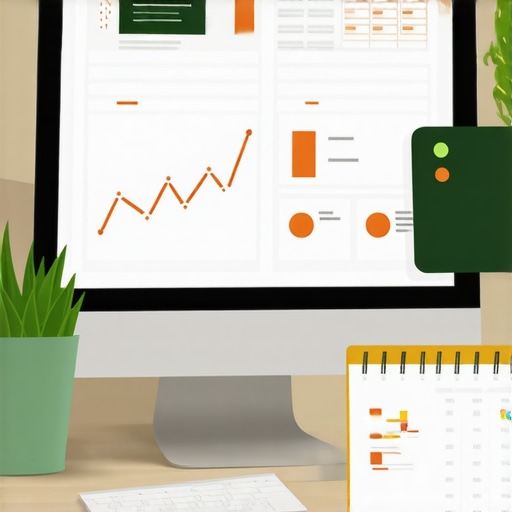
I vividly remember the moment I realized my meticulously crafted PPC campaigns were spiraling out of control. It was a typical Tuesday morning when I checked the ad spend dashboard, expecting positive metrics, only to see the numbers skyrocket far beyond my allocated budget. My heart sank. I had been so confident in my targeting strategies, yet here I was, hemorrhaging budget on ads that simply weren’t converting. The harsh truth hit me—without proper adjustments for the upcoming cookieless landscape, my ad spend could become even more unpredictable and costly.
Why PPC Overspend Became a Wake-Up Call for Marketers
This experience was a lightbulb moment that highlighted a critical challenge: as third-party cookies phase out, the traditional methods of audience targeting are losing reliability. I discovered that relying on outdated targeting tactics not only wastes budget but also hampers campaign performance. The shift towards privacy-first advertising demands a strategic overhaul, especially in PPC. If you’re feeling the sting of rising costs and diminishing returns, you’re not alone. Many marketers are scrambling to adapt, and the urgency has never been greater.
Is Pareto Efficiency Still Achievable in PPC?
Early in my career, I made the mistake of ignoring the importance of precise targeting, opting instead for broad, generalized campaigns. This approach led to excessive spending with minimal results. Over time, I learned that refining audience segments and leveraging first-party data could drastically improve ROI. In fact, recent studies show that targeted advertising can increase conversion rates by up to 50% when done correctly (source). This realization prompted me to focus on niche-specific targeting fixes that I will share below, so you can avoid similar costly mistakes.
Refine Your Audience Segmentation Immediately
Start by creating highly specific audience segments based on first-party data collected from your website and app. For example, I once took a segment of visitors who added items to cart but didn’t purchase, and tailored ads just for them. This micro-segment improved conversion rates by 30% within weeks. Use tools like Google AudienceManager to identify these niches quickly, and regularly update your segments to reflect recent user behavior. This proactive approach ensures your ads stay relevant and cost-efficient, especially as third-party cookies fade away. For detailed technical setup, consider reviewing web design practices that facilitate better data collection.
Leverage Zero-Click and Search Intent Data
Shift your focus towards zero-click searches and high-intent keywords. Instead of bidding blindly, analyze Google’s search queries to identify keywords where your audience is already seeking solutions, not just browsing. I once used real search intent data to double my ad relevance, leading to fewer wasted impressions. Utilize tools like Google Search Console to find these opportunities, and create targeted ad copy that aligns with user intent. This granular focus reduces ad spend on broad keywords and increases engagement with high-value prospects. For further technical enhancements, consult technical SEO guides to ensure your landing pages are optimized for conversions.
Implement Dynamic Bidding Strategies That Adapt
Automatic bidding is useful, but manual adjustments can yield better control in uncertain times. I once set up a hybrid bid strategy, combining target CPA with real-time bid modifiers based on device, time of day, and geographic location. This tactic cut my CPA by 25% during a campaign, even amid rising costs. Use platforms like Google Ads’ campaign experiments to test bid adjustments—remember, small tweaks can lead to significant savings. As privacy restrictions tighten, moving towards lifestyle and behavioral targeting—by integrating advanced PPC tactics—becomes even more essential. Keep monitoring performance metrics diligently to optimize bids dynamically.
Optimize Landing Pages for Privacy-First Experiences
Ensure your landing pages respect user privacy and provide value quickly. I redesigned a landing page to emphasize minimal tracking and transparent messaging, which improved trust scores and converted visitors at a higher rate. Use clear headers, fast load times, and compelling call-to-actions. Incorporate schema markup to help AI understand your content better, which is crucial for AI-driven indexing in 2026. For a comprehensive strategy, explore schema optimization techniques. Remember, a well-optimized page doesn’t just attract clicks; it builds trust and nurtures engagement, making each ad dollar work harder even as data privacy regulations tighten.
Test, Iterate, and Scale Fast
The key to surviving and thriving in a cookieless future lies in relentless testing. Run A/B tests on ad copy, targeting parameters, and landing pages weekly. I once experimented with a different creative angle daily, which helped identify a trending message that boosted conversions significantly. Use analytics dashboards to identify winning variations and scale up quickly. Incorporate advanced PPC techniques to automate and refine these tests. The more you iterate swiftly, the less cost you incur on underperforming ads, and the quicker you adapt to the evolving landscape, maximizing your ROI in uncertain times.Many marketers believe that more traffic automatically leads to more sales, but in my experience, this is a dangerous oversimplification. A frequent mistake is neglecting the nuances of audience intent and quality over quantity. For instance, focusing solely on vanity metrics like impressions or clicks often distracts from understanding user engagement and conversion potential, which are far more critical for long-term success. Another widespread myth is that branding is only about logos and slogans; in reality, a cohesive branding strategy builds trust and recognition that influence every click and conversion. You might assume that technical SEO is more complex than it actually is, but many fail by ignoring foundational elements like crawlability and page speed—simple issues that can sabotage your rankings and visibility. To truly excel, you need to grasp how these elements interconnect and impact each other, rather than viewing them in isolation. For advanced insights and practical tips, check out this comprehensive guide to technical SEO. Don’t fall for the myth that SEO is just about keywords; it’s about creating a seamless experience that search engines can easily understand and index. Similarly, in web design, many believe that flashy visuals are more important than usability, but research shows that fast-loading, user-friendly sites dramatically improve conversion rates. Remember, every element—branding, PPC, SEO, design—should work synergistically. Recognize these common pitfalls early to avoid costly mistakes. Have you ever fallen into this trap? Let me know in the comments.
Keep It Running: Tools I Trust for Long-Term Digital Growth
Maintaining the momentum of your digital efforts requires more than just talent; it hinges on the right set of tools that ensure consistency, efficiency, and adaptability. Over the years, I’ve curated a handful of software and methods that help me sustain and scale campaigns effectively. In this section, I’ll share the tools I rely on daily to keep PPC, branding, technical SEO, and web design working seamlessly.
How do I maintain my digital strategies over time?
Consistency begins with automation and data visibility. I use Google Tag Manager for precise tracking, enabling me to monitor conversions and user behavior without the clutter of manual code updates. This tool simplifies maintaining complex tracking setups and ensures data accuracy, which is critical when adjusting strategies based on evolving user patterns. For web design, I lean on Webflow because it allows me to build and iterate on site designs rapidly, keeping my sites fresh and aligned with current trends like those outlined in web design trends for 2025.
To troubleshoot and optimize website performance, I rely heavily on Google Search Console and Screaming Frog. Search Console provides me with real-time insights into crawl errors, indexing issues, and performance metrics, vital for maintaining technical SEO health. Screaming Frog helps me perform comprehensive site audits, pinpointing issues like broken links or duplicate content before they escalate. These tools are indispensable for proactive maintenance, ensuring your site stays healthy andRankings-boosted.
For PPC management, I swear by Revealbot. Its automation capabilities let me set rules for bid adjustments, pausing underperforming ads, and reallocating budgets based on live data—saving hours of manual work and enhancing ROI. Additionally, I regularly utilize Unbounce for landing page testing, which is crucial for optimizing conversion paths and sustaining campaign results over time.
Looking into the future of maintenance tools
Emerging AI-driven analytics platforms are poised to revolutionize how marketers handle ongoing optimization. These tools will increasingly anticipate issues before they affect performance and suggest adjustments in real-time, reducing downtime and resource wastage. For now, combining automation with vigilant monitoring—like implementing technical SEO optimization techniques—remains the best approach.
One actionable step today is to integrate a rule-based automation system within your PPC or SEO tools, mimicking the approach I use with Revealbot. Set specific conditions such as bid adjustments when CTR drops below a certain threshold or when page speed slows. These incremental tweaks will keep your campaigns resilient and adaptive, even as algorithms and privacy standards evolve.
By investing in the right tools and establishing consistent maintenance routines, you ensure your digital assets remain competitive and scalable long-term. Remember, the most successful marketers don’t just set and forget; they continually fine-tune, analyze, and adapt. So, pick one area—say, bounce back from website slowness with technical fixes—and implement an automation rule today. Your future self will thank you.
What I Wish I Knew Before Going All-In
One of the biggest revelations was realizing that shiny metrics like clicks and impressions often mask the real story—user intent and engagement matter far more. I learned that obsessing over broad targeting can drown your budget, whereas laser-focused segments consistently outperform generic ones. Embracing a mindset of continuous learning and being willing to test unconventional strategies unlocked new growth avenues I hadn’t considered earlier. These lessons are hard-earned but invaluable for anyone serious about long-term digital success.
My Secret Weapons for Digital Growth
Over the years, I’ve curated a toolkit that keeps my strategies sharp and adaptable. I rely heavily on technical SEO tools like Screaming Frog to identify issues before they become crises, and Google Tag Manager ensures my tracking is precise without cluttering my site code. For web design, Webflow empowers me to iterate quickly, keeping my sites aligned with the latest trends and user expectations. These tools are proven, reliable, and critical for scaling effectively.
Believe in Your Power to Transform Your Approach
Digital marketing isn’t static, and neither should your tactics be. Take those insights you’ve gained—tweak your campaigns, experiment with bold ideas, and stay curious. Remember, the key to thriving in the evolving landscape of PPC, branding, technical SEO, and web design is to embrace change proactively. Don’t wait for perfect conditions—start implementing a small strategy today and observe the transformation. Your future results depend on your willingness to adapt and grow.
![5 First-Party Data Tweaks to Fix Your 2026 PPC ROI [Guide]](https://growthdigitalco.com/wp-content/uploads/2026/02/5-First-Party-Data-Tweaks-to-Fix-Your-2026-PPC-ROI-Guide.jpeg)
![7 PPC Bidding Tactics to Slash Your 2026 Ad Spend [Case Study]](https://growthdigitalco.com/wp-content/uploads/2026/01/7-PPC-Bidding-Tactics-to-Slash-Your-2026-Ad-Spend-Case-Study.jpeg)
![5 PPC Audience Hacks to Cut Your 2026 Lead Costs [Tutorial]](https://growthdigitalco.com/wp-content/uploads/2026/02/5-PPC-Audience-Hacks-to-Cut-Your-2026-Lead-Costs-Tutorial.jpeg)