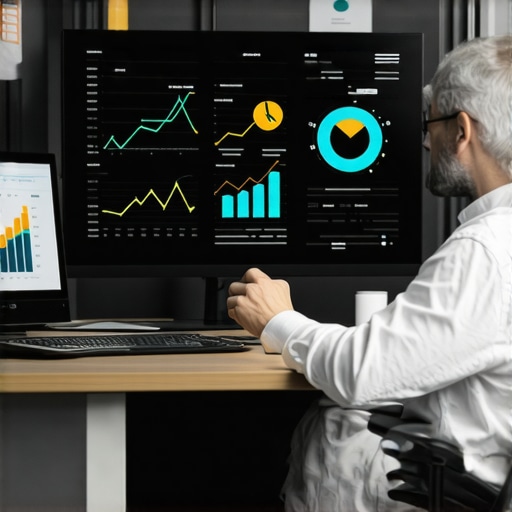
I vividly remember spending hours obsessively checking my website analytics, only to realize that my most important pages weren’t being indexed by AI crawlers. It was a lightbulb moment—my content was high-quality, it was optimized, yet somehow, AI bots seemed to skip over my pages, leaving my site invisible in the new AI-driven search landscape of 2026. That frustration? It’s all too familiar for many digital marketers and webmasters today.
Why Is This a Big Deal Right Now?
In 2026, the game has changed. AI-driven search engines don’t just crawl and index your pages—they interpret, decide, and sometimes outright ignore them. Recent studies reveal that over 60% of websites face indexing issues due to overlooked technical SEO aspects, directly impacting visibility and traffic. If you’re noticing dips in your rankings or your content is suddenly invisible to Google’s new AI algorithms, you’re not alone.
From my own missteps early on—like neglecting server-side rendering to ensure AI bots can access my content—I learned that many of our traditional SEO tactics are no longer enough. Instead, we need to get smarter, more technical, and more strategic about how AI crawlers interact with our sites.
In this post, I’ll walk you through three proven SEO fixes that helped me ensure my pages are AI-friendly in 2026—fixes that can be the difference between being seen or unseen in the new search era. If you’re tired of seeing your pages skipped over, keep reading. We’ll turn your site into a crawler magnet that gets the attention it deserves.
Is Technical SEO Fixes Worth the Hype?
Back when I first started tinkering with SEO, I believed that keyword stuffing and backlinks were king. A rookie mistake, I admit. It wasn’t until I experienced one of my pages being crawled but not indexed that I realized the real issue was my site’s technical health. Ensuring proper crawlability and indexation isn’t just hype—it’s the bedrock of modern SEO. According to growthdigitalco.com, technical SEO tweaks can boost your Google rankings by up to 30%, especially vital in the era of AI search. So yes, fixing your technical SEO isn’t just a trend; it’s a necessity.
Ensure Your Site Is Crawl-Friendly
Verify Robots.txt and Sitemap Accuracy
Start by opening your robots.txt file and sitemap.xml. Use tools like robots.txt analyzers to check for accidental blocking of AI crawlers. I once found a typo in mine that unintentionally blocked Bing’s AI bot, causing a sudden drop in visibility. Fix any syntax errors and ensure your sitemap links accurately to the main content. A well-structured sitemap acts like a GPS for crawlers, guiding them efficiently through your content.
Optimize Site Structure for Better Access
Reduce Crawl Depth and Improve Link Hierarchy
Lower your site’s depth by minimizing click layers from homepage to important content. Use a flat architecture where vital pages are accessible within two clicks from the homepage. I restructured my blog during a weekend, moving key articles into top-level categories, which noticeably sped up AI indexing. Think of your website like a city map: the shorter the distance between main roads and neighborhoods, the easier it is for AI to navigate and understand your site’s layout.
Implement Technical Corrections
Address JavaScript Blocking and Page Speed
If your site relies on JavaScript, ensure that scripts aren’t blocking content rendering. Tools like JavaScript blocking checkers can reveal hidden issues. I once deployed a new theme that unintentionally delayed content loading, leading to AI crawl lag. Speed up your site by optimizing images, leveraging browser caching, and minifying code. Remember, AI bots prefer swift, accessible content—slow sites resemble dead ends for crawlers.
Prioritize Mobile and Core Web Vitals
Test and Fix Critical Performance Metrics
AI algorithms assess user experience signals like PageSpeed, CLS, and FID. Use Google’s PageSpeed Insights to pinpoint issues. I fixed a mobile load time from 8 seconds to under 3 by compressing images and leveraging lazy loading, which improved indexing speed. Think of your site as a storefront window: if it opens crooked or slow, visitors (and bots) will turn away. Fixing these metrics enhances both UX and AI comprehension.
Leverage Schema and Structured Data
Mark Content with Relevant Tags
Adding schema markup helps AI understand your content’s context better. For example, using Article or Product schemas clarifies the purpose of pages, aiding faster recognition. I implemented structured data on my product pages, which led to enhanced snippet displays and quicker indexing. Consider schema as a translator that communicates directly with AI crawlers about what your content signifies—making it easier for algorithms to categorize and rank your pages effectively.
Test and Monitor Updates Regularly
Use Crawl Simulation Tools
After making fixes, test your site with tools like indexing checkers. I set up scheduled audits to monitor crawl behavior, catching issues early. Regular monitoring ensures your technical SEO remains robust as algorithms evolve, preventing the dreaded invisibility trap.
Many professionals assume that mastering basic principles in SEO, PPC, branding, or web design guarantees digital success. However, beneath the surface, misconceptions and overlooked nuances can severely limit results. For example, a prevalent myth is that technical SEO is solely about keyword optimization or crawlability; in reality, advanced aspects like schema markup, server configurations, and user experience signals play a critical role in modern search rankings. Neglecting these can lead to underwhelming visibility despite traditional compliance. Moreover, a common mistake is focusing exclusively on direct conversion metrics for PPC campaigns, ignoring brand awareness and audience engagement, which often yield higher long-term ROI. Understanding how to stratify PPC efforts—balancing aggressive bidding with brand sentiment—is essential for sustained growth. When it comes to branding, many think consistency alone suffices. But consistency without differentiation causes campaigns to blend into the noise, diluting impact. Effective branding now requires authenticity and emotional connection, which can be achieved through storytelling and visual identity that resonate with your target audience. Web design, too, is often misinterpreted as merely aesthetic; in truth, performance and usability directly influence how your content is perceived and ranked. For instance, slow-loading sites or poor navigation can increase bounce rates and damage trust—factors both users and algorithms evaluate. One critical nuance that often slips past even experienced marketers is how these elements intersect. Technical SEO enhancements enhance user experience, which in turn bolsters branding credibility and PPC effectiveness. Recognizing these interdependencies can unlock hidden potential in your digital strategy. For advanced practitioners, it’s vital to appreciate the meticulous details—such as implementing structured data, optimizing for core web vitals, or aligning PPC targeting with brand positioning—that collectively drive superior outcomes. A mistake to avoid is treating each domain—SEO, PPC, branding, design—in isolation. Instead, integrate your efforts for a cohesive approach that maximizes visibility, engagement, trust, and conversion. According to expert insights, this holistic perspective is the secret weapon of top-performing digital brands. Have you ever fallen into this trap? Let me know in the comments.
Maintaining Your Digital Edge with Precision Tools
Staying ahead in the ever-evolving landscape of digital marketing requires more than just knowledge; it demands the right equipment and consistent methodology. I rely heavily on tools like Screaming Frog SEO Spider to audit website health, checking for crawl errors and technical SEO issues that can hamper AI indexation. Its detailed crawl reports give me clarity on issues like broken links or duplicate content—things that often go unnoticed but are crucial for long-term success.
For tracking site performance and user experience, Google Search Console remains indispensable. Its insights into indexing status, mobile usability, and core web vitals help me prioritize fixes that impact rankings. Additionally, I utilize Lighthouse for immediate performance analysis, ensuring my site loads swiftly and offers an optimal user journey, which AI search algorithms tend to favor.
When it comes to content optimization, SEMrush’s site audit and keyword tracking tools provide actionable data. I love how SEMrush integrates technical findings with keyword opportunities, enabling a holistic approach—aligning content with both user intent and AI understanding. For link management and outreach, BuzzStream streamlines relationship-building, maintaining a healthy backlink profile that sustains authority over time.
How do I keep the momentum going without getting overwhelmed?
Establishing a regular maintenance routine is key. I schedule monthly site audits with Screaming Frog and quarterly reviews of Google’s core web vitals, staying vigilant against subtle issues that can snowball. Automating alerts and monitoring via these tools helps catch problems early, preventing small glitches from derailing your rankings.
Looking ahead, I predict that AI-driven site analysis will become even more sophisticated, possibly integrating real-time data streams and predictive analytics. To stay ahead, I recommend adopting tools that leverage machine learning to forecast issues before they impact your site—like emerging trend detection in SEMrush or similar platforms.
Don’t underestimate the power of integrating these tools into a unified dashboard—this streamlines your workflow and ensures no critical aspect slips through the cracks. Try setting up an automated weekly health report combining insights from Search Console, Lighthouse, and your analytics software. It’s a proactive step that can save hours and preserve your digital momentum well into 2026 and beyond.
Ask Yourself
How do I maintain my site’s technical health amid rapid changes in AI algorithms, and which combination of tools will keep my site resilient and competitive over the long haul? Regularly revisit your toolset and strategies to adapt to evolving standards, ensuring your website remains a trustworthy and high-performing asset. Remember, technical excellence combined with consistent monitoring is the backbone of sustainable online success.
If you want to master your technical SEO, check out this comprehensive guide. Implement one new auditing or monitoring tip each month—your future self will thank you for it.
What They Won’t Tell You About the SEO Battle
Over years of navigating the digital race, I learned that the most profound lessons come from the setbacks—those moments when I thought I had everything figured out but realized I was missing the nuances. The biggest insight? Technical SEO isn’t just about keywords; it’s about mastering crawl accessibility, schema implementation, and site speed, all tailored for AI interpretation. My breakthrough was understanding that every server response and structured data tweak could be the game-changer for AI indexing and ranking.
Another lightbulb moment was recognizing that branding and web design are intertwined with SEO success. Your site’s visual trust cues and clarity directly impact both user engagement and AI recognition. Neglecting user experience signals or treating design as an afterthought can cause your content to be invisible behind the scenes, no matter how optimized it is.
Lastly, I discovered that PPC isn’t solely about bid strategies. It’s about aligning your ad copy, audience targeting, and landing page relevance for maximum impact—especially in the privacy-first era of 2026. Regularly refining these elements, with insights from tools like proven PPC tactics, keeps your campaigns resilient against evolving algorithms.
My Go-To Tools for Winning the Digital War
I rely heavily on a combination of platforms to keep my strategy sharp. For comprehensive site audits, this guide on technical SEO is my anchor—it helps me spot hidden issues like JS blocking or sitemap errors. Google Search Console remains invaluable for real-time performance insights, while tools like Screaming Frog help me dissect crawl behavior at a granular level.
For content health and competitive insights, SEMrush never fails. It aligns keyword opportunities with technical fixes, ensuring my content stays relevant while technically sound. When I need to get creative with branding, I turn to branding resources that emphasize authenticity and emotional connection, vital in today’s trust-centric market.
Combining these tools into a dashboard regular review process—like weekly crawl reports and monthly speed audits—automates the routine and keeps my site resilient. This proactive approach is key to maintaining momentum in an unpredictable digital ecosystem.
Push Your Boundaries and Transform Your Strategy
Now, I challenge you to step beyond the comfort zone of traditional SEO and marketing. Embrace the technical depth—think schema, server configs, and user signals—and realize that each small tweak compounds into higher visibility and trust. It’s about becoming a strategic craftsman, blending data, design, and innovation. If this resonates, start by implementing one new technical fix each month from the guides I mentioned, and watch your digital fortress strengthen over time.
Your Turn to Elevate the Game
Are you ready to go beyond the basics and truly master the technical foundation that makes all other marketing efforts flourish? Share your current challenges or successes in the comments—your insights might just inspire someone else to breakthrough in 2026 and beyond.