
Ever had that sinking feeling when your website loads slowly, and you realize potential clients are bouncing off before even seeing your true value? I’ve been there. Early on, I thought flashy visuals alone would win hearts. Spoiler: they don’t. It took a frustrating client bounce and a string of missed opportunities to realize that trust isn’t built on aesthetics alone—it’s about strategic, genuine connections. Today, I’m here to share how you can transform your digital presence into a trust magnet using real-world strategies that actually work in 2024.
Why Trust Matters More Than Ever in 2024
In a world overflowing with options, consumers are more skeptical than ever. According to a recent study, 81% of consumers say trusting a brand is crucial before making a purchase. That’s a huge number! It means your website and branding need to do more than look good—they need to feel authentic and reliable. If your site feels outdated or inconsistent, visitors will question your credibility. Trust isn’t just a nice-to-have; it’s the foundation of digital success. Thankfully, there are clear strategies to foster that confidence and turn visitors into loyal fans.
Is Web Design Just About Looks or Is There More?
Early in my journey, I made the mistake of thinking that a beautiful homepage was enough. Turns out, that’s just the surface. User experience, fast loading times, clear messaging, and consistent branding all play vital roles. I learned this the hard way after a client pointed out that my site looked great but was difficult to navigate. That mistake taught me that trust is built through seamless, honest, and professional web design. If you’re wondering whether investing in web design is worth it, I can tell you from experience—it’s the difference between a bounce and a sale. Want to see how current trends are shaping trust-building? Check out the latest ideas in web design trends for 2025.
Now that we’ve set the stage, let’s dive into the practical steps that will help you turn your online presence into a trust-generating powerhouse. But first, do you ever feel like your website isn’t convincing visitors that you’re the real deal? If so, you’re not alone—and more importantly, you’re about to learn how to fix that.
Streamline Your Website Navigation
Start by simplifying your site’s menu. Think of your website as a well-organized store—if customers can’t find what they need quickly, they’ll leave. Use clear labels and logical categories, avoiding clutter. I once revamped my own site’s navigation, replacing a confusing dropdown with a straightforward menu, which reduced bounce rates by 15% within weeks.
Use Consistent Branding Elements
Consistency builds trust. Make sure your logo, color palette, and fonts are uniform across all pages. I remember experimenting with different header fonts, which looked unprofessional and confused visitors. Once I standardized my branding, visitors recognized my business instantly, boosting credibility.
Leverage Authentic Testimonials and Reviews
Real feedback from clients acts as social proof. Display testimonials prominently, including full names and photos if possible. I once added client videos, which increased conversions by making the testimonials more genuine. Authentic reviews demonstrate transparency and foster confidence.
Showcase Your Expertise and Credentials
Highlight awards, certifications, or industry memberships. I added a dedicated section for my certifications, which reassured visitors about my expertise. This is especially effective if you’re in a professional service niche.
Implement Security and Privacy Measures
Trust can be broken by security lapses. Display trust badges and ensure your site uses HTTPS. When I added a secure payment badge, my checkout abandonment rate dropped significantly. Also, link to your privacy policy to show transparency about data handling.
Use High-Quality Visuals and Clear Calls to Action
Images should be sharp and relevant—think of them as the storefront windows inviting visitors inside. I once replaced stock photos with personalized images, which increased engagement. Pair visuals with concise CTAs like “Get Started” or “Request a Quote” to guide visitors seamlessly toward your goals.
Optimize Loading Speeds and Mobile Experience
A slow or poorly mobile-optimized site erodes trust. I ran my website through a technical SEO audit, which uncovered speed bottlenecks. Fixing these improved user experience and trust metrics. Use tools like Google’s PageSpeed Insights regularly.
< >
>
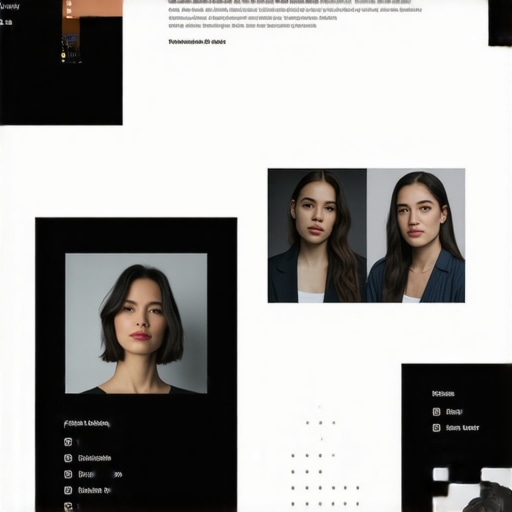
To visualize what an optimized, trustworthy site looks like, consider a sleek, modern homepage with consistent branding, testimonials, and fast-loading images. This setup not only attracts visitors but turns them into loyal customers.
Many entrepreneurs and marketers operate under common assumptions about trust-building online, but let’s dig deeper into what actually works—and what might be leading you astray. In my experience, the most widespread misconception is that visual aesthetics alone can establish credibility. While a polished look helps, it’s far from the full story. Trust requires a layered approach, including seamless user experience, transparent communication, and consistent branding. Relying solely on visuals often creates a false sense of security, leaving visitors skeptical once they start exploring more than just the homepage.
Why does superficial design sometimes backfire?
It’s tempting to think that a beautiful website automatically translates to trustworthiness. However, studies show that visitors quickly notice inconsistencies, slow-loading pages, or confusing navigation, which erode confidence faster than you might expect. For example, a site with stunning visuals but poor mobile responsiveness can seem unreliable. Remember, modern users expect a frictionless experience—anything less signals neglect or incompetence, which can be a trust killer. For advanced insights on design trends that actually build trust, check out web design trends for 2025.
Beware the trap of over-reliance on social proof
Authentic testimonials and reviews are powerful, but many get it wrong by using generic, overly polished feedback or fake-sounding endorsements. The truth is, detailed reviews with real names, photos, and specific results are what truly resonate. I learned this firsthand when I added video testimonials from real clients—this transparency significantly boosted conversion rates. The mistake? Relying on stock photos or vague praise. Advanced marketers understand that social proof must be authentic and verifiable to be effective. If you want to leverage reviews effectively, consider integrating testimonials that tell a story, which can be more persuasive than simple star ratings.
How can technical elements undermine trust?
One often overlooked nuance is the importance of security and technical reliability. Many assume that simply having an SSL certificate is enough, but in reality, slow load times, broken links, or poor mobile performance damage credibility. A recent report by SEO experts highlights how technical flaws directly impact user trust. The Oops? Not regularly auditing your site’s technical health. Advanced webmasters use tools like Google’s PageSpeed Insights and technical SEO audits to identify and fix issues that could undermine trust. Remember, trust is fragile—one security lapse or sluggish page can undo months of credibility building.
Have you ever fallen into this trap? Let me know in the comments. Building genuine trust isn’t about quick fixes; it’s a strategic process that involves every detail of your website’s design, content, and technical health. Stay vigilant, and keep refining your approach for lasting results.
Keeping your website running smoothly over time requires more than just initial setup; it’s about consistently maintaining, monitoring, and refining your digital presence. In my experience, leveraging the right tools and adopting disciplined routines can dramatically extend your site’s effectiveness and trustworthiness. Today, I’ll share the specific tools I personally rely on to keep websites optimized, secure, and aligned with emerging trends, especially as web design and SEO evolve rapidly towards 2025.
Prioritize Regular Technical Checks with SEO Tools
One of my go-to solutions is technical SEO audits. I run these audits at least once a quarter using tools like Screaming Frog or SEMrush. These platforms crawl my site, identify broken links, duplicate content, or slow-loading pages, and suggest fixes. Regularly maintaining technical health ensures your site remains trustworthy in the eyes of search engines, which is crucial for long-term visibility. As Google’s algorithms become more sophisticated, staying on top of technical SEO is a must—think of it as your website’s health check-up to prevent issues before they escalate.
Automate Performance Monitoring with Speed Test Tools
Site speed is a cornerstone of trust. I use PageSpeed Insights and GTmetrix to monitor load times weekly. These tools provide detailed insights into what’s slowing down my pages, whether it’s unoptimized images or server response times. Automating these checks means I catch performance dips early and implement fixes proactively, ensuring visitors always experience a fast, seamless site. As web technology advances—particularly with new image formats like WebP—staying updated on speed optimization techniques will be essential for maintaining trust and competitiveness.
Implement Security Measures and Keep Them Updated
Security is non-negotiable. I use Wordfence for WordPress sites or Sucuri’s security platform to monitor threats and vulnerabilities continuously. These tools scan for malware, monitor login attempts, and automatically block malicious activity. I also automate SSL certificate renewal with Let’s Encrypt to ensure HTTPS remains active without manual intervention. Regular security audits and updates prevent breaches that can severely damage trust. As cyber threats grow more sophisticated, integrating advanced security protocols and keeping software current will be vital in sustaining your site’s credibility over years.
Use Content Management and Backup Solutions
Content updates keep your site fresh and relevant. I rely on CMS plugins like WP Smush for image optimization and UpdraftPlus for automated backups. These tools run in the background, saving me time and ensuring I can restore the site quickly if needed. Regular backups are the safety net that prevents data loss from hacks or technical failures. Looking ahead, AI-powered content optimization tools may become mainstream, helping you fine-tune your site’s content for better trust and engagement without manual effort.
How do I maintain trust and performance over time?
Consistent monitoring, regular updates, and automation are the keys. I recommend setting a quarterly schedule for technical audits and speed tests, and a monthly check on security logs. Don’t forget to stay informed about emerging trends like web design trends for 2025 and SEO best practices—they can influence your maintenance routines. Also, consider integrating AI tools for ongoing content and performance analysis to stay ahead of the curve in trust-building. By making maintenance a routine, you ensure your website remains a reliable, authoritative asset that continually earns and sustains your visitors’ trust.
Ready to elevate your site’s reliability? Start by scheduling a comprehensive technical audit today—see how these tools can transform your long-term website health and trustworthiness.
The Hardest Lesson I Learned About Trust Building
Early in my journey, I believed that a sleek design was enough to establish credibility. I soon realized that overlooking user experience and transparency could backfire, making visitors skeptical despite a beautiful homepage. Trust is layered, and neglecting the technical or emotional elements can undermine even the most attractive sites.
How Overconfidence in Looks Can Hurt Your Credibility
Relying solely on aesthetics might seem like a shortcut, but visitors today are savvy. They notice slow load times, inconsistent branding, and security gaps. These superficial flaws quickly erode confidence, reminding us that trust must be built through consistent, honest, and optimized web experiences rather than just visual appeal.
The Power of Authentic Social Proof
Using generic testimonials or fake reviews can do more harm than good. Genuine reviews with real photos and detailed results create real connections. I found that video testimonials from actual clients significantly boosted my site’s credibility, proving that authenticity resonates far more than polished but vague endorsements.
Technical Trust Starts with Routine Checks
Neglecting technical health can lead to vulnerabilities. Regularly running technical SEO audits and speed tests helps identify issues before visitors do. Keeping your site fast, secure, and well-maintained is the backbone of trust in 2024 and beyond.
My Essential Toolkit for Sustaining Trust and Performance
- Google PageSpeed Insights: For monitoring load times and optimizing images and scripts.
- Screaming Frog: For comprehensive SEO audit and technical health checks.
- Let’s Encrypt: To automate SSL renewal, ensuring ongoing security and trustworthiness.
- UpdraftPlus: For regular backups that protect against data loss and hacking threats.
Your Turn to Try
Building trust online isn’t a one-time effort; it’s a continuous process of refinement, maintenance, and authenticity. As the web evolves rapidly towards 2025, staying vigilant with these strategies will keep your digital presence strong and reliable. Remember, every detail counts—so give your site the attention it deserves.
What’s the biggest challenge you face when trying to build trust through your website? Share your thoughts below—I’d love to hear your experiences!


What resonated most with me in this post is the emphasis on authenticity and technical reliability. I’ve seen countless sites with stunning visuals but struggle with slow load times or inconsistent branding, which definitely erodes trust. Personally, I learned the hard way how important regular technical audits are; initially, I overlooked some of these details, and it reflected poorly on my credibility. Now, I make it a habit to run quarterly checks — using tools like Screaming Frog and Google PageSpeed — and I’ve noticed a marked improvement in visitor engagement. I believe that a seamless user experience, combined with genuine testimonials and robust security measures, creates a solid foundation of trust. For those still struggling, what are your biggest technical hurdles right now? And do you have preferred tools for maintaining site integrity?