My Journey into the World of Technical SEO and PPC in 2024
When I first started exploring digital marketing, I was overwhelmed by the sheer complexity of strategies needed to succeed. As I delved deeper, I realized that mastering technical SEO and PPC was essential to stay ahead in the fiercely competitive online landscape. In 2024, I’ve found that combining innovative web design trends with robust SEO and PPC tactics can truly transform results. Let me share some personal insights and practical tips that have helped me and might do the same for you.
Unveiling the Power of Technical SEO for Modern Websites
One of the most eye-opening lessons I learned was how comprehensive technical SEO can boost your site’s visibility. From crawlability to site speed, each element plays a vital role. I remember revamping my website’s structure, which significantly improved indexing and user experience. Optimizing site speed and ensuring mobile-friendliness became my priorities, aligning perfectly with Google’s evolving algorithms.
What Are the Latest PPC Strategies That Actually Work?
When it comes to PPC, I realized that data-driven campaigns outperform guesswork. I started experimenting with advanced PPC tactics like ad extensions, audience targeting, and A/B testing. The key is to continuously optimize based on real-time analytics, which has led to noticeable increases in conversions and ROI. PPC is no longer just about keywords; it’s about crafting personalized user journeys that resonate.
How Do Web Design Trends Influence SEO & PPC Success?
In my experience, modern web design trends directly impact SEO and PPC performance. Clean, fast-loading, and visually appealing sites tend to rank higher and convert better. Incorporating innovative styles like minimalism and interactive elements not only enhances user engagement but also aligns with Google’s emphasis on user experience. Trust me, a well-designed site can be a game-changer.
My Favorite Strategies for 2024
One tactic I swear by is integrating technical SEO with PPC campaigns. This synergy helps in targeting high-intent audiences effectively. Additionally, leveraging emerging web design innovations and branding strategies has elevated my online presence. I also stay updated by reading authoritative sources like Moz’s beginner guide to SEO, which offers invaluable insights.
Why Is It Critical to Stay Updated with SEO & PPC Trends?
The digital landscape is constantly evolving, and staying current is vital. What worked last year might not be effective today. I’ve learned that continuous learning and adaptation are key. Sharing insights and experiences with fellow marketers helps me stay ahead. Do you have a favorite resource or strategy that’s worked wonders for you? I’d love to hear your story—drop a comment below!
How Can Technical SEO and Web Design Synergize to Build Digital Authority?
In the ever-evolving landscape of digital marketing, integrating technical SEO with cutting-edge web design is crucial for establishing authority and trust. A technically sound website that loads swiftly, is mobile-friendly, and has a clear structure not only ranks higher but also reduces bounce rates, fostering user trust. When design elements prioritize user experience—through intuitive navigation, accessibility, and compelling visuals—they reinforce the credibility established by sound SEO practices. To deepen your understanding, exploring web design trends for 2025 can reveal innovative ideas to modernize your site while maintaining technical excellence, as discussed here.
What Are the Most Effective Methods to Align PPC Campaigns with SEO Goals?
Aligning PPC and SEO strategies creates a cohesive digital presence that maximizes visibility. One effective approach involves leveraging technical SEO insights to identify high-value keywords for both paid and organic campaigns. By analyzing keyword performance and user intent, marketers can craft targeted ad copy and SEO content that resonate with high-converting audiences. Additionally, integrating analytics from PPC and branding efforts ensures messaging consistency and enhances trustworthiness. This synergy not only improves click-through rates but also boosts overall ROI, reinforcing your site’s authority.
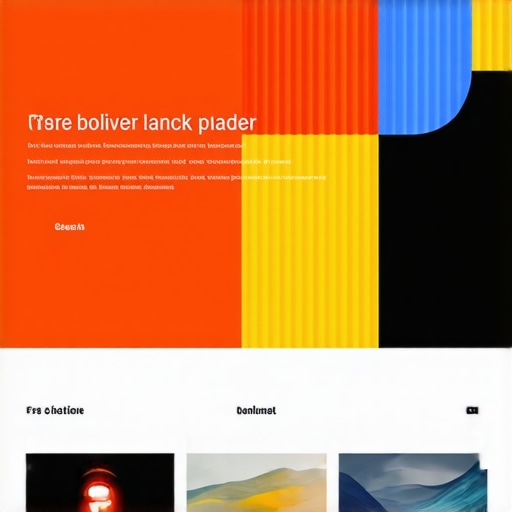
Visualize a modern website layout that combines sleek design with technical robustness—fast loading, mobile-optimized, and user-centric. This image should depict a professional web interface illustrating seamless navigation and engaging visuals, emphasizing the importance of aligning design with technical SEO principles.
How Do Trust Signals and User Experience Impact Your SEO and PPC Performance?
Trust signals—such as clear contact information, customer reviews, security badges, and professional design—play a pivotal role in converting visitors into customers. Google’s algorithms increasingly prioritize user experience metrics, meaning that a website’s trustworthiness directly influences rankings. For PPC, trust signals improve ad performance by reducing skepticism and encouraging clicks. Implementing effective branding strategies, as detailed here, can enhance perceived credibility. Furthermore, optimizing site speed and ensuring consistent branding across channels solidify your reputation, leading to higher conversion rates and better search engine rankings.
Are You Harnessing the Full Potential of Your Website’s Technical Foundation?
Often, digital marketers focus heavily on content and keywords but overlook the foundational role of technical SEO. Ensuring your website is properly structured, free of crawl errors, and optimized for speed is essential for both search engines and users. Regular audits can uncover hidden issues that hinder performance and trust. The investment in technical excellence pays dividends through improved visibility, enhanced user experience, and increased conversions. For comprehensive guidance, exploring top SEO tips can provide actionable insights to modernize your site effectively.
Deepening the Synergy: Technical SEO and Web Design as Pillars of Digital Authority
As I dove further into the nuances of digital marketing, I discovered that the true power lies in the seamless integration of technical SEO and innovative web design. It’s not just about making a website fast or visually appealing; it’s about creating a cohesive experience where each element reinforces the other, fostering trust and authority. I found that optimizing for core web vitals, such as Largest Contentful Paint (LCP) and First Input Delay (FID), directly correlates with higher rankings and better user engagement. When I revamped my site with a focus on these metrics, the results were striking—improved visibility and increased conversion rates. This process taught me that technical excellence and aesthetic appeal must work hand-in-hand to truly elevate a brand’s online presence.
What Are the Hidden Layers of Web Design That Influence Trust and Conversion?
Beyond the obvious trends like minimalism and vibrant visuals, I’ve come to appreciate the subtle, often overlooked elements that impact user perception. For example, micro-interactions—small animations or responses to user actions—can significantly boost engagement if implemented thoughtfully. Accessibility features, such as proper contrast ratios and keyboard navigation, aren’t just compliance; they demonstrate a commitment to inclusivity, which builds trust with a broader audience. Incorporating future-focused design trends like augmented reality or AI-driven personalization can also differentiate your site in a crowded space. I’ve experimented with these elements, and the payoff has been a more loyal, engaged user base. The challenge lies in balancing innovation with usability—striking that perfect harmony where design delights without overwhelming.
How Can Advanced Technical SEO Strategies Transform Your Google Rankings?
One aspect I’ve delved into deeply is leveraging advanced technical SEO techniques like structured data markup, canonicalization, and server-side rendering. These tactics not only improve indexing but also enhance the appearance of your listings in search results—think rich snippets and FAQ schemas that increase click-through rates. Additionally, regularly conducting in-depth audits using tools such as Google Search Console and third-party crawlers helps uncover hidden issues that could be hampering your site’s performance. I’ve learned that a proactive approach—constantly refining and adapting—is essential because Google’s algorithms are increasingly sophisticated, rewarding sites that demonstrate technical mastery and user-centric design. This continuous improvement cycle has been my secret weapon for staying ahead of competitors and maintaining top rankings.
Is Your Website Built with Future-Proof Strategies in Mind?
Thinking ahead has become second nature to me, especially when considering future-proofing web design and SEO. Embracing emerging technologies such as Progressive Web Apps (PWAs), voice search optimization, and AI-driven content personalization ensures your site remains relevant and competitive. It’s about anticipating user behavior and technological shifts rather than reacting after the fact. For instance, optimizing for voice search requires a different approach—long-tail keywords and natural language queries—yet it’s often overlooked. By staying informed through authoritative sources and experimenting with these innovations, I’ve managed to keep my digital assets resilient and adaptable. I invite you to reflect on your current strategies: Are they prepared for the rapid technological evolution? Sharing insights or experiences can lead to new ideas—so don’t hesitate to comment below or reach out to discuss further.
How Do You Harmonize SEO and PPC to Maximize Results?
One of the most rewarding aspects of my journey has been discovering how to align SEO and PPC efforts for synergistic impact. By analyzing keyword overlap and intent, I’ve been able to craft unified messaging that amplifies visibility and trust. For example, using modern branding strategies across both paid and organic channels creates a consistent experience that resonates with users, increasing conversion likelihood. Moreover, integrating data from both channels allows for smarter bidding and content adjustments—maximizing ROI. This holistic approach requires ongoing analysis and refinement, but the payoff—higher rankings, better engagement, and increased revenue—is well worth it. I encourage you to consider how your campaigns can work together more effectively, and I’d love to hear your success stories or challenges in this area—share your thoughts in the comments!
< >
>
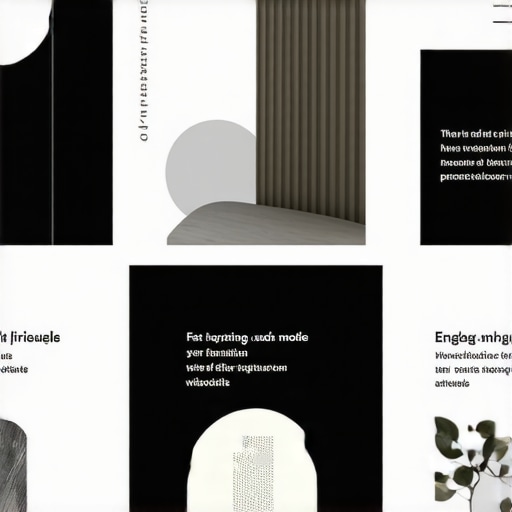
Imagine a website that combines speed, accessibility, and cutting-edge design—an immersive experience that builds trust instantly. This image depicts a sleek, dynamic interface with intuitive navigation and engaging visuals, exemplifying the harmony between technical SEO and web aesthetics.
Are You Ready to Push Your Digital Boundaries?
As I continue exploring the depths of digital marketing, I realize the importance of pushing beyond conventional boundaries. The landscape is ever-changing, and only those willing to innovate and adapt will thrive. Whether it’s adopting new technologies, refining technical SEO, or reimagining web design, staying curious and proactive is key. I invite you to reflect on your own digital strategies: What’s next for you? Are there areas where you feel stuck or eager to grow? Sharing your journey can be inspiring, and I’m here to learn from your experiences as well. Let’s keep pushing the limits of what’s possible in this exciting digital era—together.
Harnessing the Synergy Between Technical SEO and Cutting-Edge Web Design for Future-Proof Digital Authority
As I continue to navigate the intricate landscape of digital marketing, I’ve come to appreciate that the true power lies in the nuanced integration of technical SEO and innovative web design strategies. This fusion is not merely about optimizing for search engines or creating visually appealing interfaces; it’s about crafting a cohesive digital ecosystem where each element reinforces trust, authority, and user engagement.
One advanced technique I’ve employed involves leveraging structured data markup to enhance search result appearances, thereby increasing click-through rates and establishing credibility. Implementing schemas such as FAQ, product, or review snippets can significantly impact visibility. Regular audits using comprehensive SEO tools help identify crawl errors or schema implementation issues, ensuring your site maintains its technical integrity.
Furthermore, optimizing core web vitals—including Largest Contentful Paint (LCP) and First Input Delay (FID)—has become a cornerstone of technical excellence. These metrics directly influence rankings and user perception, especially on mobile devices. My recent revamp focused heavily on reducing server response times and streamlining code, which resulted in notable improvements in both performance scores and user satisfaction.
Yet, these technical enhancements must harmonize with a user-centric design approach. Incorporating accessibility features such as ARIA labels and keyboard navigation not only broadens your audience but also signals professionalism and inclusivity, building trust organically. Interactive micro-interactions—like subtle animations upon user actions—further deepen engagement, provided they are implemented thoughtfully to enhance usability without distraction.
In my experience, integrating emerging technologies like Progressive Web Apps (PWAs) and AI-driven personalization elevates this synergy to new heights. These innovations enable websites to deliver fast, personalized experiences while maintaining rigorous technical standards, positioning your brand as a leader in your niche. Exploring future web design trends offers insights into adopting such technologies seamlessly.
To stay ahead, I continuously refine my strategies by consulting authoritative sources, such as Moz’s latest SEO guides, which emphasize the importance of aligning technical mastery with evolving user expectations. The journey involves persistent learning, experimentation, and adaptation—traits that define successful digital authorities.
If you’re serious about transcending traditional boundaries and establishing a resilient, authoritative online presence, I encourage you to delve deeper into these strategies. Share your experiences or challenges below, and let’s elevate our digital game together through advanced, integrated approaches that stand the test of time.
Things I Wish I Knew Earlier (or You Might Find Surprising)
1. The Hidden Power of Structured Data
When I first started focusing on technical SEO, I underestimated how much structured data could do for visibility. Implementing schemas like FAQ or review snippets transformed my search listings, making them stand out and significantly boosting click-through rates. It’s a subtle tweak, but its impact was eye-opening for me.
2. Speed Isn’t Just Speed — It’s Trust
I learned that site speed directly influences user trust and engagement. A slow-loading page not only frustrates visitors but also hurts rankings. Optimizing server response times and minimizing code isn’t just technical work; it’s about building credibility with your audience and Google alike.
3. Mobile-First Is Not Optional Anymore
Back in the day, I thought a mobile-friendly site was enough. Now, I realize mobile-first is a must-have — not just for rankings but for user experience. Designing with mobile in mind from the start saves time and creates a more seamless experience across all devices.
4. Visuals Can Make or Break Trust
I discovered that modern, clean web design isn’t just about aesthetics — it’s about conveying professionalism and reliability. Incorporating interactive elements and micro-interactions kept visitors engaged longer and encouraged conversions, proving that design is a trust-building tool.
5. Continuous Learning Is Essential
The digital landscape evolves so rapidly that staying updated is crucial. Following authoritative sources like Moz’s beginner guide to SEO and experimenting with new techniques keeps you ahead. My biggest breakthrough came when I embraced change rather than resisted it.
Resources I’ve Come to Trust Over Time
- Moz’s Beginner Guide to SEO: A comprehensive resource that laid the foundation for understanding SEO best practices. I recommend it to anyone starting out.
- Google Search Central Blog: Staying current with Google’s updates has been invaluable. It’s my go-to for official news and insights.
- GrowthDigitalCo’s Web Design Trends 2025: This resource helps me keep an eye on upcoming design innovations that can boost trust and engagement.
- Structured Data Testing Tool: Essential for validating schema implementations, ensuring my site is maximally optimized for rich snippets.
Parting Thoughts from My Perspective
Looking back, I realize that blending technical SEO with thoughtful web design is the secret sauce for building trust and authority online. Embracing emerging trends and continuously refining my strategies has kept me competitive. If you’re eager to elevate your website’s performance in 2024, start experimenting with these insights and resources. And if this resonated with you, I’d love to hear your thoughts — share your experiences or questions below. Let’s keep pushing the boundaries of what’s possible in digital marketing together!