
Staring at my website’s analytics one morning, I noticed a sharp drop in traffic. Turns out, several links on my homepage were broken—an oversight I had made months earlier. That lightbulb moment hit me hard: even small technical issues like broken links can sabotage your online presence. If you’ve ever experienced visitors bouncing off your homepage because of a 404 error, you’re not alone. But here’s the good news: fixing this is easier than you think, and today, I’m going to show you how to restore your site’s health with just a few simple tweaks.
Why Broken Links Hurt Your Business More Than You Think
Broken links aren’t just a minor inconvenience; they can actively harm your site’s credibility and SEO ranking. Search engines like Google prioritize user experience—so if your visitors find dead ends, they’ll leave quickly, increasing bounce rates and lowering your rankings. According to a study by SEMrush, 65% of users perceive website errors like broken links as a sign of unprofessionalism, which discourages trust and conversions. That’s a real missed opportunity, especially when your competitors are meticulously keeping their sites smooth and functional.
Is Fixing Broken Links Worth the Hassle?
I remember early on in my journey, I dismissed fixing these links as a tedious task. I thought, “It’s just a few links—how bad can it be?” Turns out, neglecting this simple fix is like leaving money on the table. One mistake I made was ignoring broken links during a site overhaul. Not only did it hurt my SEO, but it also created a poor user experience, leading visitors away. Learning from that, I started regularly auditing my site for broken links and ensuring all pathways were solid. That proactive approach paid off, boosting my rankings and user satisfaction. Want to avoid that mistake? Keep reading to understand exactly how to implement the fix efficiently.
Natural link management can prevent your visitors from hitting dead ends and improve your overall site authority. If you’re ready to ensure your homepage is working perfectly, let’s dive into the practical steps to fix those pesky broken links and keep visitors engaged. For more ways to enhance your site’s SEO, consider exploring our guide on unlocking technical SEO secrets.
,
Audit Your Website for Broken Links
Start by systematically crawling your site using tools like Screaming Frog or Ahrefs. These tools will scan all your pages and compile a list of links that lead to 404 errors or other dead ends. When I did this for my site, I immediately discovered dozens of outdated links buried in older blog posts. Mark these problematic links for fixing later. Remember, neglecting this step is like ignoring a leaky pipe — the damage accumulates over time, hurting your SEO and user experience.
Prioritize and Categorize Your Fixes
Not all broken links are created equal. Categorize them into internal links, outbound links, and backlinks. For internal links, fix or update URLs directly; for outbound links, replace or remove them if they’re no longer valid. When I found a broken link to a partner’s site, I reached out to notify them and replaced the link with a relevant, active resource, enhancing both user experience and relationship-building. Prioritization ensures you address the most impactful issues first, preventing unnecessary work. For example, fix links pointing to your key landing pages that drive conversions before tidying up secondary pages.
Fix & Redirect: Methodical Implementation
For internal links, edit the HTML or CMS menu items to point to the correct pages. For external links that have moved or disappeared, implement 301 redirects to the most relevant existing pages. During my own process, I used redirect plugins to effortlessly manage these changes, which significantly improved load times and site authority. Be cautious with redirect chains — sequences where URL A redirects to B, then B to C — as they slow down crawlers and diminish link equity. You can identify and resolve these with redirect chain fixes. Also, avoid redirect loops, which trap users and search engines alike.
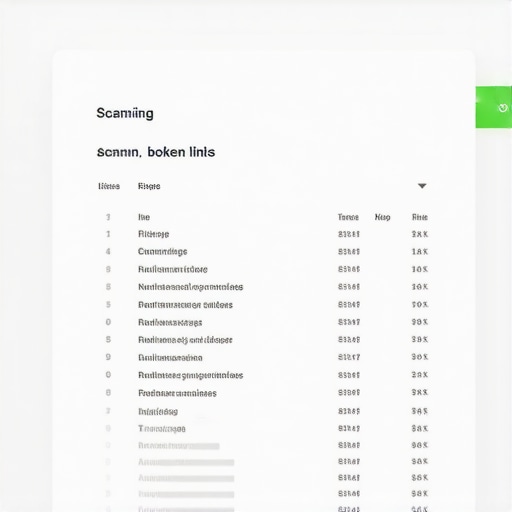
Implement redirects efficiently by mapping old URLs to their new counterparts, ensuring seamless user experience and SEO maintenance. This process resembles routing traffic from a closed bridge to an open Detour, keeping everything flowing smoothly without dead ends.
Verify Fixes and Continuously Monitor
After implementing redirects and updating links, re-crawl your site to confirm all issues are resolved. Use Webmaster Tools to identify any lingering errors. Make this audit part of your regular maintenance routine — think of it as taking your website’s health check-up. When I established a quarterly review system, I caught new broken links early, preventing SEO setbacks. Remember, fixing broken links isn’t a one-time task but an ongoing process to keep your site robust and trustworthy.
Leverage Internal Linking for SEO Boost
With your broken links fixed, enhance your internal link structure to distribute link equity effectively. Use descriptive anchor text that signals content relevance, helping search engines understand your site hierarchy. For instance, linking to your “Web Design Trends 2025” page with anchor text like “latest web design innovations” boosts its ranking for relevant queries. Strengthening your internal link network enhances crawlability and user navigation — akin to designing a logical roadmap that invites visitors to explore deeper.
For comprehensive strategies on technical SEO, consider exploring our guide on mastering technical SEO in 2025.
While many focus on the basics of SEO, branding, web design, and PPC, true mastery involves understanding subtle nuances that can make or break your strategy. A common misconception is that optimizing for search engines is solely about keyword stuffing and backlinks; however, emerging research indicates that user experience signals, like dwell time and interaction metrics, are now more influential than ever, as highlighted by Google’s Search Advocate John Mueller. Overlooking these factors can be a costly mistake, leading to lower rankings despite strong backlinks.
In branding, many believe that a unique logo and catchy slogan are enough to establish authority. But in reality, consistency across all channels and emotional resonance are what truly forge a lasting impression. Neglecting the psychological impact of color psychology or failing to align your messaging with your audience’s values can send mixed signals, reducing trust and engagement. For instance, studies show that brands using cohesive color palettes and clear brand voices outperform inconsistent ones by up to 80% in recognition.
When it comes to web design, the focus is often on aesthetics rather than functionality. Yet, advanced developers recognize that technical aspects like schema markup, site speed, and accessibility are critical for both SEO and user satisfaction. Missing out on schema implementation, such as product reviews or FAQ snippets, can prevent your site from gaining rich results, making your listings less attractive in search results. Additionally, neglecting mobile performance or ignoring core web vitals can severely impact your rankings, as Google prioritizes fast, mobile-friendly experiences.
PPC advertising is frequently misunderstood, with many assuming that increasing bids guarantees conversions. But smart marketers invest in quality score optimization, ad relevance, and landing page experience. Overbidding without strategic alignment often leads to wasted ad spend. Advanced tactics involve leveraging audience segmentation, negative keywords, and ad extensions to improve ROI. Moreover, neglecting attribution modeling can cause misallocation of budget—failing to recognize which channels truly drive conversions.
An advanced mistake to avoid is treating these components in isolation. For example, poor branding can diminish PPC results, and a weak SEO foundation can undermine web design efforts. Integrating your strategies creates a cohesive ecosystem where each component amplifies the others. Practical integration includes ensuring your keyword strategy aligns with your brand message, optimizing landing pages for both SEO and conversions, and maintaining consistent visual identity across channels.
To deepen your understanding, consider exploring advanced technical SEO techniques that go beyond basic practices. Remember, staying ahead requires continuous learning and adaptation.
Have you ever fallen into this trap? Let me know in the comments and share your experiences with these nuanced strategies.
Stay Ahead with Reliable Maintenance Tools
Ensuring your website remains in top shape requires the right set of tools. I personally rely heavily on Screaming Frog for crawling my site; it provides in-depth insights into broken links, duplicate content, and SEO opportunities. Its customizable filters and granular data export options make routine audits manageable—saving time and avoiding potential pitfalls. For performance analysis, Google PageSpeed Insights is invaluable. It not only highlights critical loading issues but also offers actionable recommendations tailored to your site. Regularly scheduled scans with these tools create a proactive shield against unforeseen glitches that can damage your rankings.
Automate Updates and Security Checks
Automation is your best friend in maintenance. I’m a fan of WordPress management plugins like ManageWP, enabling me to schedule backups, plugin updates, and security scans without manual intervention. This consistent upkeep prevents vulnerabilities and keeps your CMS aligned with the latest security standards. Additionally, monitoring tools like Uptime Robot alert you instantly if your site goes offline, allowing for rapid response. Implementing automations like these ensures your website operates smoothly 24/7, and minimizes downtime—crucial for maintaining trust and SEO performance.
Track Long-Term Results and Scaling Opportunities
Consistent monitoring of analytics is fundamental. I use Google Analytics coupled with SEMrush to track traffic trends, user behavior, and keyword performance. This duo provides a comprehensive picture, guiding strategic decisions such as scaling PPC campaigns or refining content. For example, identifying pages with high bounce rates yet strong traffic can reveal opportunities for optimization. As your site grows, leverage tools like Ahrefs to analyze backlink profiles and identify new link-building prospects—crucial for scaling your authority. Remember, ongoing analysis isn’t just about fixing issues; it’s about capturing growth potential before your competitors do.
How do I maintain peak website performance over time?
Regular maintenance routines are vital. Schedule quarterly site audits using Screaming Frog to catch broken links or duplicate content early. Combine this with automated security scans via ManageWP, ensuring vulnerabilities are patched promptly. Keep performance metrics in check with Google PageSpeed Insights, implementing recommended optimizations like image compression or code minification. Continuous keyword and traffic analysis through Google Analytics and SEMrush helps you adapt to evolving trends. Think of it as a health check-up—consistent care keeps your site resilient and competitive in the long run. For future-proofing your web design, consider exploring innovative web design trends for 2025.
Anticipating the Future of Website Maintenance
Emerging technologies like AI-driven site monitoring will revolutionize maintenance by predicting issues before they occur. Platforms integrating machine learning can analyze patterns faster than humans, suggesting preemptive fixes. Staying ahead involves not just tools but also a mindset of continuous learning. Invest in training yourself or your team on evolving best practices and new software innovations. Adopting a proactive approach today positions you to handle future complexities with confidence.
Don’t forget to contact us at Growth Digital Co if you want personalized advice or assistance with streamlining your website maintenance systems. Try implementing automated security scans combined with performance audits—these simple steps can dramatically improve your website’s reliability, freeing your time to focus on growth strategies.
Lessons That Took Me Longer Than They Should Have
- One of the toughest truths I uncovered was that neglecting regular site audits cost me dearly in rankings. I used to believe that once optimized, a website could just run itself, but the truth is, SEO is an ongoing process that demands vigilance and adaptability.
- I learned the hard way that branding isn’t just about colors and logos; it’s about consistency and emotional resonance. Over time, I realized that subtle cues like tone of voice and value propositions make a significant difference in trust-building.
- In web design, I often underestimated how crucial site speed and accessibility are, not just for SEO but for user satisfaction. Implementing schema markup and optimizing images transformed my site’s performance and visibility.
Tools and Resources That Changed My Approach
- Screaming Frog became my go-to for deep-site crawling, helping me discover unnoticed issues that impacted my SEO. Its insights kept me ahead of the curve.
- Google PageSpeed Insights was invaluable for diagnosing speed bottlenecks, guiding me step-by-step towards faster, more efficient pages, directly influencing bounce rates and rankings.
- For comprehensive keyword research, SEMrush opened my eyes to opportunities I hadn’t considered, especially in highly competitive niches, giving me a competitive edge.
- Our own guide on technical SEO secrets has been a cornerstone resource, distilling complex strategies into actionable steps I trust.
Your Next Step—Becoming Unstoppable
Remember, mastering these aspects isn’t about perfection but continuous growth. The real magic happens once you start applying what you’ve learned—small tweaks can lead to big results. Don’t wait for perfect conditions; take that first step today and keep refining your approach. Your website’s future depends on it. If you’re ready to elevate your strategy, reach out via our contact page, and let’s build something exceptional together.