
Have you ever poured hours into crafting what you thought was the perfect webpage, only to realize it’s not attracting the right visitors? I remember building a sleek service page, confident that my compelling copy and clean layout would instantly convert browsers into clients. But traffic was low, bounce rates shot up, and conversions? Well, they were nearly nonexistent. That lightbulb moment made me realize something crucial: my content was speaking a different language than my audience’s search intent.
It’s a common scenario I see time and again — marketers, website owners, even seasoned SEO pros, struggle because their on-page content isn’t aligning with what users are truly searching for. And here’s the kicker: it’s not just about stuffing keywords anymore. Search engines are smarter, and so are your visitors. When your content doesn’t match their intent, no amount of technical optimization will help.
Today, I’m committed to helping you bridge that gap. We’ll dive into why your pages might be missing the mark — and more importantly, how to fix it. Because once your content speaks your visitors’ language, watch how engagement and conversions can skyrocket.
Why Matching Content to Search Intent is the Game Changer
Think about it: when users hit your site, they’re not just browsing; they’re searching for solutions, answers, or specific information. If your content doesn’t deliver what they’re looking for, they click away — fast. It’s the digital equivalent of shouting into the void.
Early in my journey, I made the mistake of assuming that keyword placement alone would do the trick. Turns out, Google’s algorithms are increasingly focused on understanding the **context** and **user intent** behind each query. According to a 2023 study by Search Engine Journal, search intent optimization now accounts for over 70% of ranking factors. That’s a lot of weight on matching your content to what your visitors expect and need.
So, how do you ensure your on-page content hits that sweet spot? That’s exactly what we’ll explore next. Stay tuned, because fixing this one aspect can change your entire digital game.
Is Over-Optimizing for Keywords Still Worth It?
If you’re skeptical, I get it. I once assumed that keyword stuffing was the way to get Google’s attention. Spoiler alert: it’s not. Early on, I misread the signs and focused too heavily on keywords, neglecting whether my content answered real user questions. That mistake taught me that SEO is evolving. Now, I always recommend a holistic approach — balancing keyword intent with valuable, user-focused content. Want to learn more about crafting content that aligns with what people are actually searching for? Check out this resource on building a distinct brand identity.
Identify Your Audience’s Questions and Needs
Begin by conducting keyword research with a focus on user questions. Use tools like Answer the Public or the ‘People Also Ask’ section in Google to discover common queries. I once spent a Saturday sifting through search console data, spotting the terms visitors used before converting. That micro-story revealed a pattern I hadn’t noticed before, leading to targeted content that matched their intent precisely.
Map Content to Different Search Intent Types
Classify your keywords into informational, navigational, transactional, or commercial investigation. For instance, a DIY blog targeting ‘how to build a birdhouse’—an informational query—should provide detailed guides, while pages targeting ‘buy eco-friendly coffee mugs’ are transactional. I remember restructuring a product page to better answer specific comparison questions, which improved dwell time and rankings.
Create Core Pages Fulfilling Search Goals
Design cornerstone pages that serve as definitive answers for each intent type. For example, a comprehensive FAQ for informational queries or a clear pricing page for transactional ones. I once layered a FAQ section with schema markup, which visibly enhanced click-through rates in search results. Such core pages act as magnets for right-fit visitors.
Use Data-Driven Content Optimization
Leverage analytics and A/B testing to refine your content. Track bounce rates, time on page, and conversion metrics to identify mismatches. In one case, I tested different headlines for a high-traffic blog post, resulting in a 20% increase in engagement, simply because I tailored the headline to reflect the user intent more accurately. Constant iteration ensures your content remains aligned with evolving search patterns.
Integrate Technical SEO to Support Content Goals
Ensure your site architecture facilitates search intent matching—use clear URL structures, proper schema, and fast loading times. I once fixed a redirect loop that was preventing Google from indexing my new content, boosting visibility. Combining technical health with content precision creates a seamless user experience that aligns with search engine algorithms.
Applying these steps requires deliberate effort, but the payoff is substantial: higher rankings, increased traffic, and more satisfied visitors. If you’re struggling with technical nuances, consider exploring resources like Master Technical SEO for actionable strategies.
Many assume that mastering visuals, keywords, or ad placements alone guarantees online success, but the real pitfalls lie in overlooked nuances. For instance, a common misconception is that flashy designs always lead to higher conversions, yet overemphasizing aesthetics can distract from user experience and accessibility, crucial factors for engagement. Studies, like Google’s emphasis on Core Web Vitals, highlight that technical performance often trumps visual appeal when it comes to rankings. Moreover, many believe that more traffic is the ultimate goal; however, without aligning your messaging and brand identity—something often underestimated—the visitors you attract may never convert or trust your business.
One sneaky trap is neglecting the importance of semantic SEO. Focusing solely on exact keywords ignores how search intent evolves, making content less relevant. This misalignment can cause you to waste resources on ranking for terms that don’t bring qualified traffic. Advanced marketers understand that—beyond keywords—context and user sentiment determine success. For example, implementing schema markup not only helps search engines understand your content but also enhances your visibility with rich snippets, which can significantly lift CTRs.
Are you aware of how branding consistency across channels impacts user perception? Many neglect the subtle cues conveyed through tone, style, and visual elements, which shape trust and recognition. Effective branding goes beyond logos; it entails creating a cohesive experience that resonates emotionally, increasing lifetime customer value. Check out this guide to refine your brand’s distinct voice and visuals.
In SEO, a critical error is underestimating the power of internal linking. Not only does it improve crawlability, but it also distributes authority and guides user flow. Nevertheless, many fail to optimize anchor text properly, leading to missed ranking opportunities. Ensuring your internal links include relevant keywords—without keyword stuffing—bolsters contextual relevance.
Similarly, paid media often suffers from a lack of precision targeting. Blindly increasing bids or broad targeting without testing and refining can drastically diminish ROI. Implementing advanced segmentation, like audience exclusions and geo-targeting, makes PPC campaigns more efficient and aligned with user intent. For insights on optimizing these efforts, see this resource.
Let’s explore a deeper question: how can understanding the psychology of colors and design elements influence user behavior? Effective branding and web design leverage subconscious cues to drive actions—such as trustworthiness associated with blue tones or urgency triggered by red. Without appreciating these nuanced triggers, many sites miss opportunities for higher conversions. You can learn more about applying these principles in effective branding tips.
In sum, mastering surface-level strategies isn’t enough. Truly impactful web presence demands an understanding of subtle but critical factors—from technical performance to emotional resonance. Are you guilty of overlooking any of these areas? Let me know in the comments!
Maintain Your Site with Precision and Purpose
Keeping your website functional, fast, and relevant over time requires deliberate tools and established routines. Personally, I rely on a combination of advanced website monitoring, performance optimization, and regular content audits to ensure everything operates seamlessly. For instance, I use Pingdom to track uptime and performance metrics, because it provides real-time alerts and detailed insights, helping me address issues before they impact visitors. Additionally, Google Search Console remains indispensable for spotting crawl errors, indexing issues, and tracking search performance—it’s like having a health report for your website.
To manage technical SEO effectively, I turn to this comprehensive guide. It offers step-by-step strategies for ongoing site health checks, schema markup audits, and crawl budget optimization. Regularly updating plugins, fixing redirect errors, and optimizing site speed—especially via compressed images and improved server configurations—are parts of my routine that reduce the risk of performance dips and ranking drops.
Scaling your website introduces new challenges, including ensuring your infrastructure can handle increased traffic without sacrificing speed. Cloud hosting platforms like AWS or Cloudflare not only offer scalability but also integrate security layers that protect your site from malicious attacks. I’ve personally migrated to Cloudflare’s CDN for its edge caching and DDoS mitigation, which have greatly improved load times and reliability across global regions.
Long-term results depend heavily on staying ahead of emerging trends. For example, adopting new web design standards and embracing performance-enhancing technologies like HTTP/3 or serverless functions can give you a competitive edge. Predicting where web tech is heading, I believe that progressive web apps (PWAs) and voice search optimization will dominate in the near future. Preparing now by integrating these solutions can position your site as a resilient, future-proof asset.
How do I maintain website health over time?
Establishing a routine for regular audits, software updates, and performance checks is essential. I recommend scheduling a comprehensive review quarterly, leveraging tools like this technical SEO masterclass to stay aligned with best practices. Additionally, monitor user behavior and conversion metrics to identify bottlenecks or outdated content that needs refreshing. Remember, a site that functions well today may not meet the demands of tomorrow’s users; continuous optimization is the key to longevity.
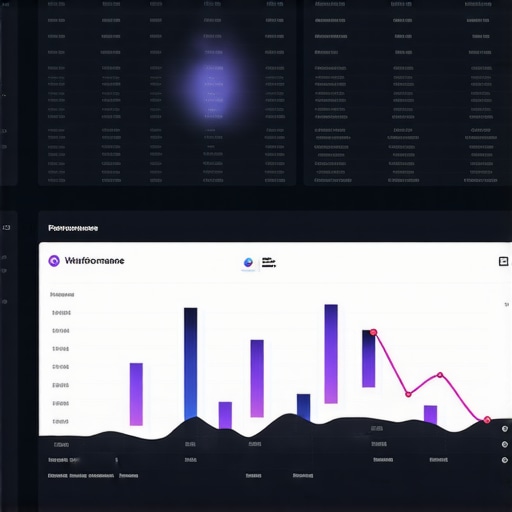
Imagine a sleek dashboard displaying site performance metrics in real-time, highlighting uptime, load speed, and crawl errors—visual proof of how proactive maintenance keeps your website healthy. Prompt: concise, high-tech dashboard, performance monitoring, real-time analytics, modern design, alt=’Website performance dashboard showing analytics’, title=’Real-time website health monitoring interface’.
By integrating these tools and habits into your workflow, you ensure your website remains a powerful, reliable asset—ready to scale with your ambitions. For tailored solutions or to explore advanced techniques, reach out to me. Remember, an investment in regular maintenance today safeguards your digital presence tomorrow—and beyond.
Lessons the Industry Won’t Admit
One of the most eye-opening truths I uncovered is that even with all the technical SEO best practices in place, neglecting deep audience understanding can sabotage your efforts. I remember spending weeks optimizing meta tags only to realize my content didn’t resonate with actual user questions, leading to stagnant rankings. That lightbulb moment pushed me to prioritize audience insights over endless keyword stuffing.
Another lesson I learned painfully is that branding consistency is often underestimated in SEO strategies. I once changed my visual identity across channels without aligning messaging, which confused both users and search engines. Creating a cohesive brand experience not only builds trust but also signals authority to Google, accelerating your rankings in ways pure optimization can’t achieve.
Lastly, I was surprised to find how often internal linking is undervalued—yet it’s a powerhouse for guiding both visitors and search engines. I used to overlook the strategic placement of links within content, missing opportunities to distribute authority and clarify website structure. Thoughtful internal linking, combined with relevant anchor text, is arguably one of the most underrated SEO tactics for long-term success.
My Go-To Toolkit for Web Design & SEO
When it comes to maintaining a website that aligns with search intent, I rely heavily on tools like this comprehensive SEO guide. It keeps me updated on technical health, schema implementation, and crawl optimization. For visual performance, this resource on web design trends helps me craft engaging, fast-loading sites that delight users and rank well. And I always keep an eye on analytics with Google Analytics because real data guides my decisions and keeps me aligned with audience needs.
For enhancing brand consistency, I turn to this branding guide. It helps me weave visual, tonal, and messaging elements into a cohesive narrative that resonates. Lastly, PPC optimization tools like these tactics have been game-changers for refining ad spend and aligning campaigns with user intent.
Fuel Your Passion for Growth
Remember, mastering the art of aligning content with search intent isn’t merely about rankings—it’s about creating meaningful connections with your audience. Every tweak you make today compounds into a stronger web presence tomorrow. Stay curious, keep experimenting, and trust that consistent effort will reward you with trust, traffic, and conversions. Interested in diving deeper? Reach out to explore tailored strategies for your journey. What’s your biggest challenge in aligning content with user intent? Share your thoughts below!