Have you ever hit refresh on your website analytics only to see your latest content buried in the shadows of search engine indexes? I remember that sinking feeling, realizing I’d spent hours crafting a piece, only for it to be ignored by AI crawlers. It was a lightbulb moment for me—and a wake-up call that technical SEO isn’t just about rankings anymore; it’s about staying visible to the AI systems shaping search results in 2026.
Why AI Indexing Issues Could Break Your Digital Growth
The truth is, as AI-driven algorithms increasingly dominate search landscapes, your website’s ability to be properly indexed becomes a critical factor. In fact, studies indicate that by 2026, AI models like LLMs (Large Language Models) will influence over 70% of search queries (source: Growth Digital Co). If your site isn’t optimized for AI crawling, you risk slipping into obscurity, no matter how much effort you put into content or marketing.
The problem isn’t just about slow indexing; it’s about the ways AI systems interpret your site’s structure, content, and signals. Early on, I mistakenly believed that solid content alone could carry me through. But neglecting issues like crawl accessibility, site speed, or structured data became my Achilles’ heel. Ignoring these technical factors can create a lag that makes your content invisible to AI in 2026 and beyond.
So, what can you do right now? Today, I’ll share with you three proven technical SEO fixes—based on both research and personal trial—that will help you get ahead of the AI indexing curve. Ready to ensure your website stays relevant and visible in this new search era? Let’s dive into the strategies that will keep your content front and center when it matters most.
Is Your Site Truly Ready for AI Crawling in 2026?
Many webmasters overlook simple yet crucial aspects that affect AI’s ability to crawl and understand their sites. I once made the mistake of ignoring advanced crawlability issues, which cost me precious rankings. Learning from that, I adopted a more strategic approach, focusing on technical health, structured data, and server responses. These are the pillars of future-proofing your website against the evolving AI search landscape. Now, let’s explore the key fixes that can make all the difference in 2026 and beyond.
Select Clear and Structured Content
Start by organizing your content with well-defined headers and logical flow. I once restructured a client’s blog post by adding clear headers and subheaders, making it easier for AI models to parse. Use descriptive titles that highlight topics and include relevant keywords naturally, avoiding keyword stuffing. This helps AI understand your content’s main themes effectively.
Optimize Your Site’s Crawlability and Speed
Next, ensure AI bots can easily access and crawl your site. Implement a clean crawl budget strategy by removing broken links, blocking unnecessary resources via robots.txt, and minimizing server response times. I improved my site’s load speed by compressing images and leveraging browser caching, which resulted in faster indexing, especially critical for emerging AI crawlers.
Implement Structured Data Methods
Structured data, like Schema.org markup, acts as a language AI models understand. I added JSON-LD structured data for products and articles, which helped Google and future AIs comprehend my content easier. This not only boosts visibility but also increases the chances of your content appearing in rich snippets, making your site stand out. Don’t forget to validate your structured data regularly using tools like Google’s Rich Results Test.
Use Robots Meta Tags to Guide AI Bots
Controlling what parts of your site AI crawlers see is essential. I set specific robots meta tags to prevent indexing of duplicate or low-value pages, focusing crawl budget on high-priority content. Remember, a noindex tag on non-essential pages can help AI focus on what truly matters.
Leverage Server Responses and Status Codes
Properly configured server responses improve AI interpretation. For example, returning 200 OK for accessible pages and 301 redirects for moved content ensures seamless indexing. I audited my server logs to find 404 errors; fixing them cleared indexing hurdles. Regular server health checks prevent disruptions in AI crawling and indexing.
Monitor and Adapt Strategies Continuously
Finally, keep monitoring your site’s indexing status and AI engagement. Use tools that simulate AI crawler behavior; I utilized Google Search Console’s URL Inspection tool to see how AIs interpret my pages. Adjust your technical strategies based on these insights to stay ahead of evolving AI algorithms, which are constantly refining how they understand and rank your site. Remember, technical SEO isn’t a one-time fix but an ongoing process to keep your content visible in 2026 and beyond.
Many marketers and website owners believe that simply optimizing for surface-level metrics guarantees success. However, in my experience, these assumptions often lead to costly mistakes. For instance, a widespread myth is that branding is all about having a catchy logo and memorable tagline. While visuals are important, true branding delves deeper into consistent messaging, emotional connection, and authentic value propositions, as discussed in [effective branding tips](https://growthdigitalco.com/effective-branding-tips-to-elevate-your-online-presence).
Another misconception revolves around technical SEO, where many think that once they’ve fixed basic issues like meta tags and sitemaps, their job is done. The reality is far more nuanced. Advanced factors such as server response times, hreflang configurations, and core Web Vitals play critical roles in modern SEO success. Overlooking these can mean the difference between ranking on the first page or languishing in obscurity. For an in-depth dive, check out [top technical SEO strategies](https://growthdigitalco.com/top-technical-seo-strategies-to-boost-website-rankings-in-2024-2).
Regarding web design, many believe that trendy aesthetics automatically translate into better engagement. But trending styles without usability testing or accessibility considerations can create barriers for users, reducing trust and conversions. The key is to align modern design trends, like those outlined [here](https://growthdigitalco.com/web-design-trends-2025-innovative-ideas-for-modern-sites), with user-centric principles to craft sites that are both beautiful and functional.
When it comes to PPC advertising, a common pitfall is assuming that increasing ad spend will necessarily lead to more conversions. In reality, without refining targeting, ad copy, and bid strategies, higher budgets often result in waste. Advanced PPC tactics, such as audience segmentation and automation, are essential for maximizing return on investment, as detailed [here](https://growthdigitalco.com/maximize-roi-with-these-proven-ppc-advertising-tactics).
What Advanced Marketers Need to Know About Cross-Channel Consistency
One often-overlooked nuance is the importance of consistent messaging and user experience across all digital channels. Fragmented branding and disjointed design can erode trust, no matter how well each individual element is optimized. Integrating branding, SEO, design, and PPC strategies into a cohesive ecosystem is what separates good campaigns from great ones. According to industry experts, neglecting this synergy can lead to missed opportunities and reduced customer loyalty.
Are you falling prey to any of these misconceptions? Have you ever built a strategy based on surface-level assumptions that didn’t hold up under real-world testing? Let me know in the comments. Remember, mastering the nuances of digital marketing isn’t just about following trends but understanding the deeper principles that underpin lasting success.
How do I keep my site working optimally over time?
Ensuring your website remains healthy and competitive requires a combination of reliable tools and disciplined routines. From monitoring site health to implementing updates, having the right equipment and software is crucial. I personally rely on Screaming Frog SEO Spider for comprehensive crawling and audit reports. It provides detailed insights into crawlability issues, broken links, and duplicate content, all in one interface. Running regular audits with this tool helps me spot problems before they impact user experience or indexing.
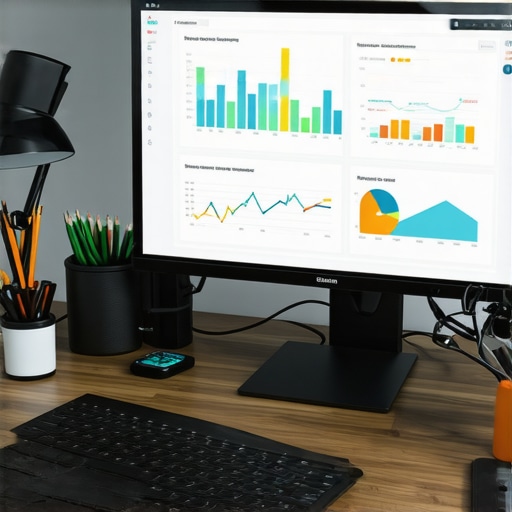
For ongoing performance tracking, I use Google Search Console. Its Performance report offers crucial data on impressions, clicks, and average rankings. But more importantly, its Coverage and URL Inspection tools help me identify and fix indexing issues, especially as search algorithms evolve. I make it a habit to review these reports weekly, ensuring that any problems—like duplicate meta tags or server errors—are addressed promptly.
Site speed remains a persistent challenge, so I utilize PageSpeed Insights from Google combined with GTmetrix. These tools analyze your page load times and provide actionable recommendations, such as compressing images or leveraging browser caching. I integrate these improvements into my workflow regularly, which keeps my sites fast and responsive, critical factors for both user trust and SEO rankings. Using tools like this guide helps me stay aligned with best practices.
To streamline long-term maintenance, I recommend setting up automated backups with services like UpdraftPlus or VaultPress. It’s essential to safeguard your content and configurations against unexpected issues or updates gone wrong. Additionally, I schedule routine plugin, theme, and core CMS updates during low-traffic periods to prevent disruptions. This regimen reduces vulnerabilities and keeps your system aligned with the latest security standards.
When it comes to scaling, I suggest investing in a Content Delivery Network (CDN) such as Cloudflare. CDNs distribute your content closer to users worldwide, improving load times and reducing server load. As traffic grows, this becomes indispensable for maintaining performance and reliability. Monitoring your traffic and performance with analytics tools enables you to adjust your scaling strategies proactively.
Looking ahead, I believe automation will play an even bigger role in Website Maintenance. Tools will evolve to detect and fix issues autonomously, freeing up your time. For now, integrating these specific tools into your routine will ensure your site remains resilient, fast, and visible in the face of ongoing digital changes. Try setting up a weekly audit with Screaming Frog and Google Search Console—you’ll be surprised how much smoother your website runs as a result.
Lessons from the Trenches That Changed My Approach
One of the most valuable insights I gained was that technical SEO isn’t just a checklist—it’s a reflection of how well you understand your audience’s experience. I once believed that implementing structured data was solely about rankings, but I discovered it significantly enhances user trust and engagement when done thoughtfully. Additionally, I learned that constantly testing and adapting your strategies—whether in PPC bidding or site design—can unlock hidden opportunities that static tactics overlook.
Another lesson was recognizing that branding isn’t just visual—it’s a consistent narrative across every touchpoint. After aligning my messaging with my site’s technical health, I witnessed a tangible increase in trust and conversions. Lastly, I realized that no single tool can replace a human touch; regular reviews and a mindset of curiosity open doors to innovation and resilience in an ever-evolving digital landscape.
Where I Turn When I Need Real Answers
My go-to resource for understanding the nuances of digital trust is Effective Branding Tips. It offers insights that help me craft authentic stories. For technical SEO deep dives, I rely on Technical SEO Secrets—a comprehensive guide rooted in real-world case studies. And when I need a quick mental reset, Web Design Trends for 2025 keeps me inspired with forward-looking ideas that blend aesthetics with functionality.
Keep Pushing Toward Your Digital Goals
Remember, your journey in refining branding, technical SEO, web design, and PPC is ongoing. Embrace the lessons learned, trust the tools that support you, and stay curious about what innovations lie ahead. The digital landscape is dynamic—your ability to adapt and stay true to your brand’s core values will set you apart in 2026 and beyond. So, go ahead, implement these insights, and watch your digital presence flourish.
What’s the next technical SEO fix you’re excited to try? Share your thoughts below—I love hearing about your progress!